Toyota Is Offering Deals On These Models In The US
Shopping for a Toyota in the US can seem easy until the fine print arrives with financing terms, lease mileage caps, dealer fees, and shifting local inventory. That is why deal-focused research has real value. A low APR on a Camry, a lease special on a RAV4, or a cash incentive on a Tundra can reshape the long-term price more than many buyers expect. This article highlights the popular Toyota models most often linked with appealing promotions and shows how to judge whether an offer is genuinely useful.
Article Outline and How Toyota Deals Usually Work
Before looking at specific vehicles, it helps to map the road ahead. Toyota’s deals in the US are rarely one-size-fits-all. They tend to arrive in a few familiar forms: promotional financing, lease offers, customer cash, regional dealer discounts, and occasionally special programs for recent graduates, military buyers, or loyal customers returning to the brand. In practice, that means the “best” deal depends less on the headline and more on the buyer’s situation. A commuter planning to keep a car for eight years may benefit most from low APR financing, while someone who wants predictable monthly payments and changes vehicles often may find a lease more attractive.
This article follows a simple outline so readers can move from broad understanding to specific choices without getting lost in the showroom fog. Here is the structure at a glance:
- How Toyota incentives are typically structured in the US market
- Which sedan and hybrid models often attract competitive promotions
- Which SUVs draw the most shopper attention and how deals differ by size
- How truck and adventure-focused Toyota models fit into the value picture
- How to compare offers across regions and choose the deal that truly suits your budget
Toyota’s popularity matters here. Models such as the Corolla, Camry, RAV4, Tacoma, Highlander, Tundra, and Prius have broad name recognition, strong resale reputations, and huge buyer interest. That combination can affect promotions in two opposite ways. On one hand, high-volume vehicles may receive frequent advertised specials because they are central to dealership traffic. On the other hand, very high demand can reduce the depth of discounts when inventory is tight. A model can be popular enough to appear in every ad and still not be heavily discounted if dealers know buyers are already lining up.
Another important factor is geography. Urban markets with dense dealer competition may show sharper advertised prices, while suburban or rural regions may lean more on financing offers rather than dramatic markdowns. Seasonal timing also plays a role. Holiday weekends, end-of-quarter pushes, model-year transitions, and inventory clear-outs often create the most visible promotions. Think of the market like a tide rather than a fixed price board: it rises and falls with supply, local rivalry, and buyer demand. Understanding that rhythm is the first step toward identifying a real Toyota bargain instead of simply admiring a bright banner on a dealership website.
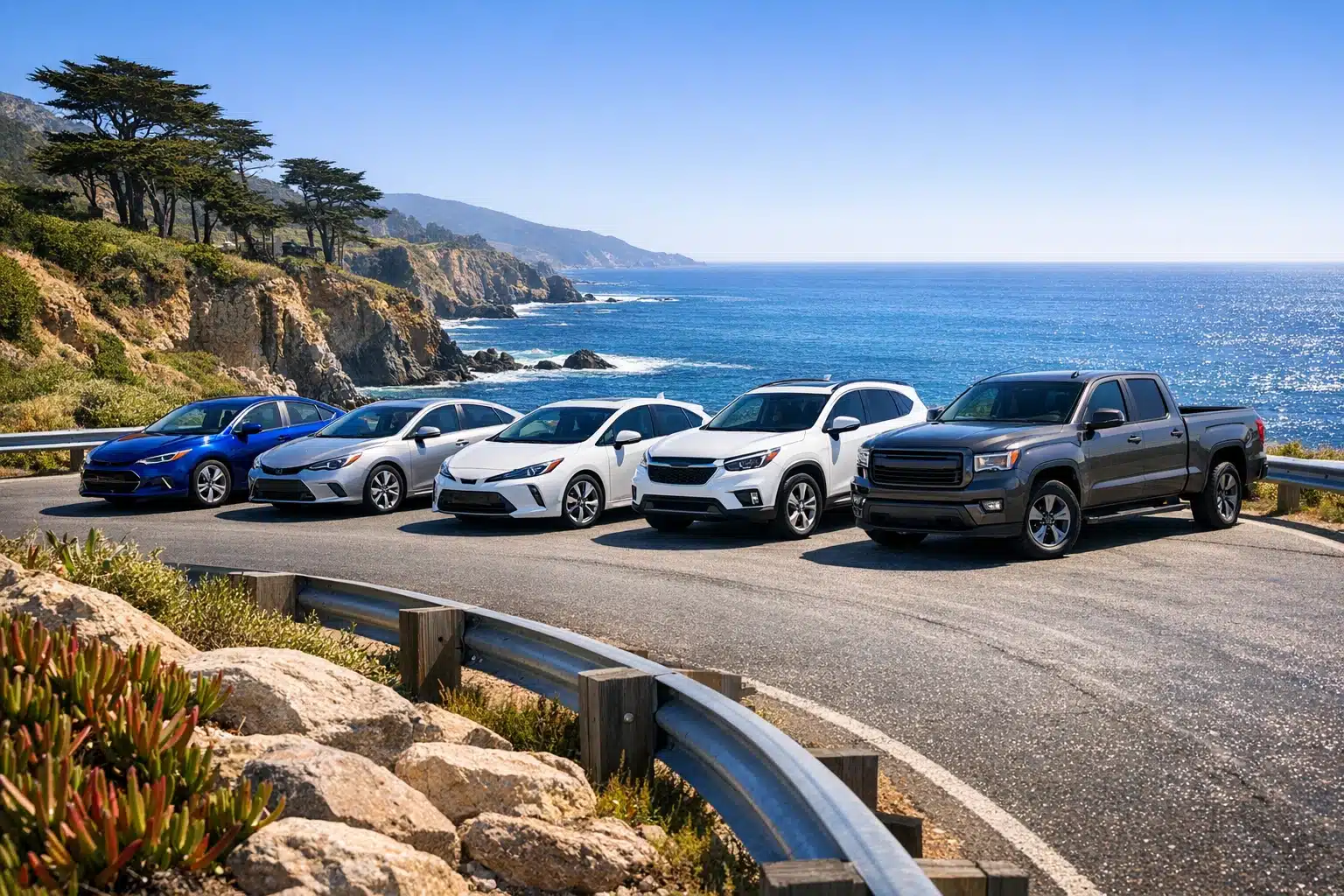
Best Toyota Deals on Sedans and Hybrids: Corolla, Camry, and Prius
For many Americans, the center of the Toyota universe is still the dependable daily driver. The Corolla and Camry remain two of the brand’s most recognizable cars, and the Prius continues to hold a special place among fuel-conscious buyers. These models are popular for good reason: they blend practicality, comfort, and strong brand trust. When Toyota or its dealer network wants to attract mainstream shoppers, these are often the cars that receive the most attention in advertisements.
The Corolla is usually the entry point. It often appeals to first-time buyers, students finishing school, downsizers, and households that want a second vehicle with reasonable running costs. Because it sits at the more affordable end of Toyota’s lineup, even modest incentives can feel meaningful. A lower interest rate can trim monthly payments without pushing the price of the vehicle itself too high, and lease offers on the Corolla can be attractive when dealers want to keep volume moving. Buyers should still read carefully, though. A tempting monthly number may assume a large down payment or a limited annual mileage allowance.
The Camry occupies a slightly different lane. It targets drivers who want more cabin space, stronger highway comfort, and in many trims a more upscale feel. Deal structures on the Camry can be especially interesting because the model appeals to both budget-minded shoppers and people cross-shopping near-premium midsize sedans. In some markets, the Camry can present one of Toyota’s best value equations: more car than the Corolla, but sometimes with financing terms that narrow the monthly payment gap. That is why comparing total cost, not just sticker price, is essential.
The Prius deserves separate attention because hybrid demand changes the math. Fuel savings are part of the appeal, but so are changing consumer habits and interest in lower running costs over time. When the Prius appears in promotions, those offers can draw strong attention quickly, especially in areas where gas prices tend to run higher. A buyer comparing a regular gasoline sedan and a Prius should think beyond the monthly payment and consider:
- Estimated fuel cost over three to five years
- Insurance differences between trims
- Whether the financing rate offsets a smaller discount
- Expected resale value and ownership horizon
In broad terms, shoppers who want the safest bet for affordability often start with the Corolla, those wanting comfort and balance move toward the Camry, and efficiency-focused buyers keep an eye on Prius promotions. Each can be a strong deal, but only when the numbers match the way the vehicle will actually be used. That is where the real savings begin to speak.
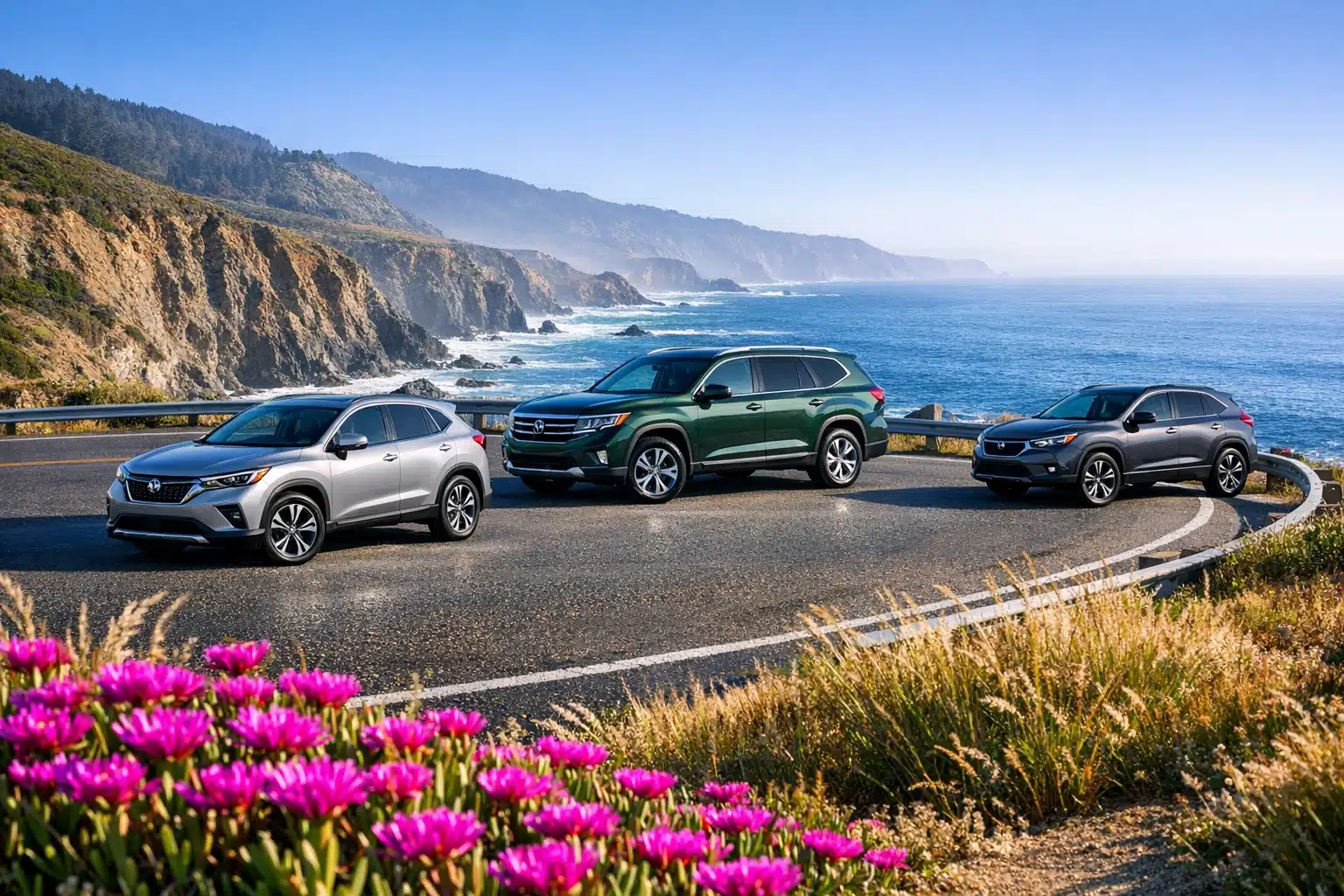
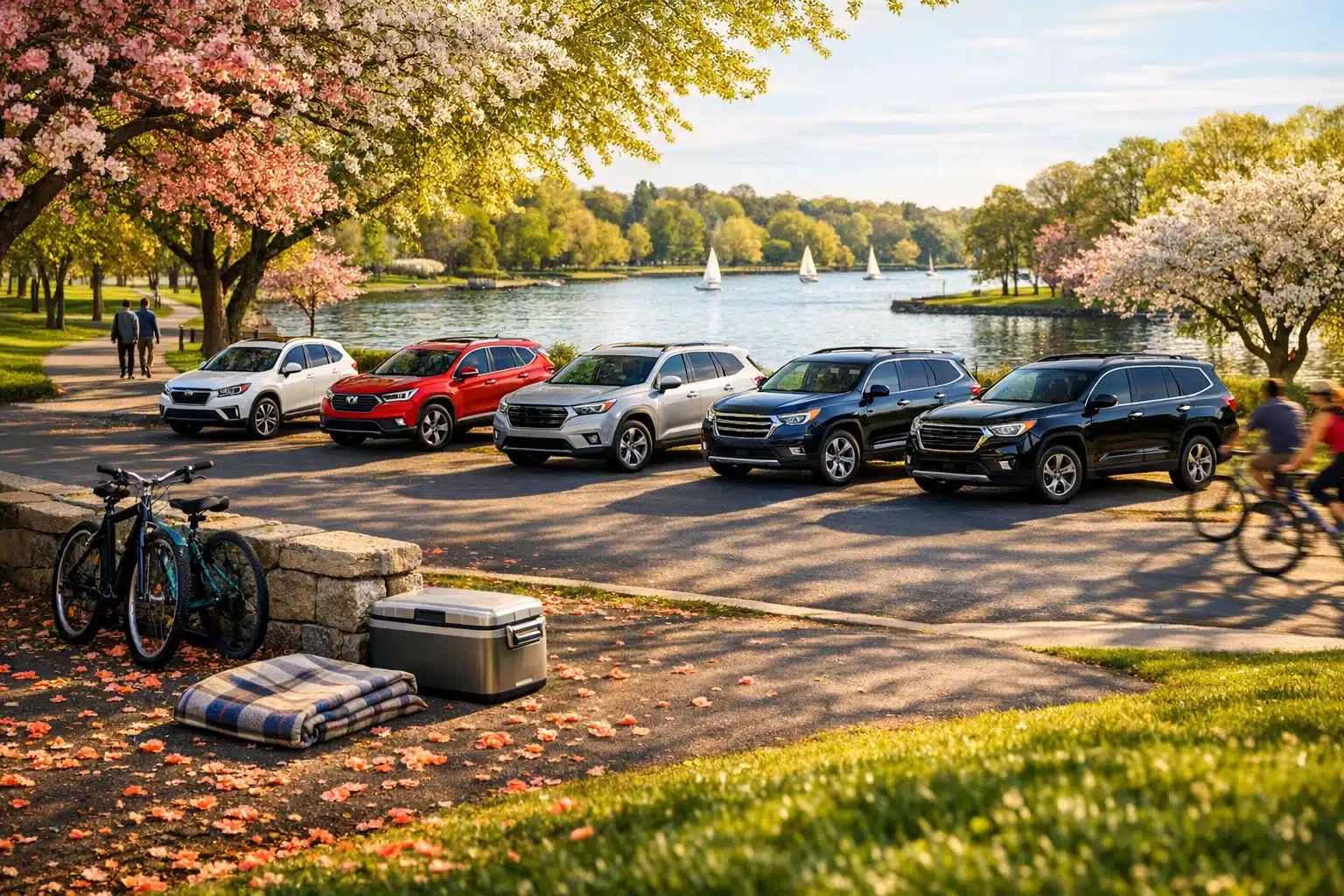
Popular Toyota SUV Deals Across America: RAV4, Highlander, and Grand Highlander
If sedans are the steady heartbeat of Toyota, SUVs are the full orchestra. Across America, buyers continue to gravitate toward vehicles that offer a commanding seating position, flexible cargo space, and room for family routines that seem to multiply overnight. Toyota’s most popular names in this space include the RAV4 and Highlander, with the Grand Highlander adding another option for shoppers who need more space without leaping into a full-size truck-based SUV.
The RAV4 is often the headline act. It sits in one of the most competitive segments in the US market, which makes it a natural candidate for visible promotions. Dealers know the RAV4 brings web traffic, walk-in interest, and a long list of cross-shoppers comparing it to rivals from Honda, Subaru, Hyundai, Kia, Ford, and others. In practical terms, that competition can help consumers. A dealership may not always slash the price dramatically, especially on well-equipped trims or hybrids, but financing offers, lease support, or dealer-installed package discounts can improve the overall value. For many households, the RAV4 is the sweet spot: not too large for city life, not too small for weekends away.
The Highlander targets families who want more passenger room and a stronger road-trip personality. Deals on the Highlander can be less aggressive than on smaller models when demand is healthy, yet promotions still appear because the three-row segment is packed with alternatives. Buyers frequently compare it against other midsize family SUVs, so Toyota stores often use financing specials or model-specific lease terms to stay competitive. The Highlander becomes especially compelling when a buyer values reliability and resale enough to keep the vehicle for many years. In that case, a lower APR may matter more than a small upfront discount.
The Grand Highlander broadens the conversation. It appeals to shoppers who found the Highlander usable but a little tight in the third row or cargo area. Because larger family SUVs attract buyers with very practical needs, pricing sensitivity can be intense. People are not simply shopping for style; they are solving a space problem. When a deal appears on the Grand Highlander, it deserves close attention, especially if the alternative is moving into a pricier category entirely.
When evaluating Toyota SUV promotions, buyers should compare more than one figure:
- Monthly payment versus total financed amount
- Lease mileage limits versus actual driving habits
- Fuel economy differences between gas and hybrid versions
- Third-row usefulness rather than mere availability
- Dealer fees, accessories, and destination charges
In simple terms, the RAV4 usually wins for versatility, the Highlander for family balance, and the Grand Highlander for bigger household demands. The best deal is the one that matches space, budget, and ownership plans without making you pay for room you will rarely use.
Toyota Truck and Adventure Model Deals: Tacoma, Tundra, and 4Runner
Toyota’s truck and adventure models occupy a different emotional territory. These vehicles are not just transportation for many buyers; they are tools, weekend partners, and in some cases a quiet declaration that spreadsheets do not get the final word. The Tacoma, Tundra, and 4Runner continue to attract loyal followings across the US, but deals on them often behave differently from promotions on sedans and crossovers.
The Tacoma is one of Toyota’s best-known nameplates in America, especially among buyers who want midsize truck utility without moving into a full-size footprint. Its popularity can work against deep discounting because strong demand supports pricing. Still, that does not mean meaningful offers never appear. Instead of large cash reductions, Tacoma promotions may lean toward financing specials, lease programs on selected trims, or dealer incentives tied to outgoing model-year stock. Buyers should look closely at trim differences because off-road-oriented versions often hold value strongly and may see less flexibility than work-focused configurations.
The Tundra enters a more competitive battlefield. Full-size truck shoppers tend to compare payload, towing, cabin space, powertrain refinement, technology, and long-term durability in one complicated sweep. Because the segment is intensely contested, Tundra deals can become especially interesting when Toyota wants to strengthen its position against domestic rivals. In some circumstances, a buyer may find that the Tundra’s financing support narrows the effective price gap versus another truck with a bigger sticker discount but a higher loan rate. That is where surface impressions can be misleading.
The 4Runner is a category of its own. It appeals to drivers who value durability, a tough image, and genuine SUV character. While it may not always post the sharpest advertised promotions, it remains highly visible in shopping conversations because its buyer base tends to be intentional and informed. Someone considering a 4Runner is often willing to pay for capability and longevity, but a carefully timed dealer offer can still improve the equation. A lower finance rate or a favorable trade-in boost can matter more than a flashy rebate.
Here are a few questions worth asking when comparing Toyota truck and adventure-model deals:
- Is the offer attached only to certain trims or inventory in stock?
- Does the financing term stretch so long that the lower payment becomes less appealing overall?
- Are accessories included at fair value, or simply bundled to inflate the price?
- Will the vehicle be used for towing, commuting, off-roading, or all three?
These models often reward patient shopping. Trucks and rugged SUVs can be like heavy boots on a store shelf: not always cheap, but the right pair can outlast several trendy alternatives. A smart deal is less about chasing the lowest ad and more about matching the machine to the job it will actually do.
How to Compare Toyota Deals and Choose the Right Model for Your Budget
The final step is where many shoppers either save money with clear-eyed discipline or lose it in a haze of excitement, paperwork, and showroom coffee. Toyota deals across America can look similar on the surface, yet produce very different outcomes once taxes, loan length, trade-in value, optional products, and insurance costs enter the frame. That is why the smartest approach is to compare offers using a consistent method rather than chasing whichever advertisement feels loudest.
Start with your use case. A commuter covering predictable miles may prioritize fuel economy and low financing on a Corolla or Prius. A family with child seats, sports gear, and long holiday drives may lean toward a RAV4, Highlander, or Grand Highlander. A contractor, outdoor enthusiast, or buyer needing towing capability may naturally focus on Tacoma or Tundra offers. Once you know the role the vehicle must play, the deal becomes easier to judge.
Next, compare the full cost of ownership instead of a single number. A low monthly payment can hide a long term, a large upfront payment, or a lease structure that does not fit your driving habits. A cash rebate may sound generous until you realize you gave up a much better interest rate. Use a simple checklist:
- Vehicle price after discounts
- APR and total finance charge
- Lease down payment, monthly payment, and mileage allowance
- Estimated fuel expense for your real driving pattern
- Insurance and registration costs
- Trade-in value and any dealer fees
It also helps to compare offers from several dealers within a practical radius. In many metro areas, stores compete hard for volume, especially near month-end or holiday sales events. A buyer who requests written quotes can often spot where one dealer is more generous on financing while another is stronger on price. Neither is automatically better; the stronger offer is the one with the lower all-in cost for your situation.
Finally, keep your expectations grounded. Toyota’s popularity means great value does not always arrive as dramatic markdowns. Sometimes the best deal is a fair price on a high-demand model with favorable financing and solid resale prospects. For the target audience of everyday US shoppers, that is the key takeaway: focus on useful value, not theatrical savings. If you want a dependable sedan, watch the Corolla, Camry, and Prius. If your life revolves around family flexibility, study the RAV4 and Highlander range. If work or adventure shapes your purchase, compare Tacoma, Tundra, and 4Runner offers patiently. The right Toyota deal is the one that fits your budget today without becoming a burden tomorrow.