Guide to Luxury Thongs: Where Comfort Meets Design
Premium underwear is easy to dismiss as a small indulgence until a well-made thong changes the whole rhythm of a day. When fabric glides instead of grabbing, seams stay quiet, and the cut works with the body rather than against it, comfort stops being accidental and starts feeling engineered. That is why luxury thongs matter: they combine tactile quality, smart construction, and refined styling in a category where tiny design choices create noticeable results.
Outline
- What separates a luxury thong from a basic one
- How fabric, seam placement, and cut shape real comfort
- The main design families in premium thongs and how they compare
- How to choose the right size, rise, and silhouette for your needs
- How to judge value, care for premium pieces, and shop more confidently
What Makes a Thong Feel Truly Luxurious
The word luxury is often used too casually in fashion, but in underwear it should point to very specific qualities. A premium thong is not simply a thinner or prettier version of a basic pair. It is usually defined by better fabric selection, more careful pattern making, finer finishing, and a more balanced relationship between aesthetics and wearability. In other words, it should look polished and feel considered from the first touch to the last hour of use.
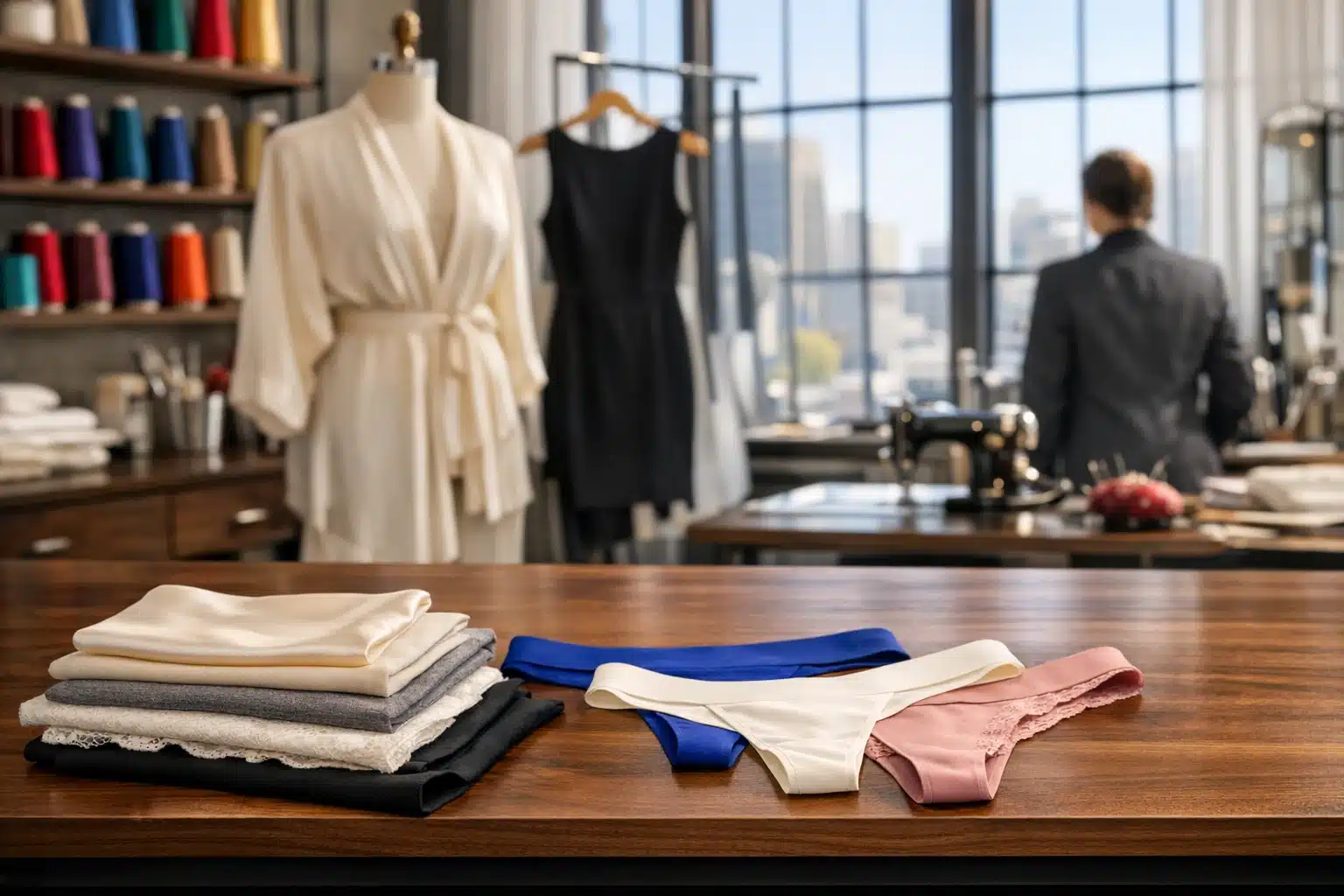
Material is the most obvious starting point. Premium thongs are often made from silk, high-grade microfiber, modal blends, long-staple cotton, or lace with a softer hand feel and more resilient stretch recovery. Many quality pairs include elastane in the range of roughly 5 to 20 percent, enough to help the garment keep its shape without creating a tight, rubbery sensation. A well-chosen blend can do several jobs at once: stay smooth under clothing, move with the body, manage moisture reasonably well, and resist that tired look that cheaper fabrics develop after repeated washing.
Construction matters just as much as fabric. The best premium thongs usually show discipline in the small details:
- Flat or bonded seams that reduce friction and visible lines
- A soft waistband that anchors the garment without cutting in
- A gusset designed for breathability and everyday practicality
- Elastic with steady recovery rather than aggressive tension
- Clean finishing around the leg openings so edges do not curl or twist
Design also plays a role in the sense of luxury. Some brands lean into minimalism with laser-cut edges and sleek matte finishes, while others favor lace, embroidery, satin trims, or mesh panels. Neither direction is inherently better. What matters is whether the visual choices serve the garment rather than overpower it. A thong can be ornate and still wearable, or simple and still special. The premium version is the one where decoration never feels like an excuse for poor engineering.
There is also an emotional factor. Luxury underwear often brings the quiet satisfaction of a product that has been thought through. It does not need to shout. The difference may be a softer waistband, a better-shaped back panel, or a fabric that remains smooth after many washes. Those are not glamorous details on a sales page, but they are exactly the things that separate a passing trend from a genuinely well-made piece.
Comfort Engineering: Fabric Behavior, Breathability, and Daily Wear
Comfort in a thong is more technical than many shoppers expect. Because the garment uses less fabric than briefs or shorts, every element becomes more noticeable. A waistband that is slightly too stiff, a seam that sits a few millimeters off, or a fabric that runs warm can change the experience quickly. Premium thongs tend to perform better not because they are magically softer, but because they are often built around how materials behave during movement, temperature changes, and long hours of wear.
Microfiber is popular in luxury and premium collections for good reason. A refined microfiber blend can feel cool, smooth, and almost invisible under fitted clothing. It often reduces bulk and works especially well with tailored trousers, body-skimming skirts, and lightweight dresses. Modal and TENCEL-style fibers are also common in comfort-led designs because they feel soft, drape well, and usually offer a gentle, almost fluid touch against the skin. Cotton remains important too, especially in the gusset, where breathability and practical day-to-day comfort matter more than gloss.
Silk occupies its own category. It can feel elegant, light, and low-friction, making it attractive for people who want a more elevated sensory experience. However, silk is usually more delicate than microfiber or cotton blends, and it often requires gentler care. Lace can also be comfortable when it is soft and well-finished, but the quality gap is wide. Cheap lace may scratch, snag, or lose elasticity. Premium lace, by contrast, usually feels smoother, stretches more evenly, and lies flatter against the body.
When evaluating comfort, it helps to think in layers:
- Surface comfort: how the fabric feels at first contact
- Dynamic comfort: how the thong behaves when you sit, walk, or bend
- Thermal comfort: whether the material traps heat or allows airflow
- Pressure comfort: whether the waistband and leg openings stay secure without digging in
Another overlooked issue is recovery. A thong may feel soft in the fitting room but become frustrating after a few hours if the elastic stretches out and shifts. Premium pairs usually do a better job of returning to shape, which keeps the fit stable. This is especially useful in seamless designs, where the absence of heavy seams means the fabric itself must do more of the structural work.
Good comfort is often invisible. You do not think about it because nothing is distracting you. That, more than marketing language, is the real benchmark. A luxury thong should not demand patience from the wearer. It should quietly do its job, disappear under clothing, and feel like an easy choice rather than a compromise dressed up as sophistication.
Design Language in Luxury Thongs: Minimal, Lace, Seamless, and Statement Styles
Luxury thongs are a small format garment with a surprisingly broad design vocabulary. Some are designed to vanish under clothing, others to feel decorative and expressive, and many attempt to do both. Understanding these design families helps shoppers choose based on use rather than impulse. A pair that excels under a fitted dress may not be the one you reach for on a slow weekend morning, and a richly detailed lace piece may look stunning in a drawer yet feel less practical under fine knitwear.
The cleanest category is the seamless or near-seamless thong. These styles often use laser-cut edges, bonded seams, or circular knit construction to reduce visible lines. They are the quiet professionals of the group. Under slim pants or stretch fabrics, they are often the most discreet option. Their appeal lies in restraint: smooth hand feel, low bulk, and a polished modern finish. If your priority is invisibility under clothing, this category often sets the standard.
Lace thongs move in a different direction. They bring texture, pattern, and visual softness. A good lace thong can feel light and elegant, especially when the lace is elastic, finely finished, and paired with a practical gusset. The risk is inconsistency. Inexpensive lace may seem appealing at first glance but can become rough, unstable, or misshapen after washing. Premium lace is more likely to keep its structure and feel supple instead of brittle.
Then there are satin-finish, silk-blend, mesh, and mixed-material styles that aim for a more fashion-led feel. These designs often combine sheer panels, trims, or architectural lines to create contrast. Think of them as the tailored jackets of the underwear drawer: not necessarily for every task, but memorable when chosen well. Common premium design directions include:
- Seamless minimalist thongs for invisible everyday wear
- Lace thongs for softness, detail, and a more romantic look
- High-rise thongs for a smoothing effect and stronger anchoring
- String thongs for minimal coverage and a lighter visual profile
- Wide-side or V-front cuts for a more sculpted line at the waist
Design is not only about appearance. The front rise, width of the waistband, back strap shape, and edge finish all affect how the thong sits and feels. A narrow string style may be ideal under delicate fabrics but less stable for all-day movement. A wider side panel may feel more secure while still keeping the silhouette sleek. Premium design gets interesting where utility and beauty meet. The best styles do not force you to choose between looking refined and feeling at ease. They make both seem natural, almost effortless, like a well-designed object that understands its purpose before you even put it on.
Fit and Sizing: How to Choose the Right Pair for Your Body and Wardrobe
Fit is the point where even expensive underwear can fail. A luxury thong made from exquisite fabric will still disappoint if it slides, pinches, or sits at the wrong height for your body. That is why fit deserves more attention than branding, packaging, or trend appeal. Premium shoppers often focus on fabric first, which makes sense, but the most beautiful material in the world cannot compensate for a cut that does not match your shape or wardrobe habits.
The first variable is rise. Low-rise thongs sit below the natural waist and work well with low-slung jeans or trousers, but they can shift more easily on some bodies. Mid-rise styles tend to offer the broadest balance of comfort and versatility. High-rise thongs are increasingly popular because they anchor well, can feel more secure, and pair nicely with higher-waisted skirts, pants, and dresses. They also change the visual proportion of the garment, giving it a more sculpted or vintage-inspired feel.
Back width matters too. String designs minimize bulk but may not suit everyone for long wear. Slightly wider back straps can feel more stable without sacrificing the clean outline that thong wearers often want. The waistband should rest firmly without creating sharp pressure marks. If it leaves deep indentation or rolls easily, the size or cut is probably wrong. If the garment moves around too much, rides up unpredictably, or loses shape during the day, it may be too large or simply poorly designed.
When assessing fit, use a practical checklist:
- The front panel should lie flat without pulling or bunching
- The waistband should stay in place during movement
- The leg openings should feel smooth rather than tight
- The back should feel present but not intrusive or abrasive
- The thong should work with the clothes you actually wear most
Sizing is not standardized across brands, especially in luxury categories. One label may cut a small more narrowly through the hips, while another uses more stretch and a taller rise. Reading fabric composition helps here. A pair with more elastane may feel forgiving, while silk or lace designs with limited stretch may require closer attention to size charts. Reviews can also be useful when they describe fit behavior rather than vague praise.
Wardrobe pairing is the final step. A seamless microfiber thong may be your best choice under fitted office wear, while a soft lace or modal style may feel better for evenings or less structured clothing. The ideal fit is not abstract; it should match your routine. When a thong suits both your body and the garments layered over it, the result feels effortless, and that ease is often the truest sign that you chose well.
Premium Value, Care, and a Practical Conclusion for Comfort-Focused Shoppers
Price alone does not create value, especially in underwear. A premium thong earns its place by performing well over time, not by arriving in elegant tissue paper. The real question is whether the garment justifies its cost through better comfort, stronger materials, cleaner construction, and more reliable shape retention. For some shoppers, that answer will be yes immediately. For others, it makes sense only when the product solves a specific frustration, such as visible lines, scratchy lace, stretched-out waistbands, or poor fit under tailored clothing.
There are a few signs that a higher price may be justified. Look for fabric clarity in the product description rather than vague luxury language. A detailed listing of fiber content, lining, and care instructions is a good start. Certifications such as OEKO-TEX can be useful if skin sensitivity is a concern, though they are not the only marker of quality. Close-up images of seams, edge finishing, and gusset construction can also reveal more than styling shots ever will.
Care has a direct impact on longevity. Even beautifully made pieces can age quickly if washed roughly or dried with high heat. Gentle treatment is especially important for silk, lace, and bonded finishes. A few habits go a long way:
- Wash in cool water with a mild detergent
- Use a mesh bag if machine washing delicate pairs
- Avoid harsh softeners that can affect stretch fibers
- Air dry whenever possible to protect elastic recovery
- Rotate frequently worn pairs instead of overusing the same favorites
For the target reader of this guide, the smartest purchase is not the most decorated thong or the most expensive one. It is the pair that fits your body, suits your clothing, and remains comfortable from morning to evening. If you care about discreet lines under garments, prioritize seamless construction and stable stretch. If tactile pleasure matters more, focus on soft lace, modal, or silk-blend options with thoughtful finishing. If practicality leads your choices, look for breathable gussets, resilient elastic, and a rise that matches how you dress.
In the end, luxury thongs are less about extravagance and more about refinement. They turn a basic category into a better-designed one. For shoppers who want underwear to feel polished, dependable, and quietly comfortable, premium thongs can be worth the investment when selected with clear eyes and a little patience. The best pair will not merely look elegant in a drawer. It will earn its place every time you forget you are even wearing it.