Buffet Restaurants for Seniors: What to Know
For many older adults, buffet restaurants offer more than a full plate: they provide choice, flexibility, and a relaxed way to dine with friends, family, or a community group. A buffet can make it easier to eat lightly, try familiar favorites, or build a meal around dietary needs without the pressure of a fixed entrée. Yet value, nutrition, accessibility, and timing all matter, especially for seniors who want comfort as much as convenience. This guide explains what to look for before taking a seat.
1. Article Outline and Why Buffet Dining Can Appeal to Seniors
Before moving into the details, it helps to map the subject clearly. This article follows a simple outline: first, why buffets often attract older diners; second, how pricing and senior discounts affect value; third, how to approach nutrition and portion control; fourth, what accessibility and atmosphere mean in real life; and fifth, how to choose a buffet wisely and enjoy the visit with confidence. That structure matters because buffet dining is rarely just about quantity. For many seniors, it is about freedom of choice in a setting that can feel more casual than formal table service and less rushed than many fast-casual restaurants.
One reason buffet restaurants remain popular with seniors is control. A fixed menu can be limiting, especially for someone who prefers smaller portions, avoids certain ingredients, or simply wants breakfast foods at lunch and soup with a side of fruit instead of a heavy entrée. At a buffet, the diner decides. That control can reduce waste as well. Someone with a lighter appetite can take small portions of several foods rather than commit to one oversized plate. In practical terms, that makes the experience more adaptable for people whose hunger changes from day to day.
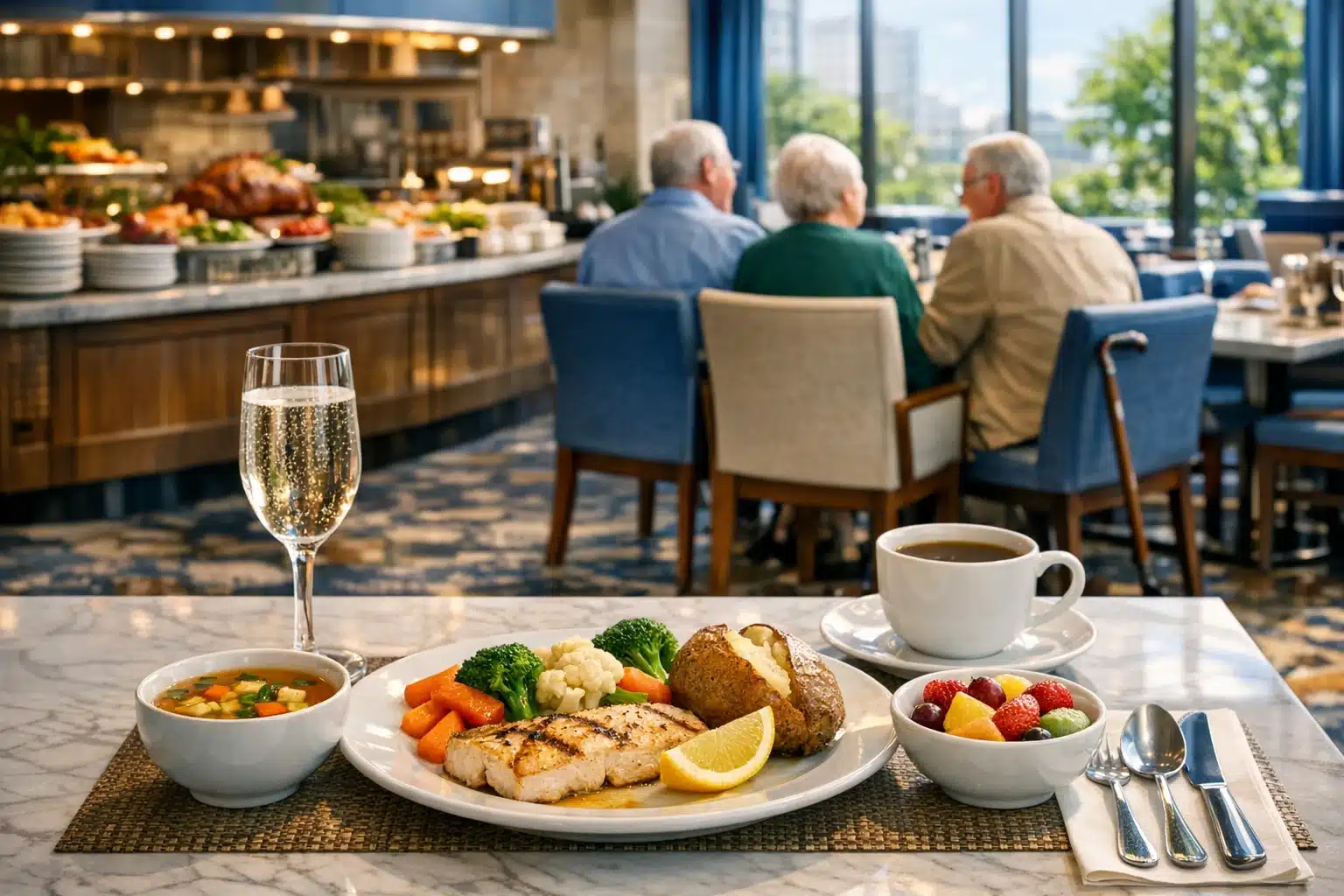
The social side is just as important. Buffets can work well for mixed groups because everyone finds something different. One person may want salad, another roasted vegetables, another fish, another mashed potatoes, and someone else a modest dessert with coffee. There is no long debate over the menu because the menu is, in effect, the room itself. In a pleasant buffet, the dining area can feel a little like a town square indoors: people rise, wander, return, and trade recommendations across the table. That movement can be lively without being demanding, provided the restaurant is thoughtfully designed.
Buffets can also suit common senior dining priorities:
• flexibility in portion size
• wider food variety
• easier accommodation of mild dietary preferences
• potentially good value at lunch
• a comfortable option for families and groups
Still, the appeal depends on execution. A good buffet feels organized, clean, and welcoming. A poor one feels noisy, crowded, and careless. That is why seniors should look beyond the idea of “all you can eat” and focus instead on comfort, quality, and practicality. The rest of this guide expands each part of that outline so the choice becomes less of a gamble and more of an informed decision.
2. Understanding Cost, Senior Discounts, and Real Value
Price is often the first question, and for good reason. A buffet can look economical at first glance, but the true value depends on several moving parts: meal period, beverage charges, dessert inclusion, tax, tip, and whether a senior discount is available. Many buffet restaurants charge less at lunch than at dinner, sometimes by a noticeable margin. Dinner service may include a wider selection, such as carved meats, seafood options, or expanded dessert stations, but not every diner needs those extras. For seniors who prefer a lighter meal or eat earlier in the day, lunch is often the smarter buy.
Senior discounts vary widely, but where they are offered, they commonly range from modest savings to a meaningful reduction on the base meal price. Some restaurants also tie discounts to specific days, early dining periods, loyalty programs, or local promotions. It is worth calling ahead rather than assuming. A five-minute phone call can answer practical questions such as:
• Is there a senior rate?
• What ages qualify?
• Are drinks included?
• Is the lower price limited to weekdays or lunch hours?
• Are group reservations eligible for additional savings?
Comparing buffet value to standard table service is useful. A plated restaurant meal may offer more attentive service and less walking, but it often comes with fewer side choices and less flexibility. A buffet can be the better value when a diner wants soup, salad, a modest main course, fruit, and coffee, all in one visit. On the other hand, if someone eats only one small entrée and skips most extras, a buffet may cost more than ordering à la carte elsewhere. In other words, value is personal, not automatic.
Hidden costs deserve attention too. Drinks are sometimes priced separately, and specialty beverages can raise the final bill quickly. Weekend pricing is often higher than weekday pricing. Holiday buffets may look festive, but they can carry premium charges that make a quiet weekday lunch seem much more sensible by comparison. Transportation matters as well. A less expensive buffet across town may not truly save money if the trip is long, tiring, or expensive.
For seniors on fixed incomes, the best approach is to think in layers. First, ask what the meal costs. Then ask what it includes. Finally, ask whether the restaurant experience matches the price in comfort, quality, and convenience. A buffet that is slightly more expensive but clean, accessible, and calm may be a better value than a cheaper option that feels chaotic. Good value is not just a number on a sign; it is the full experience from parking lot to coffee cup.
3. Nutrition, Portion Control, and Dietary Considerations
Buffet restaurants can be surprisingly useful for seniors who want more control over what they eat. The challenge is that abundance can blur judgment. When every tray seems to whisper “just one more spoonful,” a balanced meal can quietly turn into a heavy one. The good news is that buffet dining allows thoughtful choices when approached with a little strategy. Instead of seeing the line as a test of appetite, it helps to view it as a set of options for building a meal that feels satisfying without being overwhelming.
Many older adults are encouraged by health professionals to pay attention to protein, fiber, hydration, calcium, vitamin D, and overall meal balance. A buffet can support those goals if the diner starts with the layout rather than the dessert station. Salads, cooked vegetables, beans, eggs, yogurt, fish, chicken, soups, fruit, and whole-grain sides can all fit into a more balanced plate. The practical advantage is choice: one person may prefer oatmeal and fruit, another vegetable soup and grilled chicken, another a baked potato with steamed vegetables and a small serving of roast turkey.
That said, buffets can also be packed with foods that are easy to overdo. Rich sauces, fried items, deli meats, creamy dressings, salty soups, and sweet desserts can drive up sodium, sugar, and saturated fat without much warning. This does not mean seniors should avoid buffets; it simply means the best approach is selective rather than automatic. A useful pattern is to make one plate mostly vegetables, lean protein, and a simple starch, then decide whether a second small plate is truly needed.
Simple buffet strategies can make a real difference:
• take a smaller plate if the restaurant offers one
• scan all stations before serving anything
• start with vegetables or soup, not dessert
• choose foods that look fresh and recently replenished
• drink water regularly, especially in warm dining rooms
• leave room between trips to notice fullness
Special dietary needs add another layer. Seniors managing blood sugar, heart-conscious eating patterns, digestive sensitivities, or chewing difficulties may find buffets easier than fixed-menu restaurants because they can assemble a meal from several simpler items. Soft vegetables, rice, baked fish, eggs, yogurt, soup, oatmeal, and fruit may be easier choices than heavily breaded or highly seasoned dishes. Still, ingredients are not always labeled clearly, and sauces can hide salt, sugar, or allergens. Asking staff for guidance is reasonable and often necessary.
In the end, a buffet can either encourage excess or reward good judgment. The difference is rarely the restaurant alone. It is the pace, the planning, and the diner’s willingness to choose what feels good two hours later, not just what looks tempting under bright lights. When seniors use buffets for variety instead of volume, the experience tends to be much more enjoyable.
4. Accessibility, Comfort, Timing, and the Social Experience
A buffet can be full of options and still be a poor fit if the room is difficult to navigate. For seniors, accessibility is not a minor detail; it is central to whether the meal feels pleasant or tiring. The best buffet restaurants understand this. They offer easy parking, step-free entry where possible, stable seating, clear walking paths, and buffet stations that are not packed so tightly that moving through them becomes stressful. A restaurant may have excellent food, but if a guest struggles with stairs, narrow aisles, slippery flooring, or long waits in line, the outing can lose its appeal quickly.
Comfort starts before the first plate is lifted. Seniors may want to notice whether the entrance is close to parking, whether doors are heavy, and whether restrooms are easy to access. Inside the dining room, chairs with firm support can matter more than fashionable décor. Lighting should be bright enough to read signs and judge the food properly, yet not so harsh that the room feels clinical. Noise is another overlooked factor. Some buffets are busiest at peak family hours and can become loud enough to make conversation difficult. For many older adults, a quieter setting is not a luxury; it is part of enjoying the meal.
Timing can transform the buffet experience. Going shortly after service begins often means fresher food, cleaner stations, and shorter lines. Early lunch or early dinner may also bring a calmer atmosphere. By contrast, the busiest periods can involve crowding, slower replenishment, and more walking with less personal space. Seniors dining with friends often find that a slightly earlier visit offers the same menu with fewer headaches.
Key comfort questions include:
• Are aisles wide enough for canes, walkers, or careful movement?
• Are the serving utensils easy to lift and use?
• Is staff assistance available when needed?
• Are there quieter seating areas away from the busiest traffic?
• Is the temperature in the dining room comfortable?
The social side of buffet dining deserves attention too. For many seniors, meals are not just fuel; they are a rhythm of community. A buffet can suit family gatherings because each person can follow a different appetite without slowing down the group. Grandchildren can find simple foods, adults can try broader selections, and older diners can build a plate that fits their preferences. That flexibility can remove tension from group outings. No one has to settle on one cuisine or negotiate around a narrow menu.
At its best, a buffet gives diners room to shape their own pace. One person may linger over soup while another returns for fruit. Someone else may skip the main line entirely and enjoy tea with a small dessert. There is a gentle freedom in that arrangement. For seniors, especially those who value both independence and company, that balance can make buffet restaurants especially appealing when the environment is designed with real comfort in mind.
5. How Seniors Can Choose a Good Buffet and Make the Most of the Visit
Choosing the right buffet is less about chasing the biggest spread and more about identifying the places that consistently deliver cleanliness, freshness, comfort, and fair pricing. A smart first step is simple research. Online reviews can be useful, but they should be read carefully. A single glowing comment or harsh complaint rarely tells the whole story. It is better to look for patterns: repeated praise for fresh food, repeated concerns about long waits, repeated mention of helpful staff, or repeated complaints about cold dishes. If several reviewers mention the same issue, that pattern is more informative than one dramatic opinion.
Calling the restaurant ahead of time is often even better. Seniors can ask practical questions that reviews may not answer. For example, does the restaurant offer senior pricing, accessible seating, quieter hours, or assistance carrying plates if needed? A quick conversation can reveal a great deal about the service culture. If the staff answers clearly and politely on the phone, that is often a good sign. If basic questions seem to annoy them, expectations should be adjusted accordingly.
Once at the restaurant, a quick visual check matters. Clean counters, tidy serving utensils, refilled trays, and organized stations suggest attentive management. Hot foods should appear properly heated, and cold foods should look well chilled. Soup should be hot, salad ingredients crisp, and dessert areas orderly rather than sticky and neglected. Trusting one’s senses is sensible. If the buffet line looks tired, the room feels neglected, or the food appears to have sat too long, it is reasonable to keep expectations low or choose another place next time.
Useful habits for a better buffet outing include:
• arrive a little before peak rush
• walk the buffet once before filling the plate
• choose smaller first portions
• ask about discounts and beverage pricing before ordering extras
• take breaks between servings
• favor comfort and freshness over sheer variety
For seniors, the best buffet is not necessarily the cheapest or the largest. It is the one that respects the diner’s time, appetite, mobility, and budget. A good buffet lets people eat at their own pace, tailor a meal to their preferences, and enjoy company without fuss. That combination can be hard to beat when the restaurant gets the basics right.
In summary, buffet restaurants can be an excellent choice for seniors when approached thoughtfully. They offer flexibility, social ease, and the chance to build a meal that matches both appetite and routine. The strongest choices usually combine clear pricing, decent food quality, comfortable access, and a calm dining window. For older diners who want variety without losing control over portion size, cost, or comfort, a well-chosen buffet can feel less like an indulgence and more like a pleasant, practical outing worth repeating.