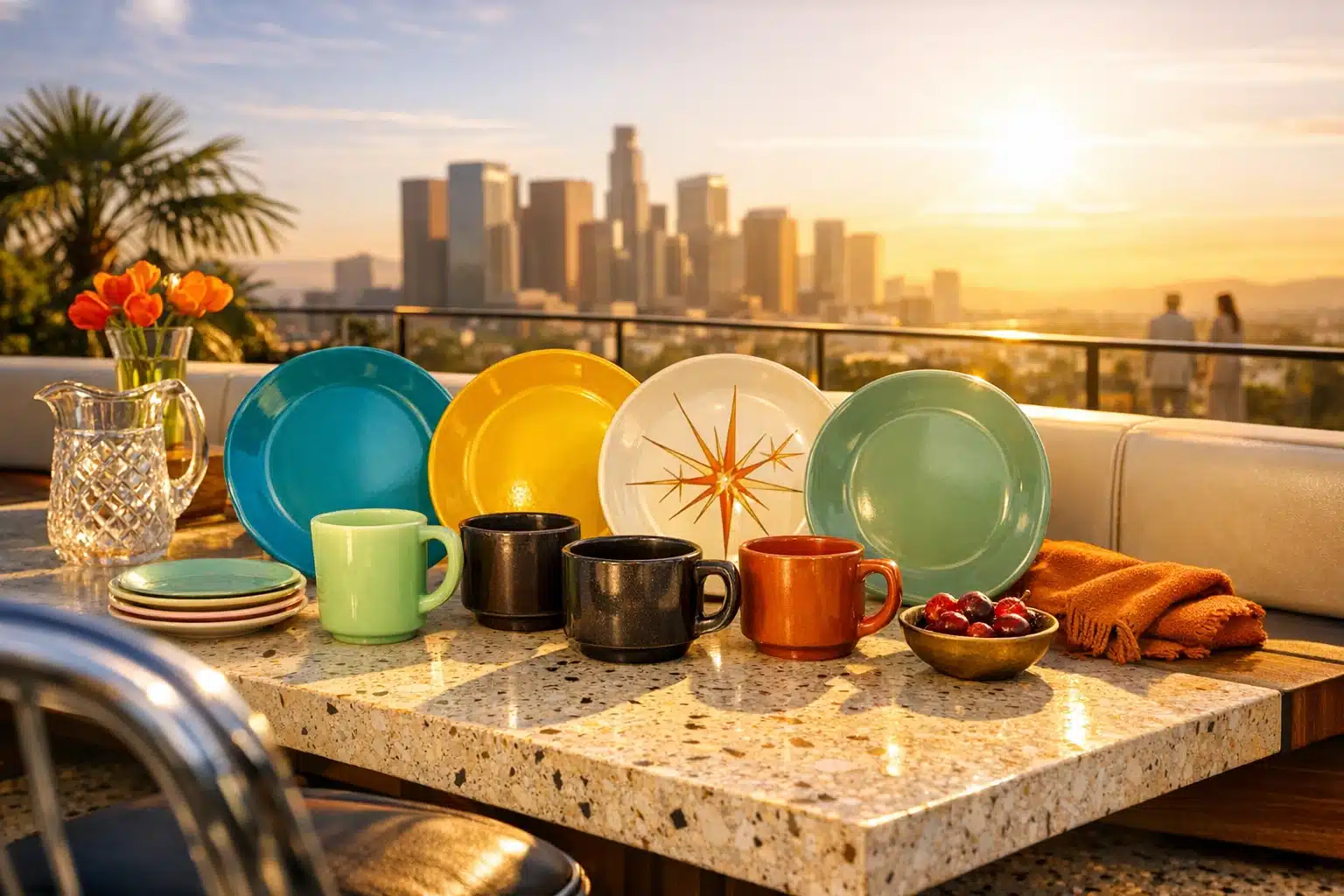
Retro Mugs and Plates That Could Be Worth Money
Why Retro Tableware Matters and What This Article Covers
Retro mugs and plates can seem modest until a shape, glaze, or backstamp reveals that they belong to a sought-after line. Objects once stacked in diners, first apartments, and family cupboards now appeal to collectors who value design, memory, and scarcity in equal measure. This guide looks at ten examples worth checking closely, then explains how to judge condition, age, and market appeal before you buy, keep, or sell.
The renewed interest in retro tableware is not random. It follows a wider collecting trend built around mid-century modern interiors, 1970s color palettes, and a growing appreciation for everyday design. Unlike high-end antiques that can feel distant or untouchable, mugs and plates are approachable. Many people discover them through a relative’s kitchen, a thrift store shelf, or a box from an estate sale. That sense of familiarity gives this category a special kind of energy: the hunt feels personal. A single mug can carry the mood of a decade, whether that means a cheerful diner green, an atomic starburst, or a heavy stoneware glaze in toasted brown.
Value in this niche works on two levels. First, there is resale value, which depends on what buyers are actually willing to pay in the current market. Second, there is collector value, which can be just as important. Some pieces are not wildly expensive, but they are still meaningful because they complete a set, represent a classic designer, or capture a style that is becoming harder to find in good condition. That is why a common-looking plate may sell for little on its own, while a matching group in excellent shape attracts strong interest.
Here is the outline for the rest of the article:
- Five retro mugs and plates that often lead the conversation in North American and British collecting circles
- Five more pieces with strong design credibility and steady collector followings
- The key factors that separate a lucky find from a merely old dish
- Practical advice for collectors, sellers, and casual treasure hunters
It is also worth keeping expectations realistic. Not every old mug is a jackpot, and not every plate with a faded floral border belongs in a dealer’s display case. Still, certain makers, colors, and patterns regularly outperform the rest. If you enjoy the small thrill of turning over a plate to inspect the mark on the base, you are already thinking like a collector. The sections ahead are designed to help you turn that curiosity into sharper judgment.
Five Retro Mugs and Plates That Could Be Worth Money
Some retro pieces rise above the crowd because they combine recognizable design with steady demand. These are the kinds of items that make collectors pause, resellers reach for their phones, and market stall shoppers suddenly protect a plate with both hands. The first five examples below are not guaranteed windfalls, but they are among the more dependable names to watch.
- 1. Fire-King Jade-ite mugs
- 2. Vintage Fiesta dinner plates in retired colors
- 3. Franciscan Starburst plates
- 4. Corelle Butterfly Gold mugs and plates
- 5. Hornsea Heirloom or Saffron mugs and side plates
Fire-King Jade-ite remains one of the strongest names in the field of retro kitchen collectibles. Made by Anchor Hocking, these milk glass pieces are known for their soft green color and sturdy diner look. Restaurant ware mugs are especially popular because they feel both practical and iconic. Condition matters a great deal. A clean mug with a glossy surface and no chips can bring noticeably more than one with scratches or rough rims. Common examples often trade in the lower collectible range, but scarcer shapes, matching restaurant pieces, and authentic early production can move into much higher territory.
Vintage Fiesta, produced by Homer Laughlin, is another major category. Single plates in desirable older colors such as turquoise, medium green, cobalt, or early red often appeal to buyers who are replacing damaged pieces or building color-specific displays. Fiesta benefits from broad name recognition, and that keeps demand active. While many standard plates are not rare, value can rise when color, size, and age align. Retired colors and older marks are usually more interesting than later mass-available versions. A simple plate may sell modestly, while a hard-to-find colorway can command far more.
Franciscan Starburst is a standout for mid-century modern fans. Its atomic-era pattern gives it instant visual punch, and that graphic appeal has helped it age unusually well. Dinner plates, snack sets, and matching coffee pieces are especially watched. Buyers often prefer clean lines, bright pattern definition, and minimal utensil wear. A single damaged plate may have mainly decorative value, but a crisp set can draw serious attention. Starburst is a good example of how design can lift a pattern beyond utility and into display-worthy status.
Corelle Butterfly Gold is more common, which makes it an interesting case. Individual pieces often remain affordable, yet complete early sets, unopened stock, and less common mug forms can still perform well. Collector value here is often about completeness and nostalgia rather than extreme rarity. People remember it from family kitchens, and that emotional link supports steady demand. It may not always be the flashiest discovery, but it can sell reliably when grouped smartly.
Hornsea, especially the Heirloom and Saffron lines, has a different flavor. These British pieces lean into earthy 1960s and 1970s design with strong geometry and warm tones. Mugs, side plates, and matching storage items appeal to buyers who like Scandinavian-influenced interiors and practical ceramics. Common pieces can be moderately priced, yet crisp examples with intact glaze and matching sets often attract competitive interest. If Fire-King feels like a bright American diner and Hornsea feels like a moody autumn breakfast nook, both prove the same point: retro utility can become collectible character.
Five More Collector Favorites With Real Market Appeal
The next five names are especially useful for collectors who want to look beyond the most famous mainstream patterns. They may not appear in every thrift shop, but when they do, they often reward a closer look. Some are prized for design authorship, some for glaze quality, and some because their markets stretch across more than one country.
- 6. Arabia Finland Ruska mugs and plates
- 7. Midwinter Stylecraft plates by Jessie Tait
- 8. Denby Arabesque or Chevron mugs and dinner plates
- 9. Lu-Ray pastel plates by Taylor, Smith and Taylor
- 10. Metlox Poppytrail mugs, snack sets, and plates
Arabia Finland Ruska has become a quiet favorite among design-led buyers. Designed by Ulla Procopé, Ruska is known for its rich, earthy glaze that varies from piece to piece. That variation is part of the charm. No two mugs or plates look exactly alike, and collectors often enjoy comparing the warmer brown tones with deeper almost charcoal finishes. Because Arabia has an international reputation, Ruska performs well with buyers who appreciate Scandinavian and Finnish design. Single pieces can bring respectable prices, while larger matched sets or less common forms may rise more sharply.
Midwinter Stylecraft, especially patterns associated with Jessie Tait, is a strong category for anyone interested in British modernist tableware. Patterns such as Red Domino, Capri, and Spanish Garden can stand out immediately on a crowded shelf. These pieces have a graphic confidence that photographs well and displays beautifully, which helps online resale. Collector demand is often strongest when cups, saucers, and plates remain together, but even orphan plates can have value if the pattern is harder to find. Midwinter also benefits from its design history, which gives buyers a reason to see it as more than simple kitchenware.
Denby Arabesque and Chevron are excellent examples of 1970s stoneware that has matured into collectibility. Their glazes, shapes, and substantial weight give them a practical charm that modern mass-market tableware often lacks. The value range can be broad. Common mugs and dinner plates may stay affordable, which is good news for collectors building a set. Scarcer condition grades, discontinued forms, and boxed or lightly used examples bring more attention. Denby is often less about sudden high prices and more about durable, consistent demand.
Lu-Ray pastel plates offer a softer visual language. Produced by Taylor, Smith and Taylor, the line is loved for clean forms and gentle colors such as pink, blue, yellow, and green. Single plates may not always look dramatic, but a coordinated stack has immense display appeal. That is where collector value grows. Matching color groupings, unusual forms, and well-preserved glossy surfaces matter more than age alone. In many cases, complete table settings outperform individual pieces because buyers want the whole pastel rhythm rather than one note.
Metlox Poppytrail rounds out the list because California pottery retains a loyal audience. Hand-painted decoration, regional production history, and recognizable mid-century styling all help. Snack sets, mugs, and plates from desirable patterns can perform well, especially when color remains vivid and wear is minimal. Metlox also shows how collector value does not always depend on rarity alone. Sometimes the attraction lies in the way a piece instantly changes the mood of a room. Put a dull modern plate beside a lively Poppytrail example, and the retro piece seems to start telling stories before lunch is served.
How to Tell Whether a Retro Mug or Plate Has Real Value
Finding a retro piece is the easy part. Knowing whether it deserves a place in your collection or a higher price tag is where judgment begins. The market for mugs and plates is shaped by several measurable factors, and ignoring even one of them can lead to overpaying or underselling. Old does not automatically mean valuable. Common does not automatically mean worthless either. The details decide everything.
The first checkpoint is the maker’s mark or backstamp. Turn the piece over and inspect the underside carefully. Many manufacturers changed marks over time, and those changes can help narrow the production period. A plate from an earlier run, especially in a retired color or discontinued pattern, often attracts more interest than a later version. That does not mean later production has no value, but earlier examples usually carry more excitement. Shape, clay body, glaze style, and country of manufacture can also matter, especially for brands like Arabia, Denby, Hornsea, and Midwinter.
Condition is equally important, sometimes brutally so. Chips, cracks, crazing, heavy utensil wear, staining, fading, and dishwasher damage can cut value sharply. Tiny differences matter. A mug with a clean handle and glossy surface will often outsell one with minor roughness at the rim. Plates are especially vulnerable because scratches show up under light. When shopping in person, tilt the piece slowly and inspect the surface from multiple angles. The market regularly rewards patience here. One pristine plate can be worth more than a stack of tired ones.
Use this quick checklist when evaluating a find:
- Is the maker clearly identified?
- Is the pattern desirable or easy to research?
- Does the glaze look fresh rather than dulled by heavy use?
- Are there chips, hairlines, or repairs?
- Is the color retired, uncommon, or unusually strong?
- Would the item sell better alone or as part of a set?
Completeness can push prices higher. A single plate may interest someone replacing a missing item, but a group of four, six, or eight appeals to decorators and practical buyers. Matching mugs can be surprisingly influential, because many vintage dinner sets lost their original drinkware over time. Scarcity also deserves context. A rare pattern without active demand may still sell slowly, while a common but beloved pattern can move quickly. That is why sold prices matter more than wishful asking prices. Research should focus on completed sales, reputable auction archives, collector forums, replacement dealers, and pattern reference sites.
Finally, remember the hidden influence of shipping. Large plates, heavy stoneware, and fragile mugs are expensive to pack safely. This affects online prices and sometimes keeps local finds undervalued. A smart collector thinks not only about beauty and rarity, but also about how easy the piece is to store, display, and resell. In the retro tableware world, knowledge is the strongest glaze of all.
Conclusion for Collectors, Resellers, and Curious Finders
If you are drawn to retro mugs and plates, you are entering a field where design, memory, and market logic meet at the kitchen table. The ten examples in this guide show that value comes in different forms. Fire-King Jade-ite and vintage Fiesta have broad recognition. Franciscan Starburst and Midwinter attract pattern-driven enthusiasts. Arabia Ruska, Denby, Hornsea, Lu-Ray, Corelle, and Metlox each speak to different tastes, budgets, and eras. Together, they prove that collectible tableware is not just about luxury. It is about identifying the pieces that people still want to live with.
For casual finders, the most useful lesson is simple: slow down before dismissing old dishes as ordinary. Check the underside. Learn a few marks. Notice whether the piece feels unusually well made, visually distinctive, or connected to a known line. A flea-market mug that costs the price of a coffee can still be a worthwhile buy if it completes a set, belongs to a strong maker, or has enduring decorative appeal. Even when resale value is modest, a good find can deliver collector value through usefulness, beauty, and historical character.
For active collectors, discipline matters as much as enthusiasm. Buy condition first when possible. Keep records of patterns, dates, and purchase prices. Compare completed sales rather than hopeful listings. Think in terms of sets, colorways, and replacement demand. Storage also matters. Plates should be protected from scratching, and mugs should not be stacked carelessly if glaze rubbing is likely. A carefully built collection ages better, photographs better, and sells better if the time ever comes to let pieces go.
For resellers, the strongest opportunities often come from mixed lots, estate-sale cupboards, and incomplete sets that can be broken into useful replacement groups. Photograph marks clearly, describe wear honestly, and avoid calling everything rare. Buyers in this market tend to know what they are looking at. Accurate listings build trust and reduce returns. A measured approach usually outperforms dramatic claims.
The real charm of retro tableware is that it turns daily objects into small design archives. A mug can recall a roadside café, a plate can echo a 1970s dining room, and a color can bring back a family home in a flash. If that combination of history and utility appeals to you, keep looking closely. The next valuable find may be waiting in a charity shop stack, quiet as ever, until someone notices the mark on the bottom and the story it carries.