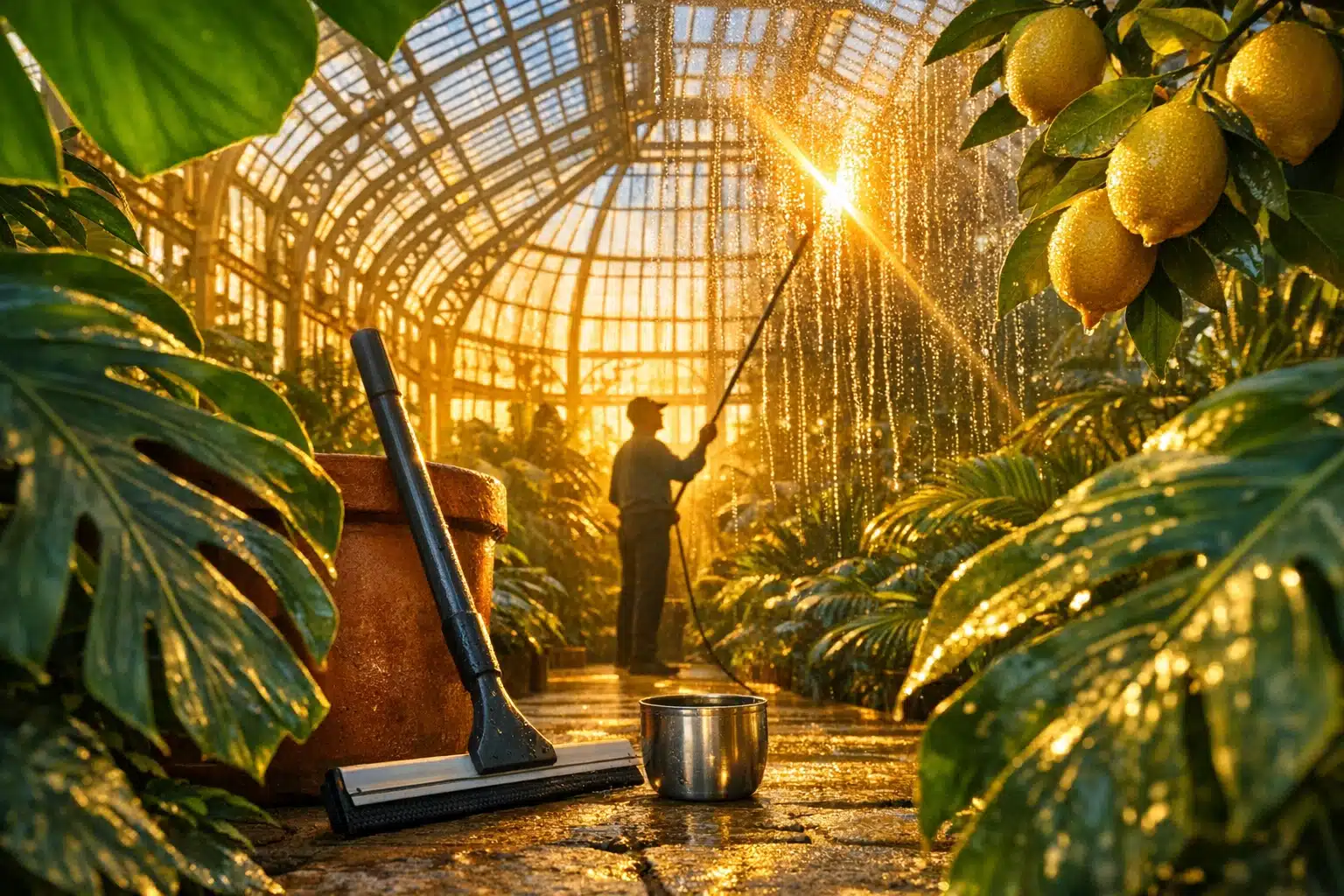
Pro Window Cleaning Tips for a Streak-Free Shine Every Time
Windows are easy to ignore until sunlight hits every smudge, dust trail, and dried raindrop at once. Whether you are freshening up a living room, maintaining a storefront, or tackling seasonal chores, the difference between dull glass and a crisp finish often comes down to water quality, timing, and technique. Professionals rely on systems and habits that reduce residue before it forms. The encouraging part is that many of those methods are practical for homeowners too.
Article Outline: Why Water, Tools, and Technique All Matter
Window cleaning has a funny way of looking effortless only after it is done well. When the glass turns nearly invisible, most people see the result and not the process behind it. Yet a spotless pane is not the product of luck. It comes from understanding three simple factors: what is in the water, what touches the glass, and how quickly residue is removed before it dries. This article follows that path from start to finish so the topic feels useful rather than mysterious.
The first part explains a question many homeowners ask after watching a crew work from the sidewalk with long poles and spotless results: what do professional window cleaners actually use in their water? The answer depends on the method. Some use purified water with almost no dissolved minerals, while others use plain water mixed with a small amount of detergent and then remove it with a squeegee. That contrast matters because soap-based cleaning and pure-water cleaning solve the same problem in different ways.
The second part focuses on preparation and tools. This is where many cleaning attempts go off course. A good squeegee, a clean microfiber cloth, and a bucket of properly mixed solution often outperform a shelf full of random sprays. Dusty frames, dirty screens, and gritty window tracks can also undo good work before it starts. Cleaning the glass without dealing with those surfaces is like painting a room before covering the furniture: the result may look fine for a moment, but the mess returns quickly.
The remaining sections turn knowledge into action. You will find:
• a clear explanation of purified, distilled, and tap water
• practical comparisons between microfiber cloths, paper towels, and squeegees
• an easy routine for indoor and outdoor windows
• simple methods for reducing streaks, drag marks, and mineral spots
• a concluding set of takeaways for homeowners and small business owners who want reliable results
Think of the article as a guided walk rather than a lecture. By the end, you should know why professionals often avoid ordinary tap water for certain jobs, why more soap is rarely better, and why technique matters as much as the cleaner itself. Window cleaning is partly chemistry, partly habit, and partly timing. Once those pieces line up, the glass stops announcing itself and quietly lets the light do the talking.
What Professional Window Cleaners Use in Their Water
Professional window cleaners do not all use the same water mixture, because the best choice depends on the building, the height of the glass, and the method being used. In traditional window cleaning, a worker often fills a bucket with water and adds a small amount of professional glass detergent or a mild soap designed to improve glide. That solution helps loosen grime, oily fingerprints, and environmental residue. The key word is small. Too much soap leaves film behind, makes the squeegee chatter across the pane, and increases the risk of streaks.
For exterior window cleaning, especially on upper floors, many companies now use purified water systems. These systems commonly combine reverse osmosis and deionization to strip minerals from the water. In practical terms, that means the water has very low total dissolved solids, often near 0 parts per million. Ordinary tap water can carry calcium, magnesium, and other minerals. When that water dries on glass, those minerals remain behind as spots. Purified water behaves differently because there is little or no mineral content left to create visible marks after drying.
This leads to two widely used professional approaches:
• Traditional method: water plus a small amount of detergent, applied with a washer and removed with a squeegee
• Pure-water method: highly purified water delivered through a water-fed pole and left to dry naturally
• Hybrid approach: traditional cleaning for interior panes and pure water for exterior surfaces where reach and speed matter
Each method has strengths. Traditional squeegee work is excellent for indoor windows, storefront glass, mirrors, and detailed jobs where edges must look sharp immediately. Pure-water cleaning shines on exterior windows because it reduces ladder use, improves reach, and allows frames as well as glass to be rinsed thoroughly. Many professionals choose one or the other based on what produces the safest and most efficient result.
Homeowners can borrow the same logic without buying a commercial setup. Distilled water is a useful substitute when local tap water is hard. A few drops of mild dish soap in a bucket can work for hand cleaning, but restraint matters. More cleaner does not mean more shine; it usually means more residue to chase around the pane. The professional mindset is simple: use water that will not leave deposits, add only enough product to break up dirt, and remove or rinse the solution before it dries. That is the quiet science behind windows that look almost absent from the wall.
Easy Window Cleaning Tips You Can Follow at Home
A good home routine starts before the glass gets wet. One of the easiest improvements you can make is to remove loose dust, pet hair, and grit from the frame, sill, and track first. A dry microfiber cloth, a soft brush, or a vacuum with a narrow attachment works well for this step. Skipping it allows dirt to slide onto the glass while you clean, which turns a simple job into a muddy one. Preparation feels small, but it changes the whole experience.
Tool choice matters more than many people expect. Paper towels are convenient, yet they often leave lint and can smear residue from one area to another. Microfiber cloths are usually better because they trap fine particles, absorb moisture well, and leave fewer fibers behind. A basic squeegee can improve results even further once you learn the motion. Modern window cleaning is much less about special sprays than it is about using the right tools cleanly and consistently.
If you are assembling a simple kit, start with:
• two or three clean microfiber cloths
• a bucket or spray bottle
• a soft sponge or washer
• a quality squeegee with a sharp rubber blade
• distilled water if your tap water is mineral-heavy
• a dry detailing cloth for edges and corners
Another easy tip is to clean on a mild, overcast day or on the shaded side of the house. Bright sun heats the glass, causes water to evaporate faster, and can leave cleaner behind before you finish wiping. People often blame the product when the real culprit is the weather. Shade gives you a little more working time and makes it easier to see the film you are removing.
Mixing matters too. For many household jobs, a bucket of water with a very small amount of mild soap is enough. If you use a commercial glass cleaner, spray lightly rather than drenching the pane. Oversaturation tends to push dirty liquid into the corners and along the frame. The goal is controlled moisture, not a flood.
Finally, work in sections and change cloths when they become damp or dirty. A saturated cloth simply spreads grime. Many people keep one cloth for washing and another for drying or detailing. That small habit creates a cleaner finish with less effort. Window cleaning is rarely won through force. It is won through order: prep first, use a modest amount of solution, remove it cleanly, and finish the edges with care. Once that rhythm becomes familiar, the task feels less like a chore and more like a quick reset for the room.
Simple Tips to Achieve Clear, Streak-Free Glass
Streak-free glass is less about magic products and more about understanding why streaks appear. In most cases, they come from one of four causes: too much cleaner, dirty tools, mineral-rich water, or drying too slowly or too quickly. If you solve those problems, you solve most of the frustration. The path to clear glass is not complicated, but it does reward precision.
Start with the amount of solution you use. A lightly damp surface is easier to manage than one that is dripping. Too much liquid carries dissolved dirt into the edges, where it dries into faint lines and sticky corners. The same principle applies to soap. A few drops in a bucket may be enough; a heavy squeeze can create a film that looks invisible until the afternoon sun reveals every pass of the cloth. When people say a window looked fine until later, residue is usually the reason.
If you use a squeegee, technique makes a visible difference. Keep the rubber edge clean and wipe it between passes. Begin near the top of the pane and pull the blade down or across in steady strokes, depending on the size and shape of the window. Slight overlap helps prevent narrow water lines. Finish by wiping the edges and sill with a dry microfiber cloth. That last detail is where a professional-looking result often appears. The pane may be clean, but the frame tells the truth about how carefully the job was finished.
A few reliable streak-prevention habits include:
• wash or replace microfiber cloths when they stop absorbing well
• avoid fabric softener on cleaning cloths because it can reduce absorbency
• clean one side of the glass vertically and the other horizontally so you can spot where any mark remains
• use distilled or purified water if hard-water spots are common in your area
• check the blade of a squeegee for nicks, because damaged rubber leaves lines
There is also a visual trick worth using: inspect the window from different angles. Straight-on light can hide residue that side light reveals immediately. Move a step to the left, then to the right, and you will often see what a still stance misses. It is a small habit, but it saves time because you catch problems before the solution dries completely.
Perhaps the most encouraging truth is that a streak-free finish does not require perfection on the first pass. It requires observation. Glass rewards attention more than force. Once you learn how water behaves on the surface, how quickly your cleaner dries, and how your cloth or squeegee responds, the job becomes easier every time. The sparkle is not a mystery at all. It is simply what remains after residue, minerals, and haste are no longer invited to stay.
Common Mistakes, Smart Comparisons, and Final Takeaways for Homeowners
Many window cleaning problems come from habits that seem harmless. Using the same dirty rag for every pane, cleaning in direct midday sun, spraying far too much product, or forgetting to wipe the blade of the squeegee can all produce disappointing results. None of these mistakes are dramatic, which is exactly why they are common. A poor finish usually comes from a series of small choices rather than one major error.
It helps to compare common options realistically. Tap water is inexpensive and convenient, but in hard-water areas it often leaves mineral spots. Distilled water costs more, yet it can improve results on final rinses and small indoor jobs. Microfiber cloths usually outperform paper towels because they leave less lint and hold dirt more effectively. A spray bottle is useful for mirrors and touch-ups, while a bucket-and-squeegee setup is faster for larger panes. Store-bought glass cleaners can be effective, though they are not automatically better than a mild soap solution used correctly. The best tool is not the fanciest one; it is the one that matches the job and is kept clean.
Here is a practical decision guide:
• For everyday indoor windows: microfiber cloths, light cleaner, and careful drying often work well
• For large panes or patio doors: a washer and squeegee save time and reduce streaking
• For homes with hard water: distilled water or filtered water can noticeably improve the finish
• For exterior upper windows: a professional service may be safer and more efficient than a ladder-based DIY attempt
• For stubborn mineral spotting: a dedicated hard-water remover may be needed, but test it carefully and follow product instructions
Routine also matters. Windows that are cleaned regularly are easier to maintain because dirt has less time to bond with the surface. For many homes, a seasonal schedule is enough. Kitchens, entry doors, and glass near sprinklers or traffic may need more frequent attention. A little maintenance prevents the kind of buildup that turns a quick task into a long afternoon.
For the average homeowner, the main lesson is reassuringly simple. You do not need a van full of equipment to get better results. You need cleaner water, cleaner tools, a measured amount of solution, and a methodical pace. If your windows have been fighting back, start with those four adjustments before buying another bottle.
In closing, the target audience for this guide is anyone who wants brighter rooms, clearer views, and a cleaning routine that feels achievable instead of irritating. Borrow the professional principles, adapt them to your home, and keep the process straightforward. When water quality, tool choice, and technique work together, glass stops looking like a surface you cleaned and starts looking like there is nothing there at all.