Kitchen Islands Are Being Replaced — Here’s What People Are Choosing Instead
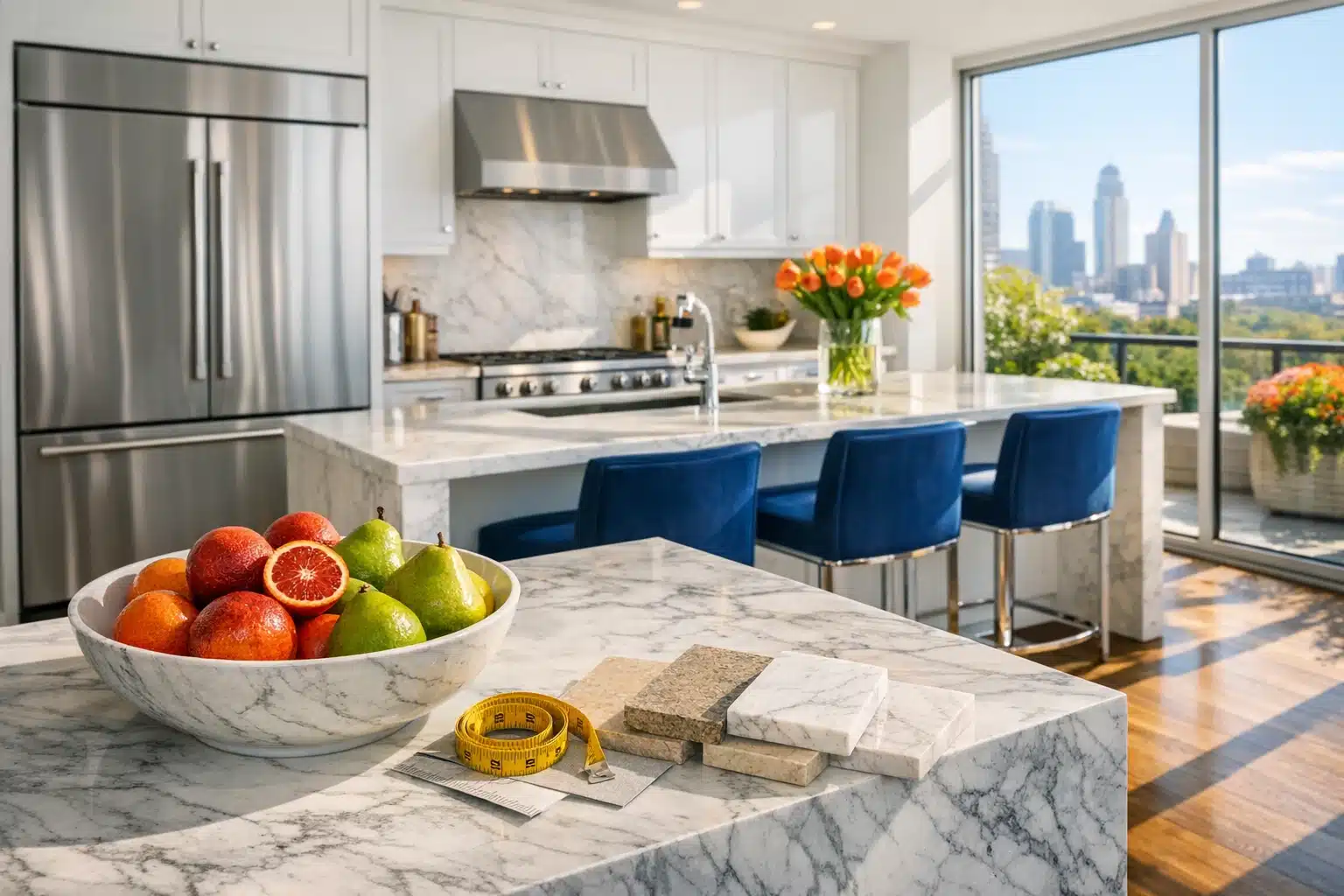
Kitchen islands have long been treated as the default sign of a modern kitchen, but that assumption is fading as homes shrink, renovation budgets tighten, and every square foot starts to matter. In their place, many homeowners are choosing peninsulas and other attached work surfaces that deliver prep space, seating, and storage without demanding wide walkways on every side. The change is practical, not faddish, and it reflects how people actually cook, move, and gather today.
Outline: 1. Why the classic island is losing ground in many real-world kitchens. 2. What is replacing it, with the peninsula as the clearest front-runner. 3. Why this layout works so well for flow, storage, seating, and cost control. 4. How it compares with islands, tables, and other compact alternatives. 5. What homeowners, renters planning upgrades, and remodelers should consider before committing to the change.
Why the Traditional Island Is Losing Its Grip
For years, the kitchen island was sold as the centerpiece of domestic life: a place to chop vegetables, spread out homework, set down groceries, and talk while dinner simmered. In large kitchens, it still does those jobs very well. The problem is that the island became a default recommendation even in rooms that were never generous enough to support it. What looks elegant in a showroom can feel clumsy in a narrow footprint, especially when two people are cooking, a dishwasher door is open, and someone is trying to reach the refrigerator at the same time.
One of the most practical reasons for the shift away from islands is circulation. Kitchen designers often refer to aisle clearance as the quiet hero of a good layout. The National Kitchen and Bath Association commonly recommends work aisles of roughly 42 inches for one cook and 48 inches for multiple cooks. Those dimensions are manageable in a spacious plan, but they can quickly consume the room in an apartment kitchen, a modest suburban remodel, or an older house with fixed walls. An island that is too large creates bottlenecks; an island that is too small often becomes decorative rather than genuinely useful.
Cost is another factor. A true island may require electrical work in the floor, extra cabinetry on all visible sides, larger countertop slabs, and more labor for finishing details. If a sink or cooktop is added, plumbing or ventilation can raise the budget further. Many homeowners have discovered that what seemed like a single feature is actually a bundle of expensive decisions.
There is also a lifestyle change behind the trend. People want kitchens that feel open, but they also want them to work hard. A compact room that allows a smooth path from stove to sink to fridge often feels better than a room dominated by a bulky centerpiece. In that sense, the island is not disappearing because it failed. It is being questioned because more homeowners now value flow over fantasy. The dream kitchen is no longer the one that photographs best. It is the one that lets real life pass through without a traffic jam.
What Is Replacing the Island? Meet the Peninsula and Its Smart Variations
The clearest replacement for the oversized kitchen island is the peninsula. A peninsula is a counter or cabinet run that projects from a wall, tall cabinet bank, or existing countertop rather than standing alone in the middle of the room. Think of it as a bridge instead of a floating platform. It still offers prep space, storage below, and seating along one edge if desired, but because one side is attached, it needs less surrounding clearance than an island. That simple structural difference is exactly why it is working so well in smaller homes.
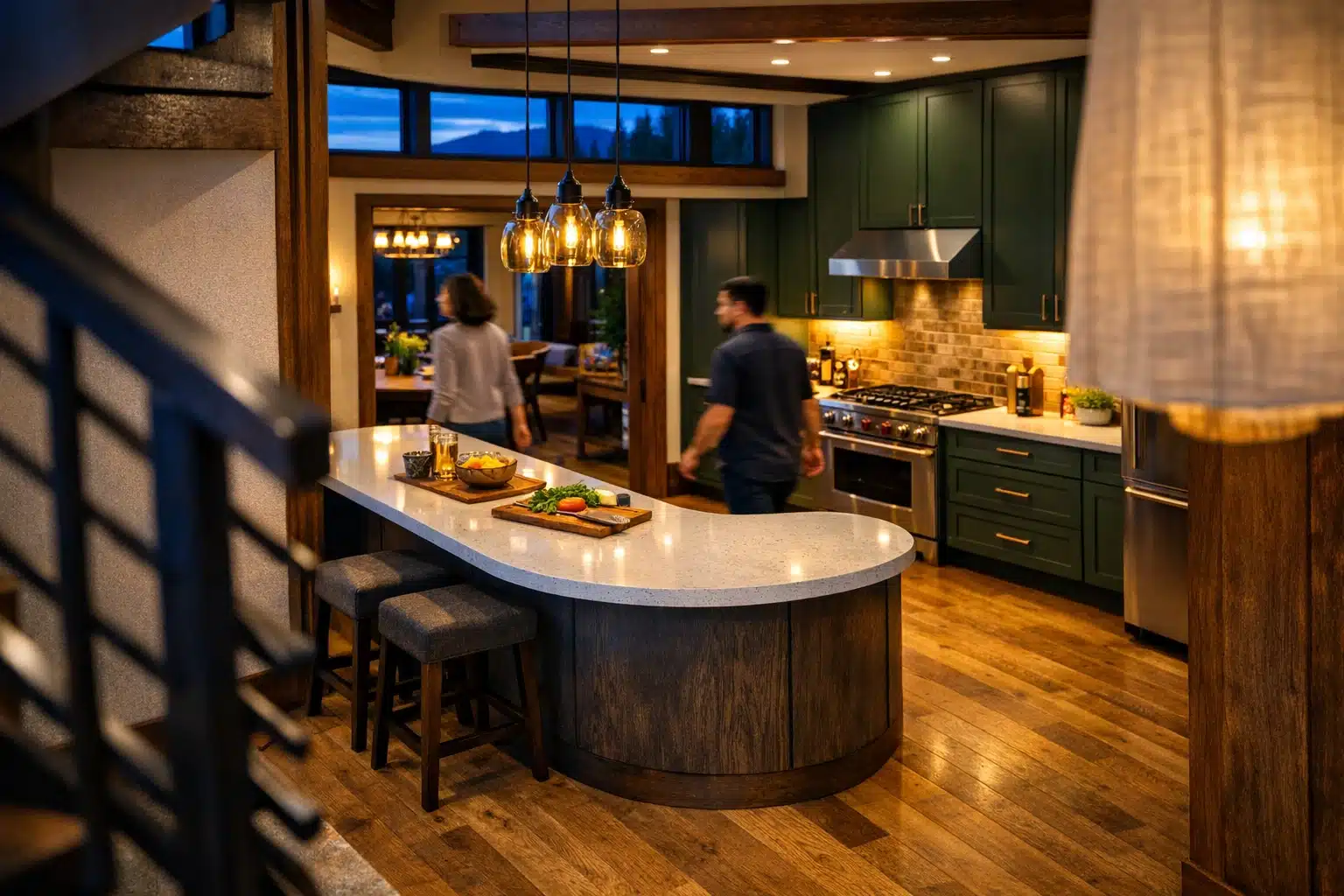
Peninsulas are not new, yet they are returning with fresh energy because current design priorities favor usefulness over habit. In many renovated kitchens, a peninsula creates an L-shape or U-shape that expands the work surface without swallowing the floor plan. It can divide the kitchen from a dining zone, define an open-plan room, or provide a casual breakfast perch. When done well, it feels almost like punctuation: not a wall, not a barrier, but a clean way of ending one zone and beginning another.
There are several versions of the trend:
• The classic peninsula attached to a perimeter run, often with seating for two or three.
• The table-peninsula hybrid, where a standard-height or counter-height surface extends from cabinetry and softens the look.
• A slim breakfast bar or ledge, useful when full-depth base cabinets would make the room feel heavy.
• A peninsula paired with open shelving or glass-front uppers to keep the space visually lighter.
Compared with an island, the peninsula gives up one accessible side but gains efficiency. That trade can be a win in kitchens where every inch matters. A freestanding island asks the room to revolve around it. A peninsula collaborates with the room instead. It helps complete the work triangle, can hide countertop clutter from the living area, and often delivers more continuous cabinetry than an island of similar size.
Other alternatives exist, including movable worktables and banquette-style dining corners, but the peninsula is the strongest answer when homeowners want the benefits of an island without the spatial demands. It is the calm, capable understudy that has quietly learned all the lines and is now taking center stage.
Why the Peninsula Works So Well in Everyday Kitchens
The success of the peninsula comes down to a simple truth: good kitchens are less about spectacle and more about movement. A peninsula works because it saves circulation space while preserving the functions people actually want. It creates a useful stopping point rather than a floating object that must be walked around from every direction. In smaller layouts, that change can make the entire room feel more composed.
First, it improves workflow. Because the peninsula connects to the main cabinetry, it often sits exactly where extra counter space is most helpful: near the sink, near the range, or at the edge of the serving zone. That means prep, plating, and cleanup happen in a tighter sequence. Instead of wandering around a large center block, the cook can pivot between stations. In practical terms, fewer steps can mean less fatigue and faster meal prep. This is especially valuable in family kitchens used multiple times a day.
Second, it adds storage without demanding so much floor space. Base cabinets within a peninsula are usually more straightforward to integrate than custom all-around island panels. That can translate into more drawers, better pantry overflow, or room for small appliances. For homeowners who are always deciding where the blender, mixing bowls, or lunch containers should live, that extra enclosed storage matters more than a dramatic centerpiece.
Third, it often reduces renovation complexity. Utilities are easier to manage when the new surface is attached to an existing run. Electrical access is typically simpler from an adjacent wall or cabinet line than from the middle of the floor. That does not make every peninsula cheap, but it can make the project less invasive and easier to stage during a remodel.
Fourth, it creates social function without overcommitting. Many households do not need a four-seat island every day; they need a place where one child can snack, a friend can lean with a cup of coffee, or groceries can land for five minutes. A peninsula handles that beautifully. It can offer:
• a quick breakfast edge
• a serving shelf during gatherings
• visual separation between kitchen mess and living space
• a comfortable perch for conversation without crowding the cook
In other words, the peninsula works because it matches the scale of ordinary life. It is efficient, adaptable, and surprisingly generous for something that asks for less room.
How It Compares With Islands, Dining Tables, and Other Compact Solutions
Choosing a peninsula does not mean an island is obsolete. It means the room should decide the layout, not the trend cycle. In a large kitchen, an island can still be the better option because it allows access from every side, supports multiple work zones, and can anchor a broad open plan. But in a tighter footprint, the peninsula often wins on practicality. The comparison becomes clearer when you look at the trade-offs closely.
An island offers freedom of movement around all four sides, which is useful for entertaining and multi-cook households. The downside is that it needs space on all four sides as well. A peninsula trims that requirement because one side connects to the main cabinetry. That makes it more efficient in rectangular rooms, galley-adjacent layouts, and kitchens that open into dining or living zones. It also helps define space in an open plan without building a full wall, which can be a major advantage in apartments and smaller houses.
A dining table is another alternative, and in some kitchens it is the most flexible choice. Tables can be moved, replaced, or used for everything from meals to crafts. However, they do not usually provide the same integrated storage, durable worktop continuity, or built-in visual order that a peninsula provides. A table says, “Use me for anything.” A peninsula says, “Here is where the kitchen ends and the rest of life begins.” Both are useful, but they solve different problems.
There are also important design details to consider. Seating on a peninsula generally needs proper knee space, and many designers aim for around 12 to 15 inches of overhang depending on stool style and support. Walkways still matter. Even with a peninsula, squeezing the aisle too tightly can make the room frustrating. Corners must be planned thoughtfully so base cabinets remain accessible rather than awkward.
The best choice often depends on priorities:
• Choose an island if you have the width, want full circulation, and need several people to gather comfortably.
• Choose a peninsula if you want more counter area, more storage, and clearer zoning in a smaller room.
• Choose a table or mobile work surface if flexibility matters more than built-in cabinetry.
Design, at its best, is not about picking the most fashionable answer. It is about choosing the shape that lets the room breathe.
A Practical Conclusion for Homeowners Planning a Smarter Kitchen
If you are planning a renovation and feel unsure about giving up the idea of an island, that hesitation is understandable. For a long time, the island represented modern living in one neat package. Yet the kitchens people enjoy most are rarely the ones that follow a checklist blindly. They are the ones that respect the room’s dimensions, support daily routines, and make ordinary tasks feel easier. For many households, the peninsula does exactly that.
Start by looking at how your kitchen functions now. Where do people collide? Which appliance doors block movement? Do bags, bowls, and mail end up piled in the same corner every day? Those clues matter more than inspiration photos. If your current layout feels cramped, a peninsula may deliver the counter space you wanted from an island while preserving the breathing room you actually need.
It is also worth thinking about who uses the room. A retired couple cooking together, a family with school-age children, and a single homeowner who entertains occasionally may all need different things. A peninsula is often a strong fit for people who want a multi-use edge without turning the kitchen into a maze. It can support quick meals, laptop time, serving during holidays, and extra storage while keeping the footprint disciplined.
Before committing, measure carefully and ask direct questions:
• Can doors, drawers, and appliances open fully?
• Is there enough room for a stool without blocking circulation?
• Would attached cabinetry solve storage problems more effectively than a freestanding block?
• Do you need a strong visual divider between kitchen and living space?
For the target audience here, namely homeowners, renovators, and anyone trying to make a modest kitchen feel more capable, the takeaway is simple. The space-saving trend replacing islands is usually the peninsula, sometimes softened by a table-like extension or slim seating ledge. It works because it concentrates the benefits people love, such as workspace, storage, and sociability, while cutting back on wasted circulation space and construction complexity. If your kitchen needs to perform more gracefully rather than merely look grand, this may be the smarter direction to take.