Cost-Efficient Modular Homes: A Complete Guide for Homebuyers
Modular homes have moved far beyond the old stereotype of plain boxes dropped on empty lots. For buyers squeezed by rising land prices, labor shortages, and unpredictable construction timelines, they offer a different path that deserves a close look. The real question is not whether they are cheaper in every case, but where they save money, where they do not, and how quality compares with conventional builds. This guide breaks down costs, design choices, financing hurdles, and everyday benefits so you can judge the numbers with clear eyes.
Outline
This article starts by clarifying what modular homes are and how they differ from other factory-built housing. It then examines the full cost picture, including land, transport, foundations, labor, and customization. After that, it looks at design flexibility and build quality, two areas where buyers often have outdated assumptions. The fourth part covers financing, appraisals, and insurance, which can shape affordability as much as sticker price. The final section weighs the main benefits and trade-offs to answer the central question: are modular homes actually a cost-efficient housing option?
- What modular homes are and why the distinction matters
- Real costs beyond the advertised base price
- Design choices, finishes, and quality expectations
- Mortgages, loans, appraisals, and insurance concerns
- Practical verdict for buyers focused on value
1. What Modular Homes Are and Why Buyers Are Paying Attention
Before comparing costs, it helps to define the product. A modular home is built in large sections, or modules, inside a factory and then transported to the building site for assembly on a permanent foundation. Once installed, it is typically treated much like a site-built home in terms of structure, use, and resale, provided local rules and construction standards are met. In the United States, modular homes generally follow state and local building codes, while manufactured homes follow the separate federal HUD code. That distinction matters because many buyers confuse the two, and the confusion can distort expectations about value, quality, and financing.
The appeal of modular construction comes from its process. Traditional building can feel like a relay race run in bad weather: materials arrive late, crews overlap poorly, rain slows progress, and each delay adds cost. Modular construction shifts much of that work indoors, where builders can standardize tasks, protect materials, and shorten timelines. Factory settings also allow better scheduling, which can reduce labor waste and limit mistakes caused by changing site conditions. In many cases, the modules are built while foundation work happens on the lot, compressing the overall schedule.
That faster timeline is one reason homebuyers are taking a second look. Another is affordability pressure. In many markets, site-built homes have become harder to budget because labor costs remain high and timelines stretch. Modular homes do not eliminate those pressures, but they can make the building phase more predictable. Predictability is not glamorous, yet it is often where savings begin.
Buyers are also drawn to the growing variety of models. The market now includes compact starter homes, family-sized ranch designs, two-story layouts, and even modern plans with open kitchens, higher ceilings, and energy-efficient envelopes. Common reasons people consider modular homes include:
- Shorter construction schedules than many site-built projects
- Potential savings through factory efficiency
- More controlled quality checks during fabrication
- Reduced weather-related delays and material exposure
- Access to customizable floor plans without fully custom-build pricing
Still, modular housing is not a magic discount button. A modest base model may look inexpensive on paper, but the final number depends heavily on land, utility access, local permits, transport distance, and finish choices. The smart buyer starts with a simple insight: modular homes are not automatically cheap, but they can be cost-efficient when the project is planned carefully and priced as a complete package rather than a showroom headline.
2. Understanding the Real Cost: Base Price, Site Work, and Hidden Budget Drivers
When buyers first explore modular homes, the most common surprise is that the advertised base price is rarely the full project cost. A builder may quote a price per square foot or a starting model price, but that number usually covers the home itself in a standard configuration, not the entire path to move-in readiness. To judge cost-efficiency honestly, you need to separate factory cost from total installed cost.
In many regions, modular homes may start around roughly 100 to 200 dollars per square foot for the structure and standard finishes, though prices can rise substantially for premium designs, difficult sites, or upscale interiors. Comparable site-built homes in the same market often run higher, sometimes in the 150 to 250 dollar range or more per square foot, depending on local labor rates and materials. Those figures are broad estimates, not universal rules, but they illustrate why modular housing enters so many affordability conversations.
The base home, however, is only one slice of the pie. Buyers should budget for several additional categories:
- Land purchase, if the lot is not already owned
- Site preparation, grading, excavation, and drainage work
- Foundation construction
- Delivery, transport permits, and crane set costs
- Utility hookups for water, sewer or septic, electricity, and gas
- Local permits, inspections, and impact fees where applicable
- Driveways, steps, porches, garages, and landscaping
- Upgrades to kitchens, flooring, roofing, windows, and fixtures
These costs can shift the total dramatically. A rural lot with easy access and existing utilities may keep the budget under control. A sloped site with rocky soil, a long transport route, and a new well or septic system can erase much of the factory savings. This is why modular housing rewards careful estimating more than impulse shopping.
There are still legitimate areas where modular homes can save money. Factory production may reduce material waste, improve labor efficiency, and cut weather-related losses. Shorter build schedules may also lower interim expenses such as construction loan interest, temporary housing, and repeated site visits. If the modules are finished quickly and the site is ready on time, the whole project can move with the rhythm of a well-rehearsed crew rather than the stop-and-start pattern common in conventional builds.
On the other hand, cost overruns usually come from customization creep. A buyer who begins with a modest three-bedroom design can steadily add premium cabinetry, luxury bathrooms, expanded decks, dormers, upgraded siding, smart-home systems, and garage space until the price resembles a traditional custom home. There is nothing wrong with upgrades, but they can blur the financial advantage.
The most reliable way to compare options is to ask every builder for the same thing: an all-in estimate that distinguishes factory price from on-site and post-delivery work. Without that full picture, “affordable” is just a pleasant word floating above a spreadsheet.
3. Designs and Quality: How Flexible and Durable Are Modular Homes?
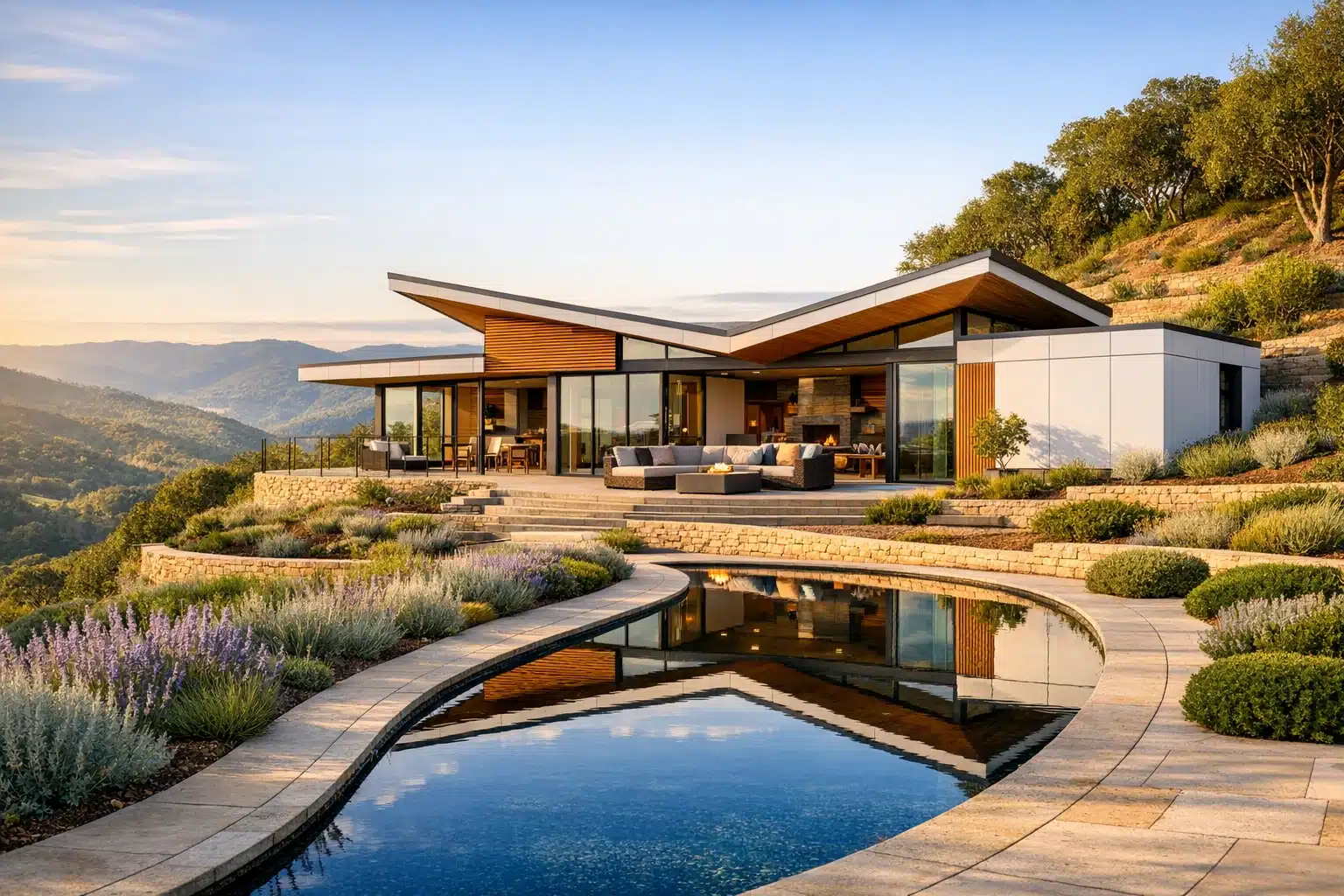
One of the oldest myths about modular housing is that design choices are narrow and quality is inherently lower. That view lingers from an earlier era, but the modern market is more varied. Many modular builders now offer multiple floor plans, exterior styles, rooflines, porch options, layout adjustments, and interior finish packages. Buyers can often choose between farmhouse, contemporary, craftsman, and traditional looks, and some companies allow significant modifications to room size, kitchen placement, storage design, and energy features.
That said, modular design works best when buyers understand the system behind it. Because homes are transported in large sections, there are practical engineering limits around module dimensions and how certain open spaces are framed. You can still create generous living rooms, islands, vaulted areas, and attached garages, but truly unconventional shapes may be easier and cheaper in a fully custom site-built project. In other words, modular construction offers flexibility within a structured menu, not limitless freedom at bargain prices.
Quality is where modular homes often outperform buyer expectations. Factory construction takes place in controlled indoor conditions, which means lumber, insulation, drywall, and fixtures are less exposed to rain or prolonged moisture during assembly. Standardized workflows can also support more consistent installation. Many builders use repeated quality checks at each production station, and the modules must be built robustly enough to handle transport and crane placement. That transport requirement can lead to structural assemblies that are stronger than some buyers assume.
Still, quality depends on the builder, not the label alone. A well-managed modular company can deliver impressive results; a careless one can produce the same frustrations found in any form of construction. Buyers should evaluate:
- Model home finish quality and fit details
- Warranty terms and service response
- Materials used in walls, roofing, windows, and cabinets
- Third-party reviews and local owner feedback
- Experience with permits, installation crews, and final site completion
Energy performance is another important angle. Many modular homes can be built with efficient insulation, sealed building envelopes, high-performance windows, and modern HVAC systems. Because energy bills affect long-term housing costs, this can improve overall value even if the upfront price is not the cheapest available.
For homebuyers, the practical takeaway is simple. Modular homes are not automatically basic, flimsy, or visually limited. They can be attractive, durable, and comfortable when the design matches the system and the builder has a strong record. The smartest approach is to judge a modular home the same way you would judge any major purchase: by materials, workmanship, transparency, and performance, not by outdated stereotypes.
4. Financing Modular Homes: Mortgages, Appraisals, Insurance, and Common Roadblocks
Even when a modular home looks competitively priced, financing can determine whether it remains affordable in real life. Buyers often assume the loan process will mirror a standard home purchase from day one, but modular projects usually involve a few extra steps because the home is built off-site and completed in stages. The good news is that permanent modular homes can often qualify for conventional mortgages, and in some cases for government-backed programs such as FHA, VA, or USDA loans, depending on location, borrower profile, and lender rules. The less convenient news is that not every lender handles these loans with equal ease.
A common structure is a construction-to-permanent loan. During the build phase, funds are released in stages to cover the home, site work, foundation, delivery, and installation. Once the house is complete and approved, the loan may convert into a standard mortgage. Some lenders also finance modular homes through a single-close product, which can reduce repeated fees. Because terms vary widely, buyers should compare:
- Interest rate during construction and after conversion
- Down payment requirements
- Closing costs and inspection fees
- Rate lock options if the project timeline extends
- Experience with land-home packages and factory-built projects
Appraisals are another key piece. For a modular home to appraise well, the lender and appraiser need appropriate comparable sales. In established neighborhoods with similar homes, this can be straightforward. In areas where modular housing is less common, the appraisal process may be slower or more conservative. That does not mean the home lacks value; it means the supporting sales evidence may be thinner. Buyers should work with builders and lenders who understand local market conditions and can help assemble clear documentation.
Insurance is usually similar to insurance for a site-built home once the structure is permanently installed, but rates still depend on location, construction details, weather exposure, and replacement cost. During transport and installation, coverage should be clarified carefully. A buyer should know who is responsible if damage occurs while the modules are on the road, waiting on site, or being set by crane.
The biggest financing mistake is chasing the lowest home price while overlooking the cash needed before move-in. Lenders may treat land, utility installation, access roads, septic systems, and other site improvements differently. Some buyers also underestimate the value of timing. A project delayed by permits or lot preparation can create carrying costs that nibble away at the expected savings.
If there is a secret to financing modular homes well, it is not cleverness; it is coordination. A lender familiar with modular construction, a builder who supplies complete documentation, and a realistic budget can turn what looks complex into a manageable process.
5. Benefits, Trade-Offs, and the Final Verdict: Are Modular Homes Actually Cost-Efficient?
For many homebuyers, modular homes are cost-efficient, but only under the right conditions. That answer may sound less thrilling than a simple yes, yet it is far more useful. A modular home can deliver meaningful value when the buyer has a suitable lot, reasonable site conditions, a builder with a solid reputation, and disciplined control over upgrades. In that situation, the savings from factory efficiency, reduced waste, and shorter timelines can be real. If the site is difficult, customization becomes expansive, or financing is poorly structured, the advantage can narrow quickly.
The benefits are substantial enough to explain the format’s staying power. Buyers often gain:
- Faster completion than many fully site-built homes
- More predictable construction scheduling
- Potentially lower labor-related costs
- Controlled factory conditions that support consistent assembly
- Strong resale potential when the home is well designed and properly installed
- Modern layouts and energy-efficient options without starting from scratch
There are also trade-offs, and they deserve equal attention. Transportation logistics can complicate delivery. Some rural or constrained lots are less suitable for large modules. Local zoning rules may limit placement or design. Builder networks can be narrower than the conventional market, which means choices may depend heavily on your region. And while customization exists, buyers looking for highly unusual architecture may discover that modular efficiency fades as structural complexity rises.
So, are modular homes actually a cost-efficient housing option? In many cases, yes, especially for buyers who value predictability, solid quality, and a shorter route from plan to front door. They are often most compelling for first-time buyers, downsizers, rural landowners, and households priced out of nearby site-built inventory. They can also work well for buyers who already own land and want a carefully managed build rather than a long, weather-exposed construction process.
The best way to decide is to compare total project budgets, not glossy brochures. Ask each builder for an itemized estimate, verify what is included, inspect sample workmanship, and speak with lenders early. Think in terms of lifetime housing value rather than opening-day price alone. A modular home is not automatically the cheapest road, but for the right buyer it can be the road with fewer detours, fewer budget shocks, and a smoother arrival.
If you are a homebuyer trying to stretch your money without settling for a lesser home, modular construction deserves a place on your shortlist. The right project can balance cost, speed, comfort, and durability in a way that feels less like compromise and more like smart planning.