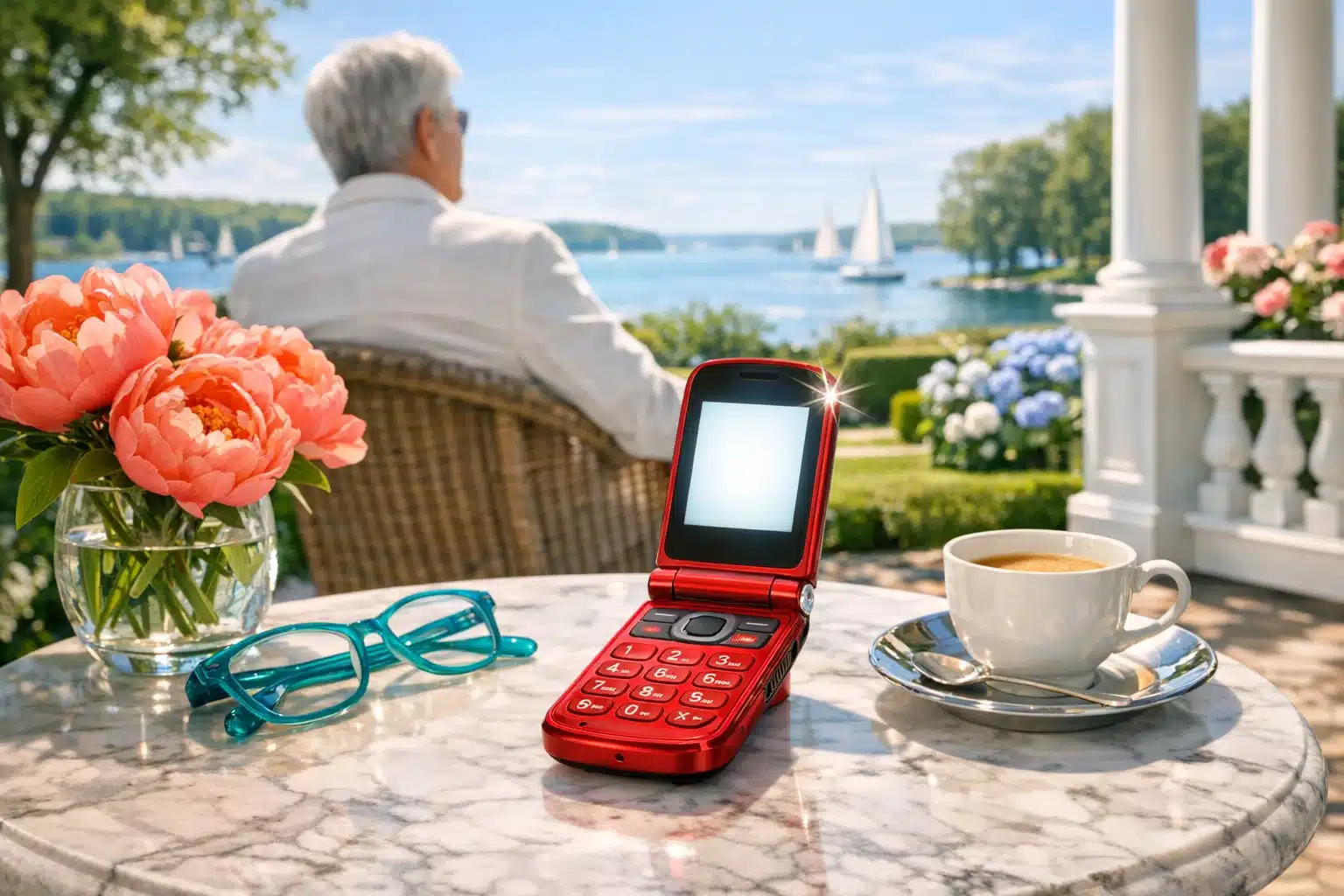
Walmart Phone Clearance Sales for Seniors: A Comprehensive Buyer’s Guide
Introduction and Article Outline: Why Senior Phone Deals Deserve a Closer Look
For many older adults, a phone is not a gadget trophy; it is a daily link to family, doctors, rides, reminders, and peace of mind. That makes Walmart clearance shelves surprisingly important, because a well-timed markdown can lower the cost of a practical device without forcing a buyer into a confusing high-end purchase. Add the popularity of easy-use models like the Jitterbug Flip, and the topic becomes more than a bargain hunt; it becomes a quality-of-life decision.
Senior shoppers often approach phone buying with a different set of priorities than younger buyers. A flashy camera or gaming processor usually matters less than clear call quality, readable text, simple navigation, long battery life, and a plan that does not trigger monthly frustration. Walmart is relevant here because it carries a wide mix of prepaid phones, unlocked devices, accessories, and budget-friendly options from major brands. It also frequently marks down older inventory to make room for new releases, which can create real value if the buyer understands what is actually being discounted.
Before diving into model names and prices, it helps to map the road ahead. This article follows a practical outline so that the shopping process feels less like wandering through a maze and more like walking a well-lit path.
- How Walmart phone clearance sales typically work and why timing matters.
- Which features seniors should prioritize before buying any discounted phone.
- How the Jitterbug Flip compares with other easy-use phones often found at mass retailers.
- What hidden details to check, including carrier locks, batteries, return policies, and activation rules.
- A final checklist designed for seniors and family members helping with the purchase.
There is also an emotional side to this topic that should not be ignored. A good phone can reduce isolation, support independence, and make emergencies less intimidating. A bad one can sit in a drawer, barely charged, like a tiny monument to buyer’s remorse. That is why clearance shopping should never mean careless shopping. The goal is not simply to spend less; it is to choose a phone that fits real life, real hands, real hearing, and real habits. With that in mind, the sections below turn a broad retail topic into a usable buyer’s guide.
How Walmart Phone Clearance Sales Work for Seniors
Walmart phone clearance sales can look simple at first glance, but the details matter. In many stores and on the Walmart website, discounted phones appear for several different reasons: seasonal inventory changes, discontinued color variants, older model years, packaging updates, or promotions tied to specific carriers. A clearance tag does not always mean the phone is outdated in a bad way. Sometimes it simply means the retailer wants shelf space for newer products. For a senior who mainly wants dependable calling and texting, that can be excellent news.
One useful distinction is the difference between in-store clearance and online listings. In-store clearance prices can be especially attractive, but selection may be limited and uneven from one location to another. One Walmart may have multiple prepaid flip phones on markdown, while another may have almost none. Online listings offer broader visibility, but buyers should read carefully because some items are sold directly by Walmart and others by third-party marketplace sellers. That affects shipping, returns, support, and sometimes even whether the device is new, open-box, or refurbished.
Senior shoppers and family caregivers should pay close attention to the sales language. A phone described as prepaid may require activation with a specific carrier such as Tracfone, Straight Talk, AT&T Prepaid, or Verizon Prepaid. An unlocked phone gives more freedom, but it may cost more upfront. Clearance pricing also may depend on whether activation is included in the purchase. In other words, the sticker price is only the first layer of the story.
- Check whether the phone is carrier-locked or unlocked.
- Confirm if the listed price requires same-day activation.
- Look at return deadlines, especially for clearance electronics.
- Verify whether the phone supports modern 4G LTE and VoLTE calling.
- Read whether accessories such as charging cables or batteries are included.
That last point is more important than it may sound. Since older 3G networks have largely been retired in the United States, a very old bargain phone may not be practical if it lacks current voice network support. A senior buyer should avoid the trap of seeing a low price and missing a compatibility issue. It is also wise to compare the total ownership cost. A phone on clearance for a modest amount can still become expensive if it pushes the buyer into a monthly plan that does not fit usage habits.
The smartest Walmart clearance strategy is to treat the sale as an opportunity, not an automatic answer. Take a photo of the model number, check compatibility, compare plan terms, and read reviews from buyers who mention call volume, menu simplicity, and battery experience. A few extra minutes at the decision stage can save months of irritation later.
What Seniors Should Look for in a Clearance Phone
Not every cheap phone is a good senior phone. That may sound obvious, yet it is the central lesson of sensible bargain hunting. A well-priced device becomes valuable only when it is easy to use, easy to hear, easy to charge, and easy to trust. Seniors often benefit from a shortlist of practical features rather than a long list of technical jargon. Think of it this way: a phone should feel like a helpful tool, not like a locked puzzle box that demands a weekly sacrifice of patience.
Start with visibility. A bright screen, large text options, and clear menus can make a huge difference for users with reduced vision. Some flip phones and simplified smartphones offer big icons, strong contrast, and customizable font size. Next comes physical comfort. Many seniors prefer large tactile buttons over flat touchscreens, especially if arthritis or reduced finger dexterity is part of daily life. A phone that can be opened easily, held securely, and dialed without precision tapping deserves extra attention.
Sound quality is equally important. Look for loud speakers, adjustable call volume, and hearing-aid compatibility where possible. Reviews often reveal whether a phone sounds crisp in real settings such as a moving car, a busy kitchen, or a room with television noise. Battery life also matters more for seniors than marketing brochures sometimes admit. A phone used mainly for calls can often last much longer than a fully featured smartphone, which is a major advantage for people who do not want to recharge every evening.
- Large buttons or large on-screen controls.
- Simple menus with limited clutter.
- Strong speaker and ringtone volume.
- Reliable battery life and straightforward charging.
- Emergency calling options or quick-dial favorites.
- A durable design with a case available at a reasonable price.
It is also smart to think about how the phone will be used in daily routines. If the user mostly calls family and receives reminders, a flip phone may be ideal. If video calls, maps, pharmacy apps, or medical portal access are important, a budget smartphone might serve better despite a steeper learning curve. Walmart clearance bins sometimes include both types, which makes comparison worthwhile.
Another overlooked factor is plan complexity. Some seniors use only a few minutes and texts each week, while others rely on mobile service as their main household phone. A discounted device paired with a complicated or expensive plan can quickly lose its appeal. Buyers should estimate real monthly needs before focusing on hardware. Finally, consider support. A phone with clear printed instructions, widely available tutorials, and family familiarity is easier to live with than a technically impressive model nobody knows how to troubleshoot. Practical confidence beats spec-sheet glamour nearly every time.
Jitterbug Flip Phone on Sale: Easy to Use for Seniors, but Is It the Right Fit?
The Jitterbug Flip phone has built its reputation around simplicity, and that reputation explains why so many seniors and caregivers look for it during sales. The appeal is easy to understand. Instead of asking the user to learn a dense smartphone layout, the Jitterbug approach focuses on large buttons, readable menus, straightforward calling, and a design that feels familiar. Many older adults who feel uneasy about modern touchscreens are more comfortable with a flip phone that answers, ends calls, and stores contacts without drama.
In current discussions, shoppers often mean the Jitterbug Flip2, a model associated with Lively service. Its strongest selling points usually include a simplified interface, louder audio than many entry-level phones, a bright display, voice-centric use, and optional health and safety services through the service provider. For seniors who want something closer to a traditional phone than a miniature computer, that formula can be reassuring. It is the technological equivalent of a sturdy kitchen chair: not flashy, not trendy, but welcome exactly where it stands.
Even so, buyers should compare the Jitterbug carefully against other clearance options at Walmart or similar retailers. A generic prepaid flip phone from Tracfone, Nokia, TCL, or another brand may cost less upfront, especially during a clearance event. Some of those phones support basic talk and text very well. However, they may have smaller keys, less intuitive menus, weaker speakers, or less senior-focused customer support. The Jitterbug often earns its place by reducing friction rather than by winning a pure hardware contest.
- The Jitterbug Flip can be a strong fit for seniors who mostly call, text lightly, and value simplicity.
- It may be less suitable for users who want broad app access, frequent web browsing, or advanced camera use.
- Its overall value depends not only on sale price but also on service-plan costs and included features.
That last point is crucial. A phone can be on sale and still be the wrong value if the required service plan does not fit the buyer’s needs. Seniors should compare monthly charges, talk and text allowances, activation fees, and any optional add-on services. Some families gladly pay more for extra support or wellness features; others prefer the lowest recurring bill possible. There is no universal answer.
Another practical issue is availability. The Jitterbug may not appear in every Walmart location, and listings can vary by region or by marketplace seller. If you do find a sale, verify that the device is new, compatible with the intended service, and covered by a clear return policy. The Jitterbug Flip is popular for good reasons, but popularity should lead to thoughtful comparison, not impulse buying. For the right senior, it can be a calming, confidence-building choice. For someone who needs apps, maps, or video calling every day, a simple smartphone may be the smarter long-term purchase.
How to Compare Deals, Avoid Mistakes, and Choose with Confidence
Once a senior shopper has narrowed the field to a few options, the final step is not to rush but to compare like a careful detective. Clearance shopping can create urgency, and urgency often invites mistakes. The most common error is focusing only on the discount instead of the complete package. A phone should be judged by purchase price, monthly cost, ease of use, compatibility, support options, and expected lifespan. When those pieces line up, a deal becomes meaningful. When they do not, the bargain is only decorative.
Begin with a side-by-side checklist. If two phones are close in price, compare them on the features that matter most to the senior using the device. One phone may have better sound, while another offers an easier charging dock. One may require a specific prepaid carrier, while another works unlocked with more plan flexibility. Caregivers should also think about who will help with setup. A familiar operating system can save time and frustration later.
- Compare total cost over 12 months, not just the sticker price.
- Test readability by increasing font size in the demo settings if possible.
- Ask whether the phone accepts hearing aids well and whether the ringtone is loud enough.
- Review the return window before leaving the store or ordering online.
- Check whether a case, charger, and replacement accessories are easy to find.
It also helps to plan for the first week after purchase. Can the senior import contacts easily? Are emergency contacts simple to assign? Is voicemail setup straightforward? A phone that passes the store test but fails the first-week test may still end up abandoned. That is especially true for buyers who feel nervous about technology to begin with.
Conclusion for Senior Shoppers and Family Caregivers
For seniors, the best phone sale is not necessarily the lowest price on the shelf. It is the one that delivers comfort, clarity, and confidence every single day. Walmart phone clearance sales can be a smart place to look, especially for budget-conscious buyers who want a reliable flip phone, a modest prepaid option, or a simpler device without premium pricing. The Jitterbug Flip deserves attention because it reduces complexity for many older users, but it should still be weighed against plan costs and real needs.
If you are buying for yourself, choose the phone that feels easiest to understand today and still usable six months from now. If you are helping a parent or grandparent, focus on the phone they will actually answer, charge, and keep nearby. A thoughtful purchase may not feel dramatic in the moment, yet it can quietly improve independence, connection, and peace of mind. In the end, that is what a good senior phone is really for.