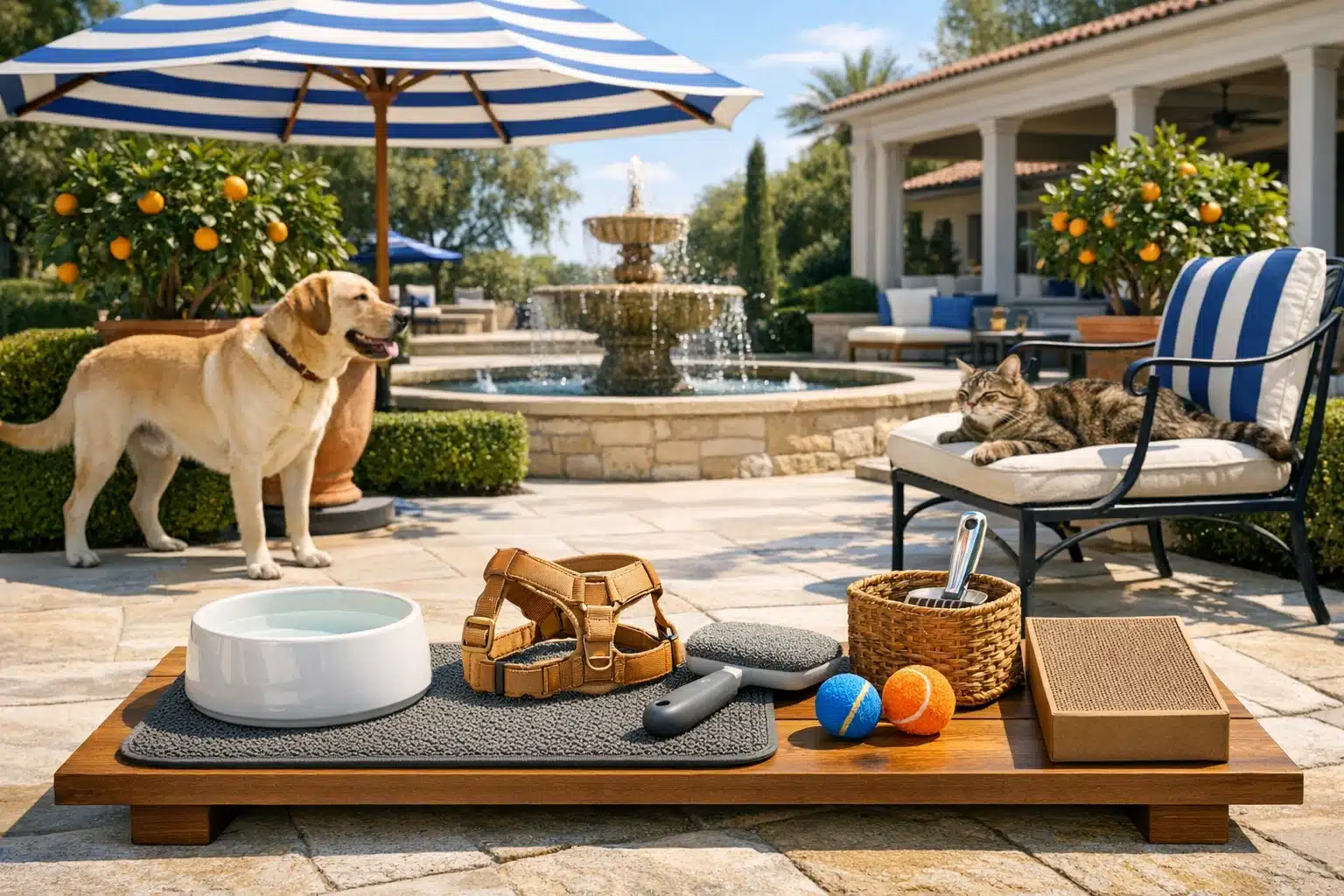
Affordable Dog and Cat Supplies Available at Walmart Clearance – A Complete Guide
Keeping a dog or cat comfortable does not have to mean paying full price for every bowl, brush, toy, or refill that lands in your cart. Walmart clearance can be useful for pet owners who want room in the budget for routine care without turning shopping into guesswork. In this guide, you will see how clearance pricing often works, which items are most worth tracking, how to compare quality quickly, and when to walk away from a flashy markdown. A little strategy can turn a random clearance shelf into a reliable source of value.
Article Outline
- How Walmart clearance for pet supplies usually works and why prices change
- Affordable dog items that often make sense to buy on clearance
- Cat supplies worth watching closely for discounts and practical savings
- Ways to evaluate quality, safety, sizing, packaging, and shelf life
- Shopping habits, timing, and price-checking methods that help stretch a pet budget
Understanding Walmart Clearance for Pet Supplies
Walmart clearance is not simply a pile of random leftovers. In many cases, it reflects inventory decisions that happen when stores reset aisles, bring in new seasonal products, change packaging, discontinue a size, or clear out items that did not move as quickly as expected. For pet owners, that matters because the reason behind the markdown can tell you whether a product is still a smart buy. A winter-themed dog sweater in March may be discounted because the season has passed, while a pack of treats might be marked down because the best-by date is getting closer. Those are very different situations, and a careful shopper should treat them differently.
It also helps to understand the difference between clearance and an ordinary price drop. A regular sale or temporary rollback usually means the item is still part of the normal assortment. Clearance often signals that the product is on its way out, which can be good news if it is something nonperishable like a leash, litter mat, grooming glove, or stainless steel bowl. These items do not depend on freshness, and they can offer strong value when the markdown is meaningful. Discounts vary by store, region, and season, but many shoppers look for reductions in the 15 percent to 50 percent range before feeling that a purchase is truly worthwhile. Deep cuts can happen, especially on holiday-themed pet apparel, novelty toys, or packaging that a retailer no longer wants to carry.
The most useful mindset is to treat clearance like a filter, not a finish line. A yellow tag does not automatically equal savings. Instead, ask why the item is there, whether your pet will actually use it, and how it compares to the standard shelf price or online alternatives. A cat owner might find a discounted scratching pad that makes sense because scratchers wear out regularly, while a huge plush dog bed may be a poor deal if it is difficult to wash or too small for the breed at home.
- Nonperishable basics often make safer clearance buys than consumables with short shelf life.
- Store-specific markdowns can differ, even within the same chain.
- Packaging changes can create good deals on otherwise unchanged products.
- Clearance value improves when the item solves a routine need, not an impulse desire.
Think of the clearance aisle as a thriftier version of a treasure map. Some spots hold gold, some hold glitter, and learning the difference is what turns casual browsing into smart shopping.
Dog Supplies That Often Offer the Best Value
Dog owners usually get the best results from clearance shopping when they focus on repeat-use essentials rather than novelty purchases. Items such as bowls, poop bag dispensers, grooming brushes, harnesses, chew toys, washable pads, and basic bedding can all appear on clearance, and many of them remain useful long after the packaging changes. For example, a stainless steel water bowl discounted because the label design changed is often a safer value than a heavily scented dog treat nearing its best-by date. One is almost unaffected by time; the other depends on freshness, ingredient quality, and how quickly your dog can consume it.
Toys are one of the most common dog categories worth checking. Clearance shelves often hold rope toys, plush animals, squeakers, rubber balls, and chew items tied to holidays or promotional themes. The key is matching the toy to your dog’s play style. A strong chewer may destroy a soft plush toy in minutes, which makes even a 70 percent discount a weak bargain. By contrast, a clearance rubber fetch toy from a trusted product category may last much longer and deliver better value per use. Leashes and collars can also be worthwhile, especially when they are made from durable nylon, feature solid stitching, and fit your dog’s size and pulling habits. Always inspect hardware closely. If the clasp feels flimsy or the seams look stressed, leave it behind.
Beds and crates can offer dramatic savings, but they require the most judgment. A clearance bed is only affordable if it fits your dog properly, supports easy washing, and does not flatten after a week. Likewise, a crate accessory such as a pad or cover can be a smart find, but only when dimensions are right. Buying a large item just because it is marked down often leads to clutter, not savings. Grooming products fall into the middle ground. Brushes, nail grinders, and combs can be excellent clearance purchases because they are durable tools, while shampoo and dental chews deserve a quick label check for ingredients and dates.
- High-value dog clearance categories often include bowls, brushes, leashes, and durable toys.
- Moderate-value categories include beds, pads, and apparel, where fit matters more.
- Use caution with treats, supplements, and any item your dog consumes regularly.
If you shop with your dog’s habits in mind, the clearance section becomes less like a carnival game and more like a practical supply stop. The best purchase is not the cheapest object on the shelf. It is the item your dog will use safely, comfortably, and often.
Cat Supplies Worth Watching on Clearance
Cat owners can find strong bargains on clearance, but the winning categories are a little different from dog supplies. Cats tend to be particular, and that means a good deal only works when it respects their preferences. A discounted litter box accessory, scratching surface, tunnel, wand toy, or food mat may be a success, while a heavily scented litter or unfamiliar treat could be ignored completely. Cats are famous for rejecting expensive purchases with the calm confidence of tiny household critics, so clearance shopping should be guided by known behavior rather than wishful thinking.
One of the most practical categories to watch is scratching gear. Cardboard scratchers, angled pads, scratching lounges, and replacement inserts can show up on clearance when packaging changes or shelf space gets reorganized. Since scratching surfaces wear down through normal use, buying an extra one at a lower price makes sense for many households. Feeding accessories are another good area. Silicone mats, ceramic bowls, elevated dishes, and storage containers can all be solid finds when marked down. In general, ceramic and stainless steel bowls are easier to keep odor-free than soft plastic alternatives, which can develop scratches over time. For that reason, a clearance bowl made from better material may offer more long-term value than a cheaper full-price option made from lower-quality plastic.
Toys can be trickier. Wand toys, kicker toys, catnip mice, and crinkle balls often go on clearance, especially after seasonal promotions. These can be great picks if your cat already likes similar textures and movement. However, novelty electronic toys may be less reliable bargains if they require rare batteries, look fragile, or have poor build quality. Litter-related items deserve a close look as well. Mats, scoops, liners, and disposal systems may be practical buys, but litter itself should only be stocked up when the type matches your cat’s routine. A cat that strongly prefers one texture may protest a new variety, and any savings can disappear if the purchase goes unused.
- Good cat clearance targets include scratchers, bowls, mats, carriers, and basic toys.
- Be selective with consumables such as treats, wet food, and litter varieties.
- Choose products that match habits your cat has already shown at home.
For cat households, clearance success often depends on understanding personality as much as price. When the purchase fits the cat, the savings feel satisfying. When it does not, even a steep markdown can turn into a dusty monument to optimism.
How to Tell a Good Deal from a Bad One
A genuine bargain solves a need at a lower cost without creating a new problem. That sounds simple, yet clearance shopping tests that principle constantly. The fastest way to judge value is to combine three checks: price, condition, and usefulness. Start with the actual markdown. If a pet brush is only slightly cheaper than its standard shelf price, the clearance label may not matter much. If the same brush is heavily reduced and still in excellent condition, it deserves a second look. Price alone should never win the argument. A damaged zipper on a pet carrier, a dented can, torn packaging, or a toy with missing pieces changes the equation immediately.
Consumable items require even more discipline. Treats, canned food, dental chews, wet cat food, supplements, and some grooming products all deserve a date check before they go into the cart. A shorter shelf life is not automatically a bad sign if you plan to use the item soon, but it does remove the advantage of stocking up. Packaging integrity matters too. Seals should be intact, ingredient labels should be readable, and anything that looks exposed to moisture or contamination should be skipped. If you buy food or treats on clearance, only do so when the product matches your pet’s normal diet and there is enough time to use it responsibly.
Durability is another deciding factor. A leash with metal hardware, a firmly stitched harness, or a stainless steel bowl usually gives you something tangible to inspect. Test snaps, look at seams, check for sharp edges, and imagine the item after several months of use. A cheap cat tree may still be a poor purchase if it wobbles, sheds material, or feels unstable in the store. Likewise, pet beds should be judged by stitching, removable covers, and washability. A low price does not compensate for an item that cannot survive one cleaning cycle.
- Check expiration dates and packaging on anything edible or topical.
- Inspect hardware, seams, fabric strength, and stability on gear and furniture.
- Compare the markdown with regular pricing online or elsewhere in the store.
- Ask whether the item meets a real need or just feels exciting in the moment.
A useful rule is this: buy like a caretaker, not like a collector. Pets need dependable supplies, not a pile of clearance trophies. When you evaluate products with calm attention, the good deals stand out clearly and the weak ones lose their sparkle.
Timing, Tools, and Shopping Habits That Stretch Your Budget
Even the best clearance shelves become more useful when paired with good shopping habits. Timing is one of the biggest advantages. Pet supplies often cycle through seasonal patterns, and that means certain categories are easier to find after demand has cooled. Holiday bandanas, costumes, themed toys, cooling mats after summer, and winter pet apparel after cold-weather promotions are common examples. Practical everyday items may appear whenever stores reset shelves or discontinue a line, so frequent but brief check-ins often work better than rare marathon shopping trips. A ten-minute pass through the pet aisle can be more effective than an hour of unplanned browsing.
Digital tools also help. Many shoppers compare prices through store apps, product scans, or quick online searches while standing in the aisle. That matters because some clearance tags look more dramatic than they are. If a discounted cat carrier is still priced close to a better-reviewed standard model online, the supposed bargain weakens. Likewise, a large bag of dog treats may seem economical until you compare unit price, ingredient quality, and how quickly your dog can realistically finish the bag. For bulky items such as litter, pee pads, or beds, unit cost and storage space should be considered together. Saving a little money on a giant item that creates storage frustration is not always the win it first appears to be.
Building a simple personal system can make clearance shopping more consistent. Keep a short list in your phone of what your dog or cat truly uses, what sizes fit, which materials you prefer, and what price point feels worthwhile. This prevents those classic purchases that look clever in the store and confusing at home.
- Track routine needs such as litter scoops, replacement bowls, grooming tools, and waste bags.
- Set rough target prices for common purchases before you shop.
- Buy duplicates only for items your pet already likes and uses regularly.
- Leave room in the budget for quality food and core health expenses.
The smartest clearance habit is restraint. A small, well-chosen haul beats a cart full of questionable markdowns. When pet owners combine timing, price checks, and a clear list of needs, Walmart clearance can become a practical supplement to regular shopping rather than a gamble. That is where the real savings live: not in chasing every tag, but in choosing the right ones.
Conclusion for Budget-Minded Pet Owners
If you care about both your pet’s comfort and your monthly spending, Walmart clearance can be a helpful part of your shopping routine. The best approach is simple: focus on real needs, inspect products carefully, compare prices honestly, and stay selective with food, treats, and anything tied to freshness. Dog owners may find especially good value in bowls, leashes, brushes, and durable toys, while cat owners often do well with scratchers, mats, feeding accessories, and familiar play items. Clearance works best when it supports what your pet already uses rather than tempting you into random experiments. In the end, the goal is not to buy more. It is to buy better, spend less where it makes sense, and keep your home stocked with practical supplies that genuinely improve daily life for your dog or cat.