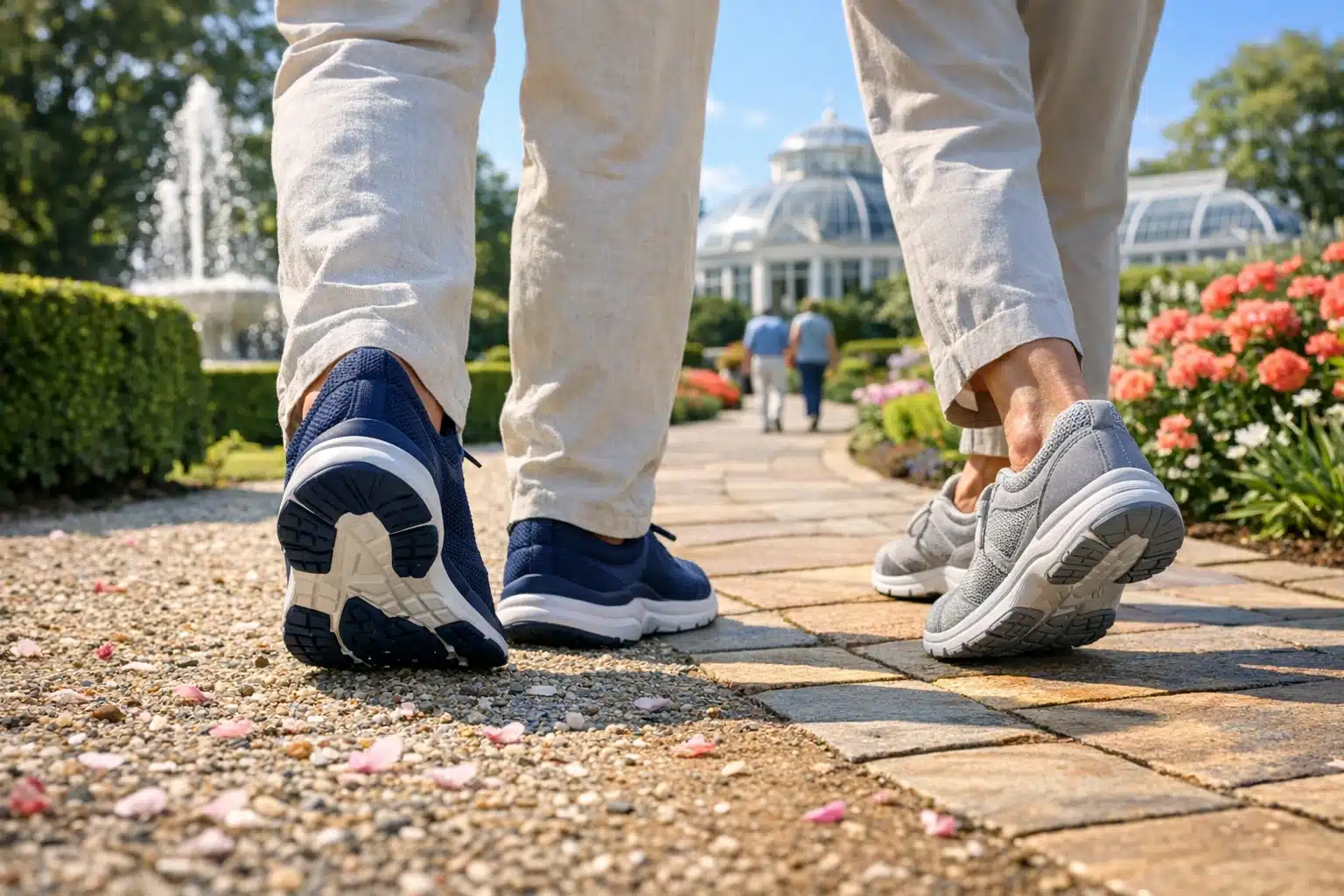
Best Orthopedic Walking Shoes for Seniors: A Practical Guide
The right walking shoe can make an ordinary trip to the mailbox feel easier instead of exhausting, especially when aging feet start asking for more support. Seniors often deal with bunions, arthritis, swelling, balance changes, and heel pain, which makes footwear part comfort item and part mobility tool. This guide explains the features that matter most, from cushioning and stability to fit and sole design. If the shoe aisle feels crowded with promises, the sections ahead turn the choice into something clearer and more practical.
Understanding Senior Foot Needs and the Roadmap for Choosing Well
Before comparing specific shoe features, it helps to understand why senior footwear deserves special attention. Feet change with age in ways that are small at first and surprisingly important over time. The fat pads under the heel and forefoot may thin, the arch can flatten, toes may drift or curl, and joints affected by arthritis often become less forgiving. In practical terms, that means a shoe that felt fine ten years ago may now feel stiff, narrow, unstable, or oddly tiring. For older adults, comfort is not a luxury detail. It is closely tied to confidence, walking tolerance, and fall prevention.
One useful way to approach the topic is to stop asking for the single best orthopedic walking shoe and start asking for the best match. A supportive shoe for a senior with overpronation and knee pain may be a poor choice for someone with diabetic neuropathy who needs a deeper toe box and fewer interior seams. Likewise, a very soft shoe can feel pleasant in the store but may lack the stable base needed for uneven pavements or long errands. The most practical shopping mindset is to treat footwear like equipment: it should suit the body, the routine, and the surfaces a person actually walks on.
Outline for the rest of this guide: • first, the features that matter most in orthopedic walking shoes • second, the common shoe categories and how they compare • third, the fitting process and the mistakes that lead to returns or sore feet • fourth, a simple buying plan built around real senior concerns such as swelling, bunions, balance issues, heel pain, and daily walking habits. This outline is more than a reading map. It is also a shopping checklist that helps cut through vague claims on product pages.
There is another reason this topic matters. Falls are a major cause of injury in older adults, and footwear plays a role in how securely the foot contacts the ground. Shoes that are too loose, too slippery, too heavy, or too unstable can contribute to missteps. At the same time, orthopedic does not have to mean bulky or unattractive. Many current walking shoes blend cushioning, removable insoles, wider sizing, and stable midsoles without looking medical. That is good news, because people are far more likely to wear shoes regularly when the shoes feel natural and fit their everyday style.
By the end of this article, the goal is not to hand every reader the same answer. The goal is to make the decision easier, more rational, and better aligned with senior foot health. A thoughtful shoe choice can reduce pressure, improve walking comfort, and support independence one steady step at a time.
Features That Separate a Helpful Orthopedic Walking Shoe from an Ordinary Sneaker
The phrase orthopedic walking shoe gets used loosely, so it helps to know which features genuinely matter. The first is a supportive midsole. This is the layer between the upper and the outsole, and it has a huge influence on comfort. A good midsole absorbs impact without collapsing too quickly under body weight. Very plush foam may feel wonderful for five minutes, yet seniors often do better with cushioning that combines softness with structure. The sweet spot is usually a shoe that softens the landing while still keeping the foot centered rather than letting it wobble side to side.
The second key feature is stability. Look for a firm heel counter, which is the part wrapping around the back of the shoe. When you gently press it, it should resist folding. That firmness helps limit excessive heel movement and gives the rearfoot a steadier platform. A broad base can also help, especially for people who feel uncertain on uneven ground. Stability becomes even more important for seniors with mild balance concerns, weak ankles, or knees that dislike twisting.
Toe box shape matters more than many shoppers realize. Older feet often need more room, not just more length. A narrow front can rub bunions, crowd hammertoes, and increase pressure on nails and joints. A rounded or foot-shaped toe box gives the toes space to spread naturally during walking. That can reduce friction and make longer walks less tiring. For people dealing with swelling, extra-depth shoes or models available in wide and extra-wide widths are often far more useful than simply buying a longer size.
Several other features deserve a place on the shortlist: • removable insoles for custom orthotics or added depth • a sole that bends at the forefoot rather than in the middle • reliable outsole traction for tile, pavement, and grocery store floors • low step-in height or easy closures such as Velcro for people with limited hand strength • breathable materials for heat and moisture control. If the user has sensitive skin or diabetes-related foot concerns, smooth interior linings and minimal seams are especially valuable.
One feature that sounds technical but can be helpful is a rocker sole. This design slightly curves the sole to encourage a rolling motion from heel to toe. Some seniors with forefoot pain, arthritis in the big toe joint, or limited ankle motion find it reduces effort during walking. Others feel unsteady in it. That is why trying the shoe on and walking in it matters more than trusting a label. The best orthopedic features are not the fanciest ones; they are the ones that solve the right problem without creating a new one.
Comparing the Main Types of Orthopedic Walking Shoes for Seniors
Not every orthopedic walking shoe is built for the same job, and this is where comparison becomes useful. Broadly speaking, senior shoppers will encounter cushioned neutral shoes, stability shoes, motion-control shoes, extra-depth comfort shoes, and casual walking shoes with orthopedic design elements. Each category has strengths and trade-offs. Understanding them makes the search much faster than browsing dozens of similar-looking products and hoping the right pair jumps off the page.
Cushioned neutral walking shoes work best for seniors who want softness and do not need major control against inward rolling of the foot. They are often lighter and more flexible, which can make daily walking feel smoother. These shoes frequently appeal to seniors with general fatigue, thinning foot padding, or mild heel discomfort. The limitation is that some neutral shoes are so soft that they lack a secure platform for people with balance concerns. A plush feel should never come at the cost of stability.
Stability shoes add moderate support features through the midsole and heel area. For many seniors, this is the most practical middle ground. They provide more control than neutral shoes without the rigid feel of motion-control designs. Seniors with mild to moderate overpronation, tired arches, or knees that feel better with better alignment often do well here. If a shoe category had a quiet workhorse reputation, stability footwear would probably earn it.
Motion-control shoes are more structured and are usually best for severe overpronation, flatter feet, or heavier wearers who compress softer shoes quickly. These can be excellent for control, but they may feel too firm or heavy for some users. The trade-off is clear: more correction often means less flexibility. That is not automatically bad, yet it should match a real need rather than a vague assumption that firmer always means better.
Extra-depth and stretch-friendly orthopedic shoes are especially helpful for bunions, hammertoes, edema, and custom orthotics. These models typically offer deeper interiors, wider size ranges, and forgiving uppers that reduce pressure. They may not look as sleek as athletic walkers, but for many seniors they are the difference between tolerable and wearable. Meanwhile, casual orthopedic walking shoes with slip-on or hook-and-loop closures can be ideal for people with limited hand mobility, though they still need to hold the heel securely.
A quick comparison checklist can help: • choose cushioned neutral for general comfort if stability is already good • choose stability for all-purpose support and mild alignment help • choose motion-control when strong structure is clearly needed • choose extra-depth or stretch uppers for deformities, swelling, or orthotics • choose easy-closure models when independence in dressing matters as much as comfort. In short, the best orthopedic shoe for a senior is not the one with the loudest marketing. It is the one whose structure matches the foot beneath it and the life wrapped around it.
How to Get the Right Fit and Avoid the Mistakes That Make Good Shoes Feel Bad
A well-designed walking shoe can still fail if the fit is off, and many seniors end up blaming the shoe when the real issue is sizing, timing, or testing. Feet often swell as the day goes on, so trying on shoes in the afternoon or evening usually gives a more realistic fit than shopping first thing in the morning. Wear the socks you plan to use most often, and bring orthotics or inserts if you rely on them. A shoe that fits barefoot in a store can become cramped once real-life layers are added.
Length is only one part of fit. Width and volume are just as important, especially for seniors with bunions, edema, or thickened nails. There should be enough room in front of the longest toe to avoid constant pressure during stride, but the heel should remain secure instead of slipping. A common mistake is sizing up for width. That can create extra length, causing the foot to slide and increasing the risk of rubbing or tripping. If width is the problem, a wide or extra-wide option is usually the better fix.
Testing a shoe should involve more than standing still. Walk on hard flooring if possible. Pay attention to whether the shoe bends naturally at the ball of the foot, whether the heel feels planted, and whether the arch support feels helpful rather than intrusive. Here is a sensible mini-test: • walk forward at normal pace • turn in a small circle • rise slightly onto the forefoot • stop suddenly and notice whether the foot slides forward • check for rubbing around bunions, toes, and the Achilles area. A shoe that passes this basic test is far more promising than one chosen only by appearance.
Another frequent mistake is believing every shoe needs a painful break-in period. Minor adjustment is normal, but persistent pressure points, numbness, or heel slippage are warning signs, not milestones. Seniors with diabetes, neuropathy, or circulation issues should be especially cautious because they may not feel irritation early enough. In those cases, daily foot checks and professional guidance are wise. It is also smart to inspect the inside of the shoe with your hand before wearing it; a wrinkle, seam, or loose insole can become surprisingly irritating during a walk.
Finally, think about the walking environment. Shoes for indoor use may need less aggressive tread than those used on sidewalks or park paths. A heavy outsole can feel secure outdoors yet tiring for all-day wear. Shopping for shoes is a bit like choosing tires: the best set depends on where the journey usually happens. When the fit is right, the body notices almost immediately. The walk feels quieter, the stride smoother, and the mind less distracted by every step.
Practical Buying Advice and Conclusion for Seniors Choosing Their Next Pair
Once the features and fit basics are clear, the final step is matching the shoe to daily life. Seniors who walk mostly indoors on smooth floors may prioritize light weight, easy entry, and non-slip rubber over rugged tread. Those who spend time on sidewalks, driveways, or parks may need more outsole grip and a broader base. A person with plantar heel pain often benefits from cushioning under the heel and steady arch support, while someone with bunions may care more about width, soft uppers, and low-pressure seams. The practical question is always the same: where does the foot need relief, and what part of the shoe can provide it?
Health conditions can also shape the decision. For arthritis, a rocker-style sole and reduced forefoot pressure may help some walkers move more comfortably. For swelling, adjustable closures and deeper shoes are often more forgiving than rigid lace-ups with limited volume. For neuropathy or diabetic foot concerns, smooth interiors, extra depth, and professional advice become more important than trendy design. For balance worries, a stable platform, secure heel hold, and dependable traction may matter more than maximum softness. None of these needs are unusual, and that is worth remembering. Many senior shoppers assume their feet are difficult when, in reality, their shoes have simply stopped matching their bodies.
Budget matters too, but value should be judged by wear time and comfort rather than price alone. An inexpensive pair that causes rubbing, fatigue, or reduced walking time is not a bargain. A moderately priced shoe that lasts well, supports inserts, and feels good on regular errands may offer better long-term value. Replacement timing also counts. If the outsole is worn unevenly, the midsole feels packed down, or the shoe twists too easily compared with when it was new, support has likely faded even if the upper still looks presentable.
A short senior-focused buying checklist can simplify the final decision: • choose the correct width before adding length • test shoes later in the day • bring your usual socks and inserts • favor secure heel hold over loose slip-on comfort • check traction on the surfaces you use most • replace pairs that have lost structure even if they still look decent. These steps are simple, but they prevent a large share of avoidable discomfort.
For seniors, the best orthopedic walking shoe is the one that respects both the foot and the routine. It should cushion without wobbling, support without squeezing, and make everyday movement feel more approachable. A good pair will not solve every source of pain, but it can remove many of the small barriers that make walking less pleasant. When shoes fit well and work with the body instead of against it, daily life often opens up a little more, one comfortable outing at a time.