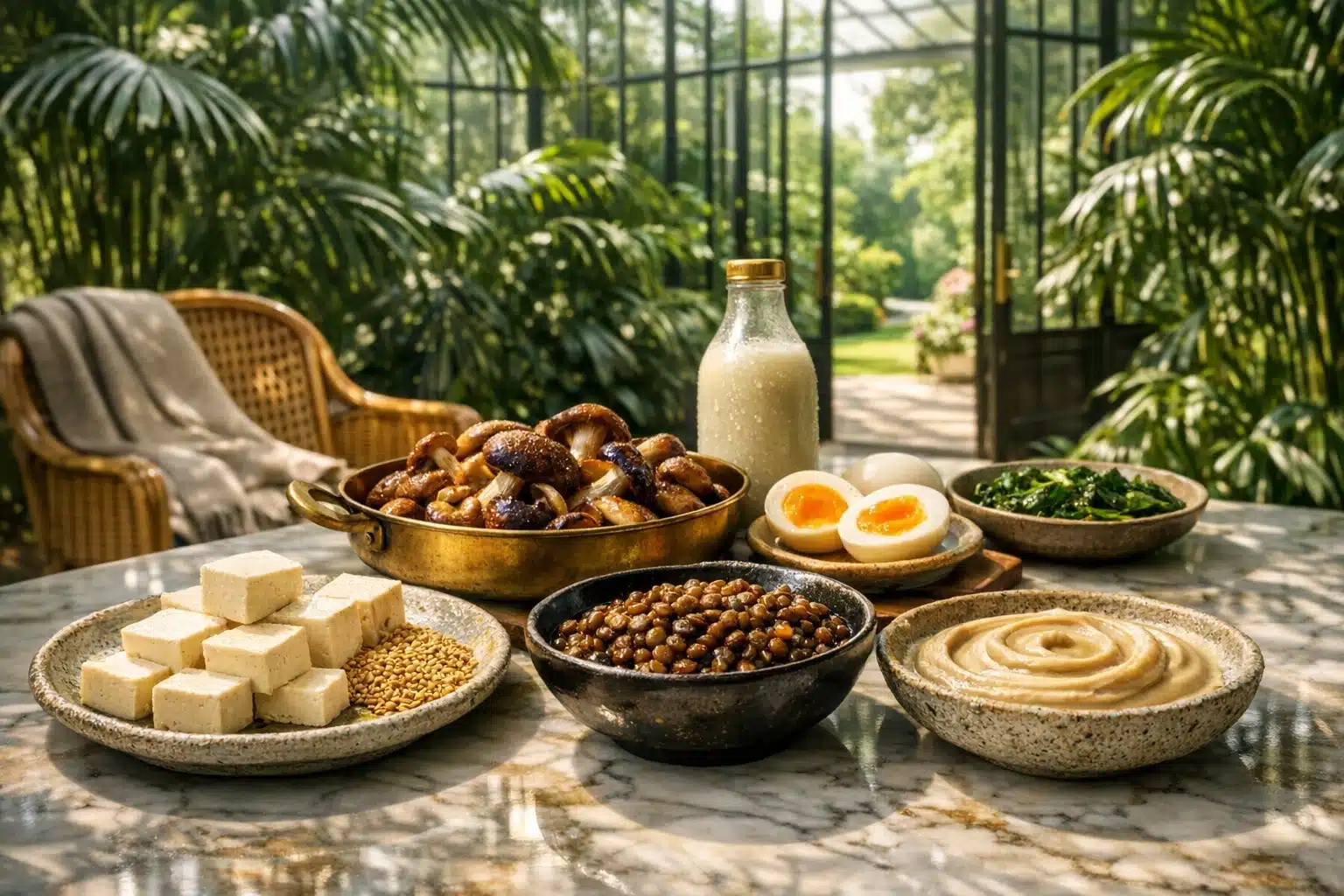
10 Foods Seniors Should Eat For Stronger Bones
Introduction: Why Bone Strength Deserves a Place at the Table
Bones are living tissue, and in later life they deserve the same steady care as the heart, muscles, and mind. After age 50, many adults begin to lose bone faster than they rebuild it, which raises the risk of fractures, pain, and a slower recovery from everyday falls. Food cannot stop aging, but it can give the skeleton the raw materials it needs. This guide looks at 10 practical foods that can help seniors support bone density, balance, and long-term mobility.
When people think about strong bones, calcium usually takes center stage, and for good reason: roughly 99 percent of the body’s calcium is stored in bones and teeth. But bones are not built by calcium alone. Vitamin D helps the body absorb calcium. Protein supports the framework of bone tissue. Magnesium, phosphorus, potassium, and vitamin K all play supporting roles, quietly doing the work behind the curtain. That is why a bone-friendly eating pattern looks more like a team effort than a single star performer.
For many seniors, the topic is especially relevant. Appetite can change with age, chewing may become harder, digestion may shift, and some medications can affect nutrient absorption. Less time outdoors may also reduce vitamin D production from sunlight. Add in reduced muscle mass and a greater chance of falls, and bone health becomes less of an abstract wellness goal and more of a daily quality-of-life issue. A strong skeleton helps people stay independent, confident, and active enough to enjoy ordinary pleasures, whether that means gardening, walking the dog, carrying groceries, or lifting a grandchild.
This article follows a clear roadmap so it is easy to use:
– First, it explains why bone health changes with age.
– Next, it covers the first group of foods that deliver calcium and other key minerals.
– Then, it moves into high-value protein and vitamin D choices.
– After that, it explores foods that support bones in less obvious but meaningful ways.
– Finally, it shows how seniors can combine these foods into realistic meals and habits.
Think of the body as a house that has stood through many seasons. The frame may still be solid, but it benefits from regular maintenance, the right materials, and attention before problems become expensive. In that spirit, the foods below are not miracle items. They are dependable building supplies. Eaten consistently, they can help support stronger bones and optimal health in a way that feels practical rather than punishing.
1 to 3: Yogurt, Canned Salmon or Sardines, and Leafy Greens
The first three foods on this list are classics for a reason. They deliver nutrients that bones use every day, and they do so in forms that many seniors can add to meals without much fuss. Food number one is yogurt. A cup of plain yogurt often provides a substantial amount of calcium, commonly around 250 to 400 milligrams depending on the brand and style. Greek yogurt usually offers more protein, while traditional yogurt may be slightly looser and easier for some people to eat. Yogurt is also useful because it can be gentle, cool, and simple to pair with fruit, oats, or nuts. For seniors with smaller appetites, that matters. A few spoonfuls can carry a lot of nutritional value.
Food number two is canned salmon or sardines with the bones included. This is one of the most efficient bone-support foods available. The small edible bones are soft after processing and packed with calcium. Sardines are particularly impressive, and a modest serving can provide well over 300 milligrams of calcium, along with protein and vitamin D. Canned salmon with bones also brings omega-3 fats, which are often discussed in relation to heart health but fit nicely into an overall healthy aging diet. Compared with yogurt, fish offers less convenience as a snack, but it provides the rare combination of calcium, protein, and vitamin D in one savory package.
Food number three is leafy greens, especially kale, collards, and bok choy. These vegetables add calcium, vitamin K, and potassium, with very few calories. They are especially useful for seniors who want to diversify beyond dairy. A helpful comparison is spinach versus kale. Spinach contains calcium, but it is also high in oxalates, natural compounds that reduce how much calcium the body can absorb. Kale and bok choy are generally better choices for bone nutrition because more of their calcium is bioavailable. In other words, the body can make better use of it.
Practical ways to use these foods are simple:
– Stir yogurt with berries and cinnamon for breakfast.
– Mash sardines onto whole-grain toast with lemon and pepper.
– Add canned salmon to a salad or potato dish.
– Sauté kale or collards with olive oil and garlic until tender.
These first three foods also work well together. A senior who eats yogurt at breakfast, salmon at lunch, and greens at dinner has already created a solid nutritional base for the day. Bone support does not have to arrive dressed like a strict diet. Often it looks more like ordinary food, chosen with just a little more intention.
4 to 6: Fortified Milk or Soy Milk, Calcium-Set Tofu, and Eggs
Foods four through six show that bone nutrition can be flexible. Not every senior enjoys the same foods, tolerates lactose, or wants meat at every meal. That is where fortified beverages, tofu, and eggs become especially valuable. Food number four is milk, including fortified dairy milk or fortified soy milk. A typical cup often supplies about 300 milligrams of calcium, and many versions also include vitamin D. Cow’s milk naturally provides protein, while fortified soy milk comes closest to dairy in protein content among common plant-based options. Almond and oat drinks may be fortified too, but they often contain less protein, so reading the label matters. For bone support, the strongest choice is not always the trendiest carton on the shelf; it is the one that reliably delivers calcium, vitamin D, and ideally some protein.
Food number five is calcium-set tofu. This ingredient deserves more attention, especially for older adults who want a softer texture or a plant-based meal option. Tofu made with calcium sulfate can provide a meaningful amount of calcium, sometimes 250 to 400 milligrams in a half-cup serving, though the exact number varies by brand. It also offers protein, which helps preserve muscle. That matters because strong bones and strong muscles work as partners. Better muscle function can help reduce falls, and fewer falls mean fewer opportunities for fractures. Tofu can be cubed into soups, crisped in a pan, blended into sauces, or added to stir-fries with greens.
Food number six is eggs. Eggs are not major calcium sources, but they support bone health in a different way. The yolk contains vitamin D, and the whole egg provides high-quality protein. One large egg offers about 6 grams of protein, making it a practical food for seniors who need easy, affordable nourishment. Compared with canned fish, eggs provide less vitamin D and almost no calcium, but they are often cheaper, more familiar, and easier to prepare. A scrambled egg with vegetables may be more realistic on a tired morning than a full cooked meal.
These foods are useful because they adapt to real life:
– Milk or fortified soy milk can go into oatmeal, smoothies, or soups.
– Tofu works well when chewing tougher meats feels inconvenient.
– Eggs can be boiled in advance for quick meals or snacks.
The larger lesson here is that bone-friendly eating does not require one perfect menu. It requires enough of the right nutrients spread across the week. Fortified drinks help cover calcium and vitamin D. Tofu adds a soft, protein-rich option with bonus calcium. Eggs provide structure to meals and support overall nutrition. For seniors who like simple food with clear benefits, this group is dependable and surprisingly versatile.
7 to 10: Beans and Lentils, Almonds and Sesame, Prunes, and UV-Exposed Mushrooms
The last four foods on this list do not always headline bone health articles, but they deserve a seat at the table. Food number seven is beans and lentils. They are not the richest calcium sources compared with dairy or canned fish, yet they contribute magnesium, potassium, phosphorus, and plant protein, all of which support the broader nutritional picture that bones depend on. Black beans, white beans, chickpeas, and lentils can also make meals more filling, which helps seniors who need steady energy without relying heavily on processed foods. White beans, in particular, contain more calcium than many people expect. Compared with tofu, legumes usually bring less calcium per serving, but they offer fiber and are often very budget-friendly.
Food number eight is almonds and sesame, including tahini. Almonds provide magnesium, a mineral linked to bone structure, along with some calcium and healthy fats. Sesame seeds and tahini can add another small but helpful calcium boost. These foods are best understood as supporting players rather than the whole orchestra. You would not rely on almonds alone to meet daily calcium needs, but a sprinkle over yogurt or cooked greens turns a decent meal into a stronger one. For seniors who snack between meals, nuts can be a more nutrient-dense choice than crackers or sweets.
Food number nine is prunes. They may seem old-fashioned, but research has renewed interest in them. Some studies in postmenopausal women suggest that regularly eating prunes may help support bone health markers, possibly due to their combination of vitamin K, potassium, boron, fiber, and antioxidant compounds. The evidence is still developing, so prunes are not a medical treatment, but they are a smart addition to a bone-conscious diet. An extra benefit is digestive comfort, which many older adults appreciate.
Food number ten is mushrooms exposed to ultraviolet light. These mushrooms can provide vitamin D2, making them useful for people who get limited sun exposure or eat less fish. Levels vary widely, so labels are important. Their earthy flavor fits into soups, omelets, and grain bowls without much effort.
A simple way to remember this group is to think beyond calcium alone:
– Beans and lentils help build a strong nutritional base.
– Almonds and sesame add minerals in compact portions.
– Prunes offer a rare mix of bone and digestive support.
– UV-exposed mushrooms help fill the vitamin D gap.
If the earlier foods are the sturdy beams and bricks, these four are the skilled finishing tools. They sharpen the overall plan, broaden meal choices, and help seniors avoid the trap of repeating the same two foods every day. Variety is not just pleasant; it makes good nutrition easier to sustain.
Conclusion: How Seniors Can Turn These 10 Foods Into a Bone-Smart Routine
Knowing which foods help is useful, but daily habits are what shape long-term results. For seniors, the most effective approach is not to chase a perfect meal plan for three days and then give up. It is better to create a repeatable routine that covers calcium, vitamin D, protein, and supporting minerals across breakfast, lunch, dinner, and snacks. This keeps the process manageable and reduces the chance that bone health becomes one more overwhelming wellness chore.
A simple day might look like this: yogurt with prunes and chopped almonds at breakfast, a lunch salad topped with canned salmon and kale, and a dinner built around tofu, beans, or eggs with cooked greens and mushrooms. A glass of milk or fortified soy milk can round out the day if calcium intake is still low. This kind of pattern does not require gourmet cooking. It relies on a handful of dependable ingredients that can be mixed and matched. Seniors who live alone may especially benefit from this strategy because it cuts down on complicated recipes and reduces waste.
There are also a few practical points worth keeping in mind:
– Spread calcium-rich foods through the day rather than packing them into one meal.
– Pair calcium sources with vitamin D foods when possible.
– Include enough protein, since bones and muscles age together.
– Choose textures that are easy to chew, such as yogurt, tofu, eggs, soft fish, and cooked vegetables.
– Ask a doctor or dietitian about supplements if food intake is limited or if osteoporosis has already been diagnosed.
It is also important to see bone health as part of a bigger picture. Regular walking or other weight-bearing activity, strength training suited to personal ability, not smoking, and moderating alcohol all support the work that good food begins. Nutrition lays the foundation, but movement teaches the body to keep using it. Even small habits matter. A bowl of yogurt, a side of greens, a few prunes, or a serving of salmon may seem humble on their own, yet over time they add up like coins in a jar.
For seniors, stronger bones are not only about numbers on a scan. They are about staying upright, self-reliant, and ready for ordinary life. The 10 foods in this article offer a practical path toward that goal. Start with two or three you already enjoy, build from there, and let consistency do the quiet work that fads never can.