 Artificially generated image
 These Dog Breeds Are Great Companions for Seniors
A good dog does not fill a home with noise so much as it fills quiet corners with presence, and for many seniors that presence can be deeply reassuring. Adoption can bring routine, companionship, and a gentle reason to step outside each day. The real secret is choosing a dog whose age, temperament, and care needs suit a calm household. When the fit is thoughtful, the relationship often feels less like a big adjustment and more like a steady new friendship.
Outline of This Article
Before looking at breeds, adoption steps, and day-to-day care, it helps to know how this guide is organized. Dog adoption for seniors is not just a matter of finding a cute face at a shelter. It is a practical decision that touches health, mobility, budget, housing, and emotional well-being. A clear outline keeps the process manageable and makes the topic less overwhelming, especially for readers who want dependable information instead of vague advice.
This article unfolds in five connected parts:
– First, it introduces the central idea: seniors often benefit most from dogs that thrive in calm, predictable homes rather than highly active environments.
– Second, it explains why companionship from a dog can be meaningful in later life, including emotional comfort, daily structure, and light physical activity.
– Third, it compares dog types that may suit older adults well, with a focus on temperament, size, grooming needs, and trainability rather than popularity alone.
– Fourth, it covers the adoption process itself, including shelter visits, foster-to-adopt options, realistic expenses, and questions worth asking before bringing a dog home.
– Fifth, it looks at how to build a stable life together after adoption, from routine and veterinary care to backup plans and long-term support.
Throughout the piece, one idea stays at the center: the best dog for a senior is not necessarily a puppy, a purebred, or the smallest dog in the room. In many cases, a middle-aged rescue dog with a settled personality can be the better choice. A relaxed mixed breed may fit beautifully. A larger dog with a gentle nature may be easier to walk than a tiny dog that pulls and darts. Good matches come from honest comparison, not guesswork.
This roadmap is useful because adoption can be emotional. One pair of soft eyes can make people forget important questions about stairs, medication schedules, veterinary bills, or future support. A little planning helps protect both the person and the animal. In that sense, the outline is not just structure for the article; it mirrors the thoughtful approach that often leads to the happiest adoptions.
Why a Well-Matched Dog Can Improve Daily Life for Seniors
For many seniors, companionship is not a luxury; it is part of living well. Retirement can change social rhythms, adult children may live far away, and neighborhoods sometimes become quieter over time. In that setting, a dog can bring a comforting kind of presence. There is someone to greet in the morning, someone to talk to while making tea, and someone whose needs gently shape the day. That kind of connection can feel grounding, especially for people who live alone.
Research often links pet companionship with reduced feelings of loneliness and greater day-to-day engagement, although outcomes vary from person to person. Dogs can also encourage light movement. A short walk around the block, a trip into the yard, or even regular feeding and grooming tasks can add useful activity to the week. Public health guidance for older adults often emphasizes consistent movement rather than intense exercise, and a calm dog can support that pattern in an approachable way. The effect is not magical, but it can be meaningful.
There are practical emotional benefits as well. Dogs live in the moment. They do not ask for polished conversation, impressive plans, or social performance. They ask for breakfast, a little patience, and a familiar voice. That simplicity can be refreshing. A leash by the door becomes a small promise that the day still has shape.
At the same time, the benefits depend on suitability. A dog that is too energetic, too strong, or medically demanding can add strain rather than comfort. That is why adoption for seniors should focus on lifestyle matching instead of broad claims like “all small dogs are easy” or “puppies bring energy to the home.” Sometimes the calmer, older dog is the true gift.
Some of the most common advantages seniors mention include:
– A steadier daily routine
– Gentle motivation to move
– Emotional comfort during quiet hours
– More social contact with neighbors, walkers, and veterinarians
– A renewed sense of purpose through caregiving
Still, it is wise to see both sides. Dogs need food, preventive care, patience, and contingency planning. The goal is not to adopt from loneliness alone, but to create a partnership that is rewarding for both lives. When expectations are realistic, the companionship can be deeply fulfilling without becoming burdensome.
Calm Breeds and Better Adoption Matches for Steady Homes
The title of this article mentions breeds, and breed tendencies can be helpful, but temperament matters more than labels alone. Two dogs of the same breed can behave quite differently depending on age, training, socialization, and health. For seniors, the strongest matches are often dogs with moderate or low energy, manageable size, sociable temperaments, and care needs that fit the household. In many cases, adult and senior rescue dogs deserve more attention than puppies because their personalities are already visible.
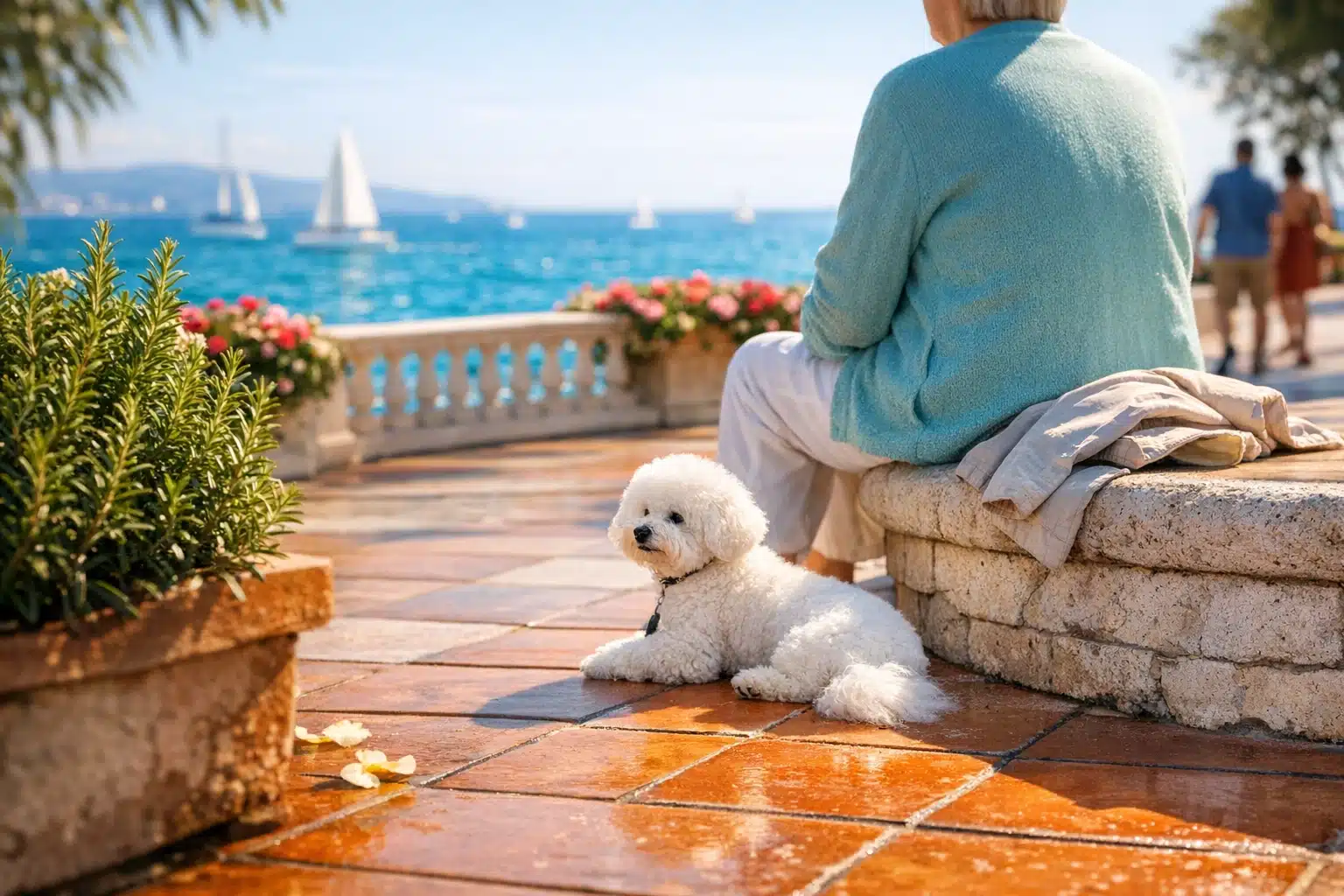
Small companion breeds are often appealing because they are easier to lift, easier to transport, and usually require less physical strength to manage. Dogs such as the Cavalier King Charles Spaniel, Shih Tzu, Maltese, and Bichon Frise are frequently praised for affectionate temperaments and adaptability to apartment or slower-paced living. Toy and small dogs, however, are not automatically simpler. Some can bark frequently, become under-socialized, or need regular grooming that adds cost and scheduling.
Miniature or small Poodles can be excellent for seniors who want an intelligent, trainable dog and do not mind routine coat care. For those who prefer a dog that is calm rather than tiny, retired racing Greyhounds are often overlooked. They are larger, but many are famously content with short walks and long naps. Their quiet indoor style can suit peaceful homes surprisingly well. On the other hand, breeds developed for nonstop work, such as Border Collies or young Huskies, may be a difficult fit for older adults seeking steadiness.
It is also important to compare adoption choices beyond breed names:
– Puppies are charming, but they need house-training, supervision, and frequent trips outside.
– Adult dogs often have established habits, known energy levels, and more predictable personalities.
– Senior dogs may be especially suitable for seniors because they are often calmer and less demanding.
– Mixed breeds can be wonderful companions and may offer balanced temperaments without the premium price sometimes attached to specific breeds.
When evaluating a dog, focus on practical questions. Does the dog pull on the leash? Is it comfortable being handled? How does it react to visitors, elevators, or other animals? Does it settle after excitement, or stay intensely keyed up? A shelter staff member or foster volunteer can often provide this information.
Good breed candidates for many seniors may include:
– Cavalier King Charles Spaniel for gentle companionship
– Shih Tzu for apartment-friendly living
– Bichon Frise for cheerful temperament
– Miniature Poodle for intelligence and trainability
– Greyhound for quiet indoor habits
– Well-mannered mixed-breed adults for balanced lifestyles
The best advice is simple: choose the dog in front of you, not the stereotype in your head. A calm, middle-aged rescue with kind eyes and easy manners may suit a senior far better than a fashionable breed chosen from a list.
How Seniors Can Adopt Wisely and Prepare for the Real Costs
A successful adoption starts long before the dog comes home. It begins with honest self-assessment. Seniors should consider mobility, stamina, travel habits, housing rules, and support systems. A person who enjoys two short walks a day may do well with a mellow companion breed or older mixed-breed dog. Someone with arthritis in the hands may need a dog that walks gently on leash. A senior living in a building with many stairs may want to avoid a dog that needs carrying or one that cannot manage steps comfortably.
The adoption route matters too. Municipal shelters, rescue organizations, breed-specific rescues, and foster networks all work differently. Foster-based rescues can be especially helpful because the dog has already been observed in a home, which may reveal whether it is house-trained, quiet at night, friendly with visitors, or anxious when left alone. Foster-to-adopt programs are also worth exploring, since they allow seniors to test compatibility before making a permanent commitment.
Costs should never be treated as a minor detail. Adoption fees often range from modest to moderate amounts depending on region, age of the dog, and included services. Many shelters include vaccinations, microchipping, and spay or neuter surgery in the initial fee, which can make adoption more affordable than buying from a breeder. Ongoing expenses are the more important calculation. Food, routine veterinary care, parasite prevention, grooming, dental work, bedding, leashes, toys, and occasional emergency treatment all add up.
Useful questions to ask before adopting include:
– How old is the dog, and is that age verified or estimated?
– What is known about its behavior in a home setting?
– Does it have any chronic medical condition or medication need?
– Has it shown leash reactivity, separation stress, or guarding behavior?
– Is it comfortable with older adults, guests, and quiet routines?
– What happens if the placement does not work?
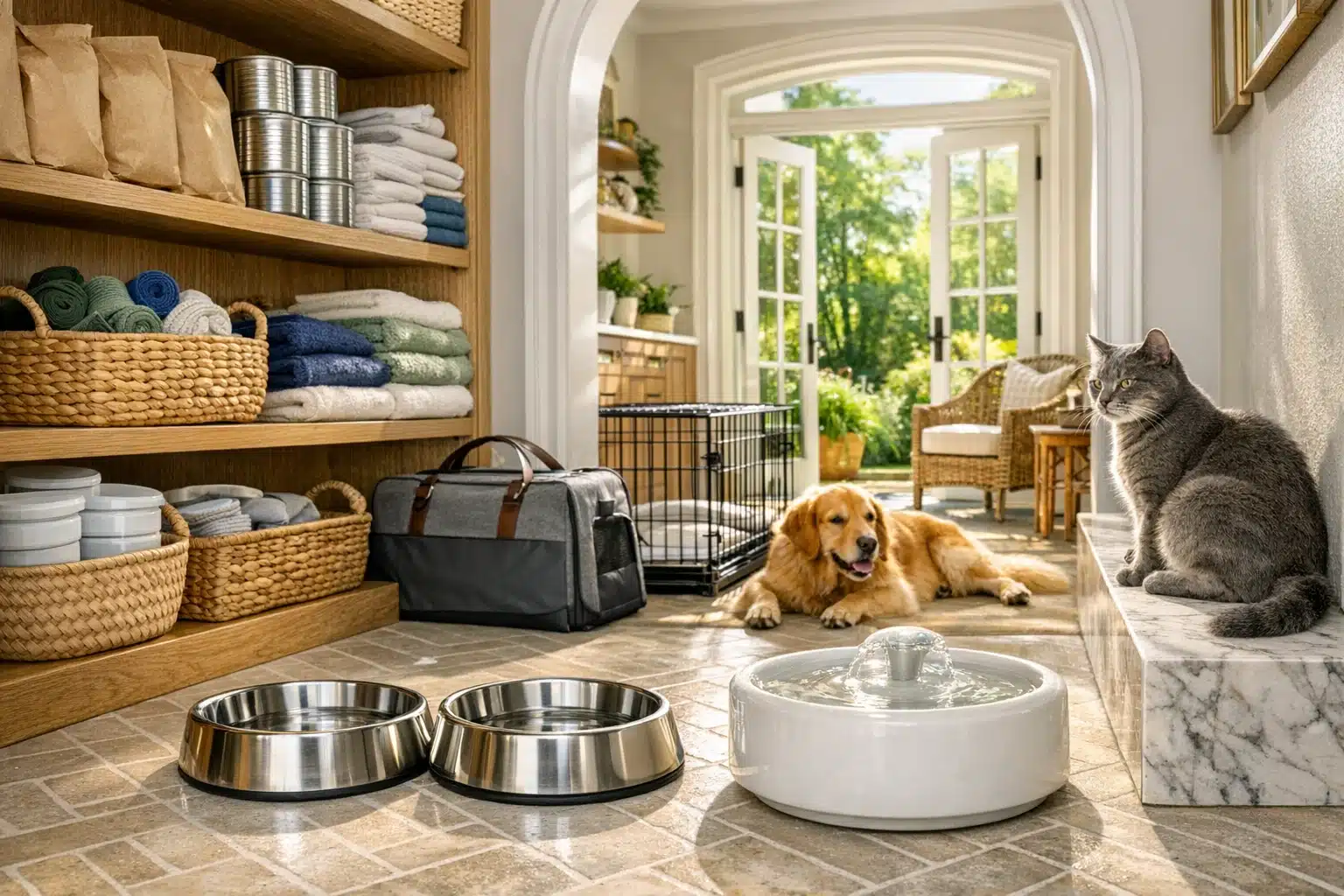
Home preparation is equally important. Put food and water bowls in easy-to-reach places, remove slipping hazards, secure cords, and decide where the dog will sleep. If bending is difficult, raised feeders or storage at waist height may help. If family members live nearby, discuss backup care early rather than later. This is not pessimism; it is responsible planning.
The strongest adoptions usually happen when affection and realism travel together. Falling in love with a dog is easy. Choosing one whose needs fit your life is the step that turns good intentions into a stable, compassionate home.
A Gentle New Chapter for Seniors
Once the dog arrives, the first weeks matter more than most people expect. Even a calm animal may seem unsettled in a new home. Sleep schedules shift, appetite may fluctuate, and familiar behaviors can take time to appear. Seniors often do best by starting small: keep feeding times consistent, take the same walking route for a while, and avoid overwhelming the dog with too many visitors. Predictability helps dogs relax, and it helps people settle into the new rhythm too.
Routine is one of the quiet strengths of senior-dog companionship. Morning feeding, a short stroll, an afternoon nap, and a final evening outing can give the day a shape that feels reassuring rather than restrictive. Many older adults find that a dog does not make life busier so much as more defined. A calm dog resting nearby while the radio plays or the crossword sits unfinished on the table can make a home feel inhabited in a deeper way.
Support systems should still be part of the plan. Even the best match may need occasional help. It is wise to identify a local veterinarian, a trusted neighbor, a family contact, and a backup walker or boarder before an urgent need arises. Seniors who travel for medical appointments or seasonal visits can benefit from building these relationships early. If budget allows, pet insurance or a dedicated emergency savings fund may reduce stress later, particularly as dogs age.
Training remains useful at every stage, even for mature rescue dogs. Simple cues such as sit, wait, come, and loose-leash walking make daily life easier and safer. Positive reinforcement is usually the most practical approach, especially in quieter homes. Harsh methods often create confusion and can damage trust. Patience is more effective than force, and with dogs, patience tends to come back multiplied.
For seniors considering adoption, the central message is this: choose steadiness over impulse. Look for a dog whose energy level, size, and care needs fit the life you genuinely live. Consider adult and senior dogs with known temperaments. Ask direct questions, prepare your home, and build a backup plan. When those pieces come together, companionship can grow in a very natural way. Not every dog is right for every person, but the right dog can turn ordinary days into something warmer, gentler, and more connected.