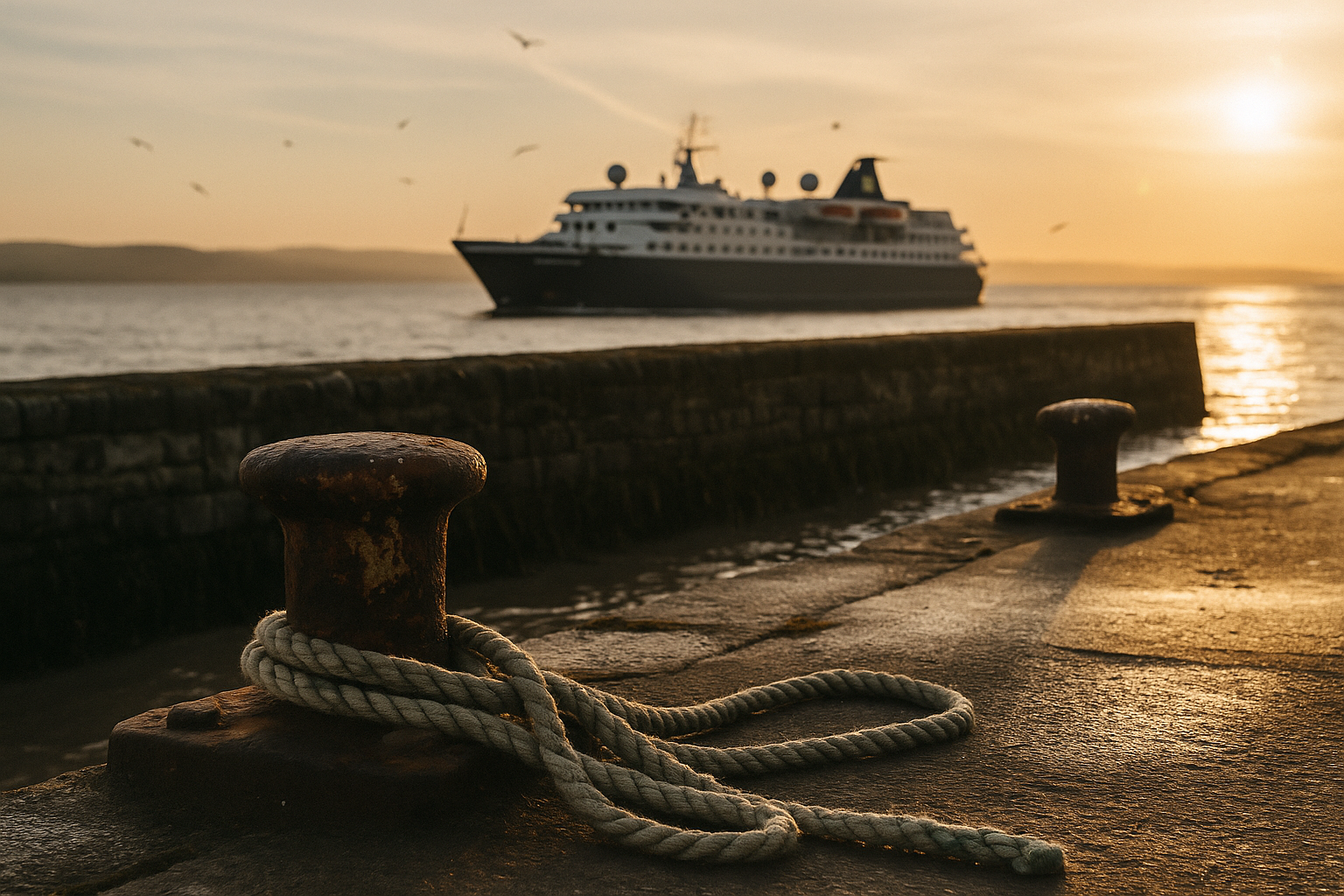
7-Day Cruise From Plymouth
Outline and Why Plymouth Works for a 7-Day Voyage
Plymouth, tucked on England’s southwest edge, is a practical springboard for a week at sea because it sits near the Channel, the Celtic Sea, and the Bay of Biscay. That geography gives planners room to curate varied routes—Channel Islands, Brittany, Normandy, or even a hop to northern Spain—without packing in endless sea days. For travelers who want a no-fly holiday or a shorter journey to embarkation, Plymouth’s rail links and road access make arrivals straightforward, while its protected Sound often offers a calm first impression of open water. A 7-day cruise from here can feel like turning a compass in slow motion: each morning introduces a fresh harbor, a new local bakery, a different shoreline silhouette.
Before diving into details, it helps to see how this guide is structured and how it can save you time and money. Consider it your route map and budgeting worksheet rolled into one:
– Section 1 (you’re here): The big picture and outline—how Plymouth’s location shapes routes and what a 7-day window can reasonably include.
– Section 2: Day-by-day sample itineraries and stop-over highlights, with realistic port times and seasonal notes that affect what you can actually see.
– Section 3: Costs and budgeting—cabin price ranges, taxes and fees, gratuities, drinks, Wi‑Fi, and shore excursions, plus a simple way to estimate your total spend.
– Section 4: What to expect onboard and what “all-inclusive” really means—what’s covered, what’s not, and how to avoid bill shock.
– Section 5: Practical tips, timing, and a concise conclusion—picking cabins, packing, motion comfort, sustainability, and travel logistics into and out of Plymouth.
This approach balances inspiration with grounded advice. You’ll find suggestions backed by travel norms in the region: typical port calls lasting 8–10 hours, Channel weather that can be brisk in spring and mellow by late summer, and Bay of Biscay swells that are gentler in August and September. Where relevant, you’ll see side-by-side comparisons—such as choosing a Brittany-focused route versus a Celtic loop—so you can match priorities to the calendar in your hand. While any trip is subject to sea conditions, thinking in terms of “what’s likely” rather than “what’s guaranteed” keeps planning realistic and stress levels low. By the time you reach the final section, you should be comfortable sketching a 7-day plan that fits your interests, appetite for sea days, and budget boundaries.
Sample 7-Day Itineraries and Stop-Overs (With Seasonal Variations)
Seven nights allow for three to five port calls plus one or two sea days, depending on distances and the time of year. The following sample routes illustrate what’s commonly feasible from Plymouth without rushing. Port times below assume roughly 8–10 hours ashore, always subject to weather and tidal windows.
– Channel Islands & Brittany Sampler (Spring to Early Autumn):
Day 1: Depart Plymouth late afternoon; coastal sail-by along Cornwall if visibility cooperates.
Day 2: St Peter Port (Guernsey) via tender. Wander narrow lanes, visit cliff paths, or take a short transfer to beaches. Compact and walkable, it’s ideal for a relaxed first stop.
Day 3: St Malo (Brittany). Medieval ramparts, tides racing across the flats, and easy access to Dinan’s half-timbered charm. Try buckwheat galettes for lunch.
Day 4: Brest or Roscoff. Coastal trails, maritime museums, and ferries to Carantec or Morlaix. Expect salty breezes and photogenic harbors.
Day 5: Sea day across the western Channel; enrichment talks or galley demos onboard.
Day 6: Cherbourg or a Normandy alternative. WWII history, local markets, and coastal drives. Cheese lovers will be spoiled for choice.
Day 7: Scenic morning at sea; evening arrival buffer or leisurely last dinner before docking in Plymouth on Day 8.
– Bay of Biscay Discovery (Late Spring to Early Autumn, calmer waters midsummer):
Day 1: Sail from Plymouth at dusk, keeping an eye out for dolphins in the Celtic Sea.
Day 2: Sea day; settle into routines, explore dining, and attend a safety and sustainability briefing if offered.
Day 3: A Coruña (Galicia). Stroll the promenade, see the ancient lighthouse, and sample pulpo a feira. Taxi rides to viewpoints are short and relatively affordable.
Day 4: Bilbao or Santander (weather and berthing dictate). Modern art and pintxos culture or beachy boulevards; both reward unhurried café breaks.
Day 5: Sea day northbound; light swell is common, particularly outside late summer.
Day 6: Brest or St Malo for a French finale; stock up on local butter biscuits for souvenirs.
Day 7: Coastal sail-in toward Devon’s headlands; packing and farewells. Dock on Day 8.
– Celtic Shores Loop (Late Spring to Autumn, shoulder seasons feel fresher):
Day 1: Depart Plymouth; sunset over rocky points and lighthouse silhouettes.
Day 2: Cobh (for Cork). Heritage railways, distillery towns, and colorful seafronts; seafood chowder is a warming staple.
Day 3: Dingle Bay scenic cruising or a West Cork harbor (weather-dependent); wildlife spotting shines in calmer seas.
Day 4: Dublin area call. City museums, Georgian terraces, and lively markets within easy transfers; plan early tickets for popular sites.
Day 5: Holyhead (Anglesey). Coastal trails and prehistoric sites; rugged views reward short hikes.
Day 6: Isles of Scilly (tender, very weather-dependent). White-sand coves and subtropical gardens feel a world away; be flexible here.
Day 7: Easy sail back to Plymouth; pack, tip, and savor a final dessert course.
Stop-over highlights differ by interest. History-minded travelers gravitate to Normandy’s museums and Celtic monasteries; food lovers may design days around crêperies, cheese markets, or tapas bars near the docks; walkers head for cliff paths in Guernsey or Brittany’s pink-granite shores. Typical spends ashore vary widely, but a modest baseline per port might include: light lunch and coffee £12–£20, museum entry £7–£15, local transport or short taxi £10–£25, and a small souvenir £5–£15. Multiply across ports and you’ll see why itinerary choice—compact towns versus metro day trips—shapes the total budget as much as cabin type.
Realistic Costs and How to Build a Sensible Budget
Pricing swings with season, ship size, and cabin type, but planning around ranges keeps surprises in check. For a 7-night sailing from Plymouth, per-person cruise fares (based on two sharing) often land near these brackets: interior £700–£1,100; oceanview £900–£1,400; balcony £1,200–£1,900; suite £2,200 and up. Shoulder months (April, October) lean cheaper; peak weeks (late July to late August) trend higher. Solo travelers may see a supplement, though occasional promotions soften it. Beyond the fare, you’ll encounter taxes, fees, and optional extras that meaningfully shift the grand total.
Use this checklist to build an all-in estimate you can trust:
– Port taxes and fees: often £60–£150 per person for a week.
– Gratuities/service charges: commonly £10–£15 per person, per day (so £70–£105 for 7 nights).
– Drinks: pay-as-you-go mocktails £4–£7, wine by the glass £6–£10; packages, when offered, can range £30–£60 per person, per day depending on inclusions.
– Specialty dining: £15–£35 per person, optional but popular on celebration nights.
– Wi‑Fi: £10–£25 per day, lower for basic messaging, higher for streaming tiers; look for voyage-length bundles.
– Shore excursions: ship-run tours £45–£120+, independent options vary from £25 walking tours to £150 private drivers split among a small group.
– Insurance: £40–£80 per traveler for a week, policy-dependent.
– Travel to Plymouth: rail or coach varies by origin; parking near the port can be £10–£20 per day; a pre-cruise hotel might run £80–£150 per room.
To sanity-check your plan, pick a mid-range cabin, add the fixed fees, then layer in your likely extras. Example: balcony fare at £1,450 + £100 taxes + £90 gratuities = £1,640. Add modest extras—Wi‑Fi bundle (£70), two specialty dinners (£60), and drinks at £15/day (£105)—and you reach £1,875 before excursions and travel to Plymouth. A traveler who prefers included beverages may choose a more-inclusive fare when available; another who drinks little might skip packages and save significantly. Currency matters too: in France and Spain you’ll transact in euros; card payments are widely accepted, but carrying a small stash of notes for markets, taxis, or café minimums helps. With this groundwork, you can forecast within 10–15% accuracy, which is usually close enough for a stress-free week.
What to Expect On Board and What “All-Inclusive” Usually Covers
A typical day at sea follows a rhythm: breakfast with a horizon view, a morning lecture or fitness class, lunch in the main dining room or buffet, a relaxed afternoon on deck or in the library, and an evening show after dinner. On port days, you’ll trade loungers for cobbles, but the flow remains similar—early start, shore time, snack back onboard, sail-away with music, and a quiet nightcap. Embarkation day includes a safety drill and time to explore; disembarkation day is about luggage tags and staggered departures. Families find children’s clubs and splash areas; wellness fans rotate between the gym, jog track, and sauna; foodies sample regional touches layered into menus.
“All-inclusive” is a flexible phrase at sea, so clarity matters. On many ships, your base fare typically includes:
– Accommodation, housekeeping, and the main dining venues (breakfast, lunch, dinner).
– Buffet and snack spots, soft-serve or casual desserts, and late-night nibbles.
– Theater shows, live music in lounges, and most daily activities (quizzes, deck games, enrichment talks).
– Access to pools, hot tubs, and fitness rooms (excluding certain classes or spa areas).
– Basic beverages like water, brewed coffee, tea, and juice at meals.
What often costs extra:
– Alcoholic drinks, specialty coffees, and fresh-pressed juices outside meal stations.
– Specialty restaurants, premium tasting menus, and chef’s tables.
– Wi‑Fi above a limited plan, photo packages, and casino play.
– Spa treatments, thermal suites, and some instructor-led fitness classes.
– Ship-run excursions and shuttles in ports where public transit is limited.
– Laundry and pressing, late-night room service on certain menus.
Pack with purpose and you’ll turn inclusions into genuine value. A reusable water bottle keeps you hydrated on warm quay walks. Light layers handle brisk Channel mornings and milder Biscay afternoons. Motion varies by itinerary; midship cabins on lower decks tend to feel steadier, and simple remedies—ginger tablets, acupressure bands, or medication approved by your clinician—can make a tangible difference. Power sockets differ across fleets; bring a Type G plug and a universal adaptor, avoiding power strips if they’re restricted. Dress codes are usually smart-casual, with one or two “gala” evenings where a jacket or elegant dress feels right but not mandatory. The more you align expectations with what’s actually included, the less likely you’ll chase upgrades you won’t use.
Timing, Practical Tips, and Conclusion for Plymouth Sailings
Timing shapes both comfort and cost. The main season runs May to September, with April and October shoulder periods that swap warmer afternoons for better pricing and quieter ports. The Bay of Biscay is generally calmer from late July through early September, while spring brings fresh winds but fields of wildflowers ashore. Rain is part of the scenery along Celtic and Channel coasts, yet showers often pass quickly; pack a compact waterproof rather than relying on umbrellas in gusty conditions. Wildlife spotters keep an eye out for common dolphins and gannets on sea days; binoculars turn fleeting splashes into certain IDs.
Logistics into Plymouth are straightforward: intercity rail and coach options connect the city to major hubs, and the port area is a short taxi from central stations. If you’re driving, pre-booking secure parking near the terminal reduces stress and sometimes cost. Arrive a day early when you can; a calm evening on the waterfront is worth more than a frantic morning if a motorway snarl appears. Documentation deserves attention too: ensure your passport meets validity rules for each country on your route and that you have any necessary visas. While rules are subject to change, checking official guidance two to three weeks before departure prevents last-minute scrambles.
Use these distilled tips to refine your plan:
– Choose itineraries with shorter sea legs if you’re motion-sensitive; midship, lower-deck cabins add stability.
– Pre-book the few things that sell out: popular museums in big cities, small-group nature tours, and specialty dining on formal nights.
– Budget a small per-port cushion for treats—local pastries, market bites, or a harbor-view coffee—so spontaneous moments don’t feel like splurges.
– Balance guided tours and self-exploration; one gives structure, the other creates serendipity.
– Pack respect for the places you visit: use refill stations, support local vendors, and stick to marked paths to protect coastal ecosystems.
Conclusion: A 7-day cruise from Plymouth is a compact, varied escape that trades airport queues for sea breezes and historic harbors. By choosing a route that matches your interests—Brittany’s ramparts, Galicia’s promenades, or Celtic cliffs—and budgeting with honest line items, you’ll step onboard confident and unhurried. Align expectations around what’s included, make a few smart pre-bookings, and leave space for the small joys: a sunrise over granite headlands, the creak of ropes at sail-away, or the first bite of a just-baked baguette on a quay. With those pieces in place, a week at sea becomes not just a holiday but a well-paced story—told one harbor at a time.