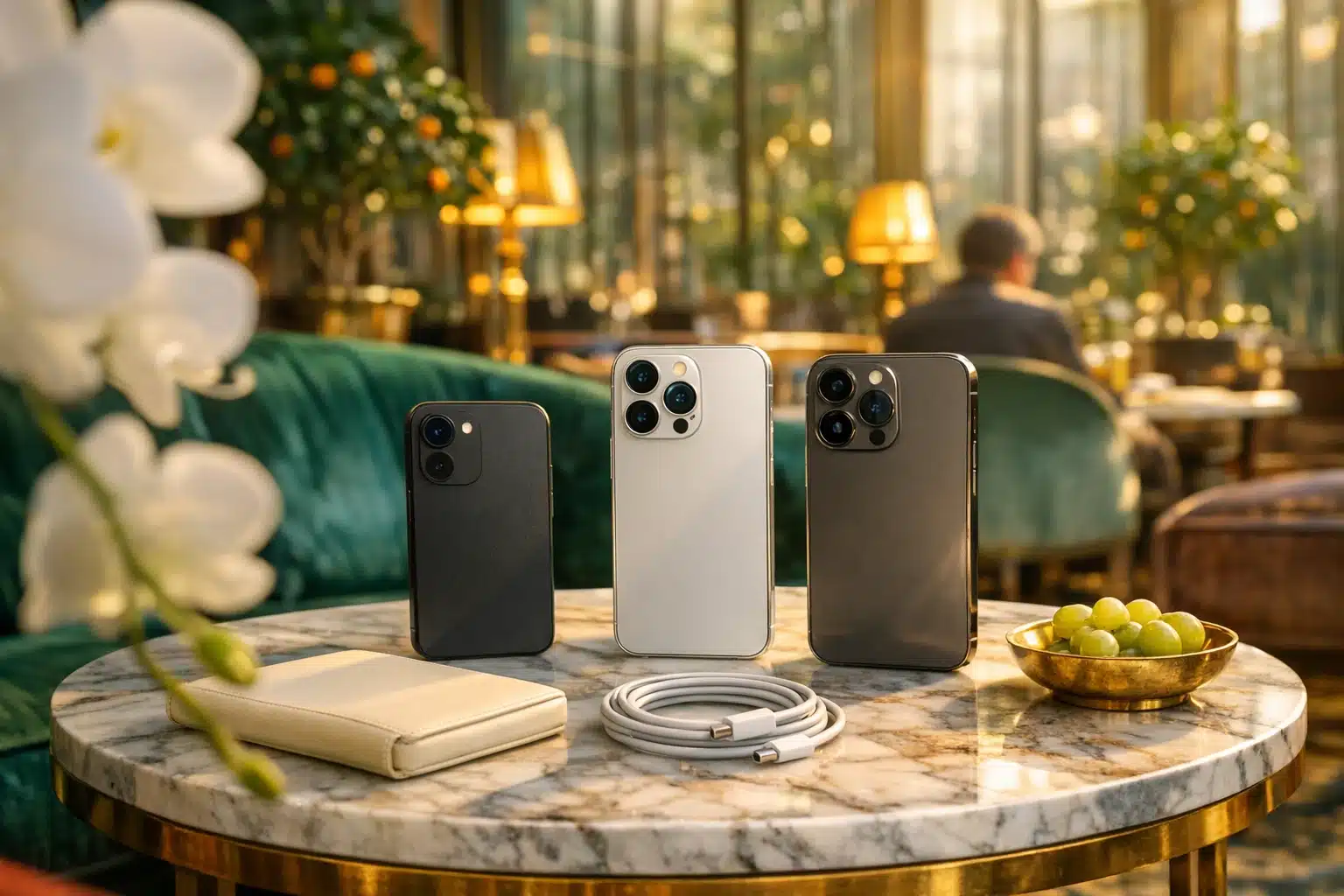
What Are The Top 10 Smartphones For 2026
Smartphones in 2026 are more than communication tools—they’re your everyday camera rigs, wallets, translation devices, and pocket PCs. With on‑device AI growing, 5G Advanced expanding, and displays pushing both brightness and efficiency, the market rewards informed choices rather than impulse buys. This article cuts through spec-sheet overload by prioritizing real-world value, long-term support, and balanced performance. Whether you care about battery endurance, camera quality, or durability, the goal is to help you pick a model that will still feel fresh in a few years.
Outline:
– Section 1: Methodology and criteria we used to evaluate 2026 smartphones
– Section 2: The top 10 smartphones of 2026 with quick profiles and who they suit
– Section 3: Camera and display deep dive with practical takeaways
– Section 4: Performance, AI, connectivity, and battery life explained
– Section 5: Buyer personas, trade-offs, and final recommendations
How We Evaluated 2026 Smartphones
Our evaluation starts with the everyday experience, not a lab-only trophy case. The average upgrade cycle has stretched toward three to four years in many regions, which means durability, long software support, and power efficiency matter as much as headline speed. We looked for phones that balance those fundamentals with meaningful leaps, like improved low-light photography, smarter on-device assistants, and safer charging. The result is a list shaped by real-world usage, not just peak benchmark runs.
Core criteria:
– Longevity: years of operating system and security updates, plus battery health after hundreds of cycles.
– Performance balance: sustained CPU/GPU output without aggressive throttling, and responsive AI processing for tasks like transcription or image enhancement.
– Camera consistency: not only daytime sharpness, but reliable low-light detail, skin tones, and motion handling.
– Display comfort: adaptive refresh, high full-screen brightness under sun, and reduced flicker for sensitive eyes.
– Connectivity: 5G Advanced readiness, strong reception, Wi‑Fi 7 stability, and reliable GPS accuracy.
– Battery and charging: real endurance across mixed use, safe thermal behavior, and reasonable charging times without extreme heat.
– Durability and sustainability: water/dust resistance, scratch resistance, recycled materials, and repair-friendliness where available.
– Value: the full package relative to price and regional availability.
We also weighed software quality. Smooth animations, coherent settings, and privacy controls can elevate otherwise similar hardware. On-device AI has matured, but the useful kind is quiet and fast: auto-summarizing long texts, cleaning up audio recordings, or improving night photos without tapping through menus. Finally, we adjusted for availability: a phenomenal device has to be purchaseable in more than a handful of markets to earn a high placement. Specifications can vary by region; when that happens, we focused on the most widely sold configuration.
The Top 10 Smartphones of 2026: Ranked by Real-World Value
Here is a ranked list designed to match different needs while keeping performance and longevity in mind. Each entry includes a quick snapshot of what makes it stand out and who should consider it.
1) Ultra Performance 6.8 Pro: A large, bright LTPO OLED around 6.8 inches, a cutting-edge 3 nm-class chip, and a tri-camera array with a high-resolution main sensor. It shines in demanding games and raw video capture, while adaptive refresh helps battery life. Ideal for power users who multitask heavily and want desktop-style productivity modes.
2) AI Camera 1‑Inch Edition: Built around a 1‑inch-class main sensor, dual native ISO, and a variable aperture for flexible depth of field. Computational photography excels at low light without oversharpening. If you shoot travel, food, and city nights, this model’s color science and stabilized 4K/8K modes are compelling.
3) Compact Flagship 6.1: A smaller chassis that doesn’t skimp on performance, with robust haptics, a high-density battery, and an excellent primary camera. One-handed use remains comfortable, and the display is color-accurate out of the box. Great for minimalists and commuters who prefer pocketability without compromise.
4) Battery Max 7000: Emphasizes longevity with a 6500–7000 mAh pack, efficient display tuning, and conservative thermal limits. Expect two-day endurance for typical mixed use and overnight drain that’s gentle. Travelers and field workers get particular value from its endurance and robust GPS.
5) Foldable Book 8: A book-style foldable with a durable hinge, crease-minimizing inner panel, and a strong cover display for quick tasks. Multitasking shines: two or three apps side by side feel natural. If you live in documents, spreadsheets, or sketching, the tablet-like canvas is a productivity booster.
6) Pocket Flip Fold: A clamshell foldable focused on portability. The outer screen handles quick replies, timers, and navigation peeks, while the inner panel is bright and smooth. Fashion-forward and fun without giving up high-end cameras, this is for users who want style plus capable internals.
7) Value Flagship 2026: A balanced package with a flagship-grade chip, reliable main camera, and clean software at a more approachable price. It trims extras like exotic materials but nails the essentials: performance, battery life, and timely updates. Perfect for buyers who want premium speed without premium pricing.
8) Periscope Zoom Pro: Targets long-range photography with a stabilized periscope lens and refined image fusion. It’s excellent for concerts, wildlife, and sports from the stands. Even at 10x–20x, detail remains usable, and the main sensor is no slouch either.
9) Rugged 5G Advanced: Designed for harsh conditions with reinforced corners, a grippy frame, and expanded GPS bands. The display gets extra protection against scratches, and the battery is tuned for cold-weather stability. Hikers, contractors, and cyclists who face the elements should shortlist this one.
10) Eco Edition Lite: Prioritizes recycled materials, modular components where possible, and a battery designed for longer cycle life. While raw speed sits a notch below top-tier devices, day-to-day performance is smooth and power draw is frugal. Ideal for sustainability-minded buyers who value repairability and responsible materials.
Why these ten? Each delivers a clear strength without unacceptable trade-offs. From pocketable performance to foldable productivity, the spread here covers most shoppers. If you’re unsure where to start, think first about what you do most—photos, gaming, travel, or work—and match that to the device profile above. Numbers matter, but the right fit matters more.
Cameras and Displays: What Sets These Models Apart
Camera quality in 2026 is defined by the handshake between large sensors and smarter processing. A 1‑inch-class sensor can gather significantly more light than a 1/1.3‑inch unit, but software alignment, lens quality, and stabilization still determine the final look. The AI Camera 1‑Inch Edition demonstrates how a variable aperture preserves detail in low light while allowing natural background blur in daylight portraits. Meanwhile, Periscope Zoom Pro blends frames from multiple focal lengths to maintain texture at medium and long zoom. Even the Compact Flagship 6.1 produces impressive results thanks to tuned noise reduction and fast autofocus, proving size isn’t everything.
Key camera traits to watch:
– Sensor size and pixel architecture: larger photodiodes and stacked designs improve dynamic range without inflating file sizes.
– Stabilization: sensor-shift plus lens OIS helps handheld video and night shots.
– Color science: consistent skin tones across lighting scenarios avoid the “neon” look.
– Video tools: reliable 4K60 or 4K120, log profiles, and horizon leveling elevate mobile filmmaking.
– Computational features: motion deblur, multi-frame fusion, and subject-aware sharpening that avoids halos.
Displays have also matured. Most models here use LTPO OLED with adaptive refresh, letting screens drop to ultra-low Hz for always-on modes and ramp up to 120–144 Hz for smooth scrolling. Sunlight readability has improved: sustained brightness between roughly 1200–1600 nits and short bursts past 2000 nits make maps and camera previews usable outdoors. Some devices add finer PWM control or DC-like dimming at low brightness to reduce eye strain. The Ultra Performance 6.8 Pro and Foldable Book 8, in particular, juggle large panels with efficiency tricks that keep battery drain in check.
Practical takeaways:
– If you shoot a lot at night, prioritize larger sensors and stabilized lenses over sheer megapixels.
– For creators, seek consistent color across lenses and robust video stabilization rather than chasing headline resolution.
– If your eyes are sensitive, look for displays that advertise reduced flicker or more granular dimming controls.
– Foldable buyers should check crease visibility in person and ensure the cover display is big enough for quick tasks.
In short, camera and display choices should reflect your actual habits. A travel photographer gains more from low-light reliability and durable lens coatings than from extreme zoom. A commuter who reads on the train benefits from a comfortable, bright screen and excellent haptics more than laboratory color charts. Match the tool to the job, and the experience will follow.
Performance, AI, Connectivity, and Battery Life
Under the hood, most 2026 flagships run on 3 nm-class chips with beefier AI accelerators. Raw CPU/GPU speed still matters for games and editing, but so does sustained performance—how well a device holds frames after ten minutes, not ten seconds. Several models here prioritize smarter scheduling and thermal management to keep performance stable without loud throttling. You’ll notice it in smoother gaming sessions and faster photo processing when the phone is warm.
On-device AI is moving from novelty to convenience. Useful examples include:
– Transcribing and summarizing long voice notes efficiently.
– Live translation with low latency during calls.
– Photo cleanup that removes reflections or motion blur without plastic-looking faces.
– Automated playlist and mood recommendations handled locally for privacy.
Connectivity upgrades are tangible too. 5G Advanced support improves uplink speeds and reliability in crowded locations like stadiums, while Wi‑Fi 7 brings wider 320 MHz channels and lower latency for cloud gaming or large file syncing. Bluetooth LE Audio cuts power use and enables multi-device sharing. Several entries—Ultra Performance 6.8 Pro, Foldable Book 8, and Value Flagship 2026—show notably stable reception in fringe areas, which can matter more than a tiny benchmark edge.
Battery life remains a top differentiator. Typical capacities range from about 4500 to 7000 mAh here, but endurance also depends on display tuning and modem efficiency. Battery Max 7000 leads when you need two days of mixed use, while Compact Flagship 6.1 impresses with frugal idle drain. Charging approaches vary: 45–80 W wired is common, with select models pushing higher, and 30–50 W wireless showing up in premium tiers. The important part is safe thermal behavior and cycle life; we prefer phones that avoid extreme heat during fast charging and retain solid capacity past 800–1000 cycles.
Security and updates round out the performance story. Biometric reliability (ultrasonic or optical) reduces friction, and extended OS support timelines make a phone a safer long-term investment. Between efficient chips, maturing AI, and stronger radios, the 2026 experience is more responsive, more private, and more resilient. That said, choose the balance that fits your routine: maximal speed for content creation, or cooler, quieter power for long workdays.
Which One Should You Buy? Personas, Trade-offs, and Final Thoughts
Start by defining your top two priorities, then map them to the list. If you crave a desktop-like feel with extra screen space, Foldable Book 8 is a strong daily driver; if you need marathon battery, Battery Max 7000 earns an easy shortlist spot. For pocket fans, Compact Flagship 6.1 keeps the footprint friendly without stripping features, while Value Flagship 2026 stretches your budget smartly. Photographers should consider AI Camera 1‑Inch Edition for low light and Periscope Zoom Pro for distant subjects; both handle everyday shots gracefully.
Simple buyer guide:
– Travelers: Battery Max 7000 or Rugged 5G Advanced for endurance and GPS reliability.
– Content creators: Ultra Performance 6.8 Pro or Foldable Book 8 for horsepower and canvas size.
– Casual users: Value Flagship 2026 or Eco Edition Lite for strong fundamentals and lower cost of ownership.
– Street and night shooters: AI Camera 1‑Inch Edition for sensor size and stabilization.
– Fashion-forward minimalists: Pocket Flip Fold for portability with capable cameras.
Trade-offs to consider:
– Foldables deliver multitasking but add weight and moving parts; check hinge feel and crease visibility.
– Huge batteries mean comfortingly long days, but the devices are thicker and can take longer to charge.
– Extreme zoom can sacrifice low-light performance on secondary lenses; balance reach with everyday quality.
– Ultra-bright displays improve outdoor use, but sustained brightness and efficiency matter more than short bursts.
Final takeaway: there isn’t a single champion for everyone, but there is likely a standout for you. Think about how you spend hours, not minutes—navigating cities, editing clips, reading, gaming, or shooting photos—and pick the profile that amplifies those moments. With stronger long-term software support, safer charging, and maturing AI, a 2026 smartphone can serve reliably for several years. Choose deliberately, and your next upgrade won’t just be new—it will be meaningfully better for your daily life.