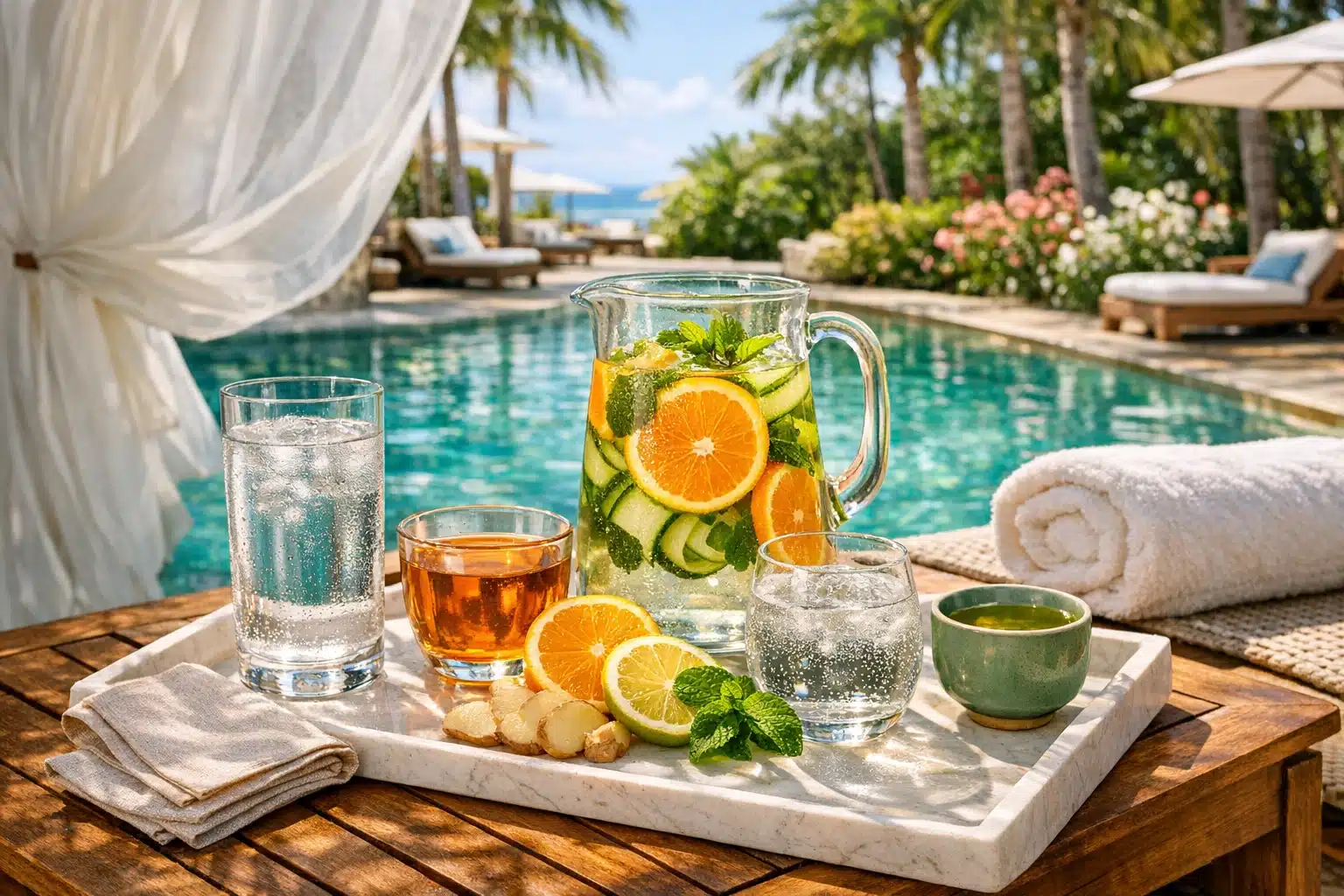
5 Drinks That Support Kidney Wellness
Introduction and Article Outline
Hydration sounds simple, yet the drinks you choose every day can influence sugar intake, sodium exposure, energy levels, and how gently you support your kidneys. Water still earns first place, but it does not have to be plain or boring to be useful. This article explores natural options that add taste without piling on unnecessary extras, then walks through five drinks that can fit a kidney-conscious routine in real life.
Your kidneys work quietly in the background, but they are always on duty. They help filter waste from the blood, regulate fluid balance, support electrolyte control, and play a role in blood pressure management. In a healthy adult, the kidneys process a remarkable amount of blood every day, turning that constant flow into a much smaller amount of urine. That is why everyday beverage choices matter. A glass is never just a glass; sometimes it is hydration, sometimes it is hidden sugar, and sometimes it is a salty surprise wearing a healthy label.
For most people, kidney-friendly hydration is not about buying trendy products. It usually comes down to a few plain ideas applied consistently: drink enough fluid, limit sweetened beverages, avoid excessive sodium, and choose options that fit your own health needs. If you have chronic kidney disease, recurrent kidney stones, heart failure, or a clinician has told you to limit fluid, potassium, phosphorus, or oxalate, your personal plan should always take priority over general advice.
This article is organized to make the topic practical rather than abstract. It begins with the basics of hydration and kidney wellness, then moves into the five featured drinks and how they compare in daily life.
- Section 1 explains why hydration quality matters, not just quantity.
- Section 2 looks at what the kidneys need from everyday drinks and what to watch for on labels.
- Section 3 covers Drink 1 and Drink 2: plain water and fruit-infused water.
- Section 4 explores Drink 3 and Drink 4: unsweetened herbal tea and plain sparkling water.
- Section 5 finishes with Drink 5, unsweetened green tea, plus practical guidance and a conclusion for everyday readers.
The goal is simple: help you choose drinks that feel pleasant enough to enjoy often, while still respecting the bigger picture of kidney wellness. Good hydration is not glamorous, but it is one of those humble habits that can make the whole day run more smoothly.
What the Kidneys Need From Everyday Hydration
Before comparing drinks, it helps to understand what “supporting kidney wellness” really means. For people without significant kidney disease, it generally means choosing beverages that help maintain healthy hydration without loading the body with excess sugar, sodium, or unnecessary additives. The kidneys rely on adequate fluid to help keep waste products moving out of the body. When fluid intake is too low, urine becomes more concentrated, and that can be unhelpful, especially for people who are prone to certain kinds of kidney stones.
Hydration needs vary widely. Climate, body size, activity level, medications, diet, pregnancy, and illness all change how much fluid a person may need. Broad intake guidelines often suggest total daily water from both foods and drinks in the range of roughly 2.7 liters for many women and 3.7 liters for many men, but these are not one-size-fits-all prescriptions. A runner on a hot afternoon and an office worker in cool weather are not playing the same game.
Quality matters because some popular drinks work against the broader goals of kidney wellness. A beverage can be technically hydrating while still bringing along a package of drawbacks.
- Sugary drinks may add large amounts of calories and can make it harder to manage weight and blood sugar over time.
- High-sodium beverages may not seem common, yet some vegetable juices, broths, and sports drinks can contain meaningful amounts.
- Oversized coffeehouse drinks can deliver more sugar than refreshment.
- “Healthy” bottled beverages sometimes hide sweeteners behind fruit imagery and green labels.
Another useful point: not everyone should chase aggressive hydration. Some people with advanced kidney disease, low sodium disorders, or certain heart conditions may need fluid limits. Others may need to watch minerals such as potassium or phosphorus. That is why broad wellness advice should stay flexible and humble.
If you want a simple filter for drink choices, ask four questions. Is it low in added sugar? Is sodium modest? Is it something you can enjoy regularly? Does it fit any medical guidance you have been given? When a drink passes those tests, it is far more likely to help than to complicate matters.
In other words, supporting the kidneys usually looks less like a miracle beverage and more like steady, intelligent choices. The good news is that those choices can still be flavorful, satisfying, and easy to build into an ordinary week.
Drink 1 and Drink 2: Plain Water and Fruit-Infused Water
If kidney-friendly hydration had a starting line, plain water would be standing there first, calm and unbothered. It remains the most reliable everyday option because it hydrates effectively without adding sugar, caffeine, sodium, or calories. That simplicity matters. When people struggle with hydration, the issue is often not that water “doesn’t work,” but that they have grown tired of it, forget to drink it, or replace it with sweeter choices that crowd out better habits.
Water supports normal fluid balance and helps keep urine from becoming overly concentrated. For people who form certain kidney stones, adequate water intake is often a key part of prevention advice. It is not a cure-all, and it is not magic, but it is useful in a direct, sensible way. If you want a daily default, water is hard to beat.
Still, plain water is not the only strong choice. Fruit-infused water can be an excellent second option for people who want aroma and light flavor without turning to soda, sweet tea, or heavily sweetened juices. A pitcher with slices of lemon, lime, orange, cucumber, strawberry, or mint can make hydration feel less like a chore and more like a small ritual. The flavor is gentle rather than syrupy, which is often enough to keep the habit going.
Here is how the two compare:
-
Plain water is the lowest-maintenance choice and the easiest to find anywhere.
-
Infused water offers more sensory appeal, which can help people who say they “just don’t like water.”
-
Neither option needs added sugar to be pleasant.
-
Both can be carried in a reusable bottle and fit easily into work, school, travel, or exercise routines.
A few practical notes matter here. Infused water is not the same as fruit juice. Juice is more concentrated in natural sugars and calories, while infused water usually keeps the taste light. If you leave ingredients in a pitcher for many hours, refrigerate it for food safety and refresh the contents regularly. If your clinician has advised limiting potassium or certain fruits, tailor the ingredients accordingly.
A simple habit can work wonders: drink a glass after waking, another with lunch, one during the afternoon slump, and one with dinner. That rhythm often works better than dramatic goals. In many homes, the healthiest beverage strategy begins not with a purchase, but with a clean bottle, cold water, and a few slices of something bright.
Drink 3 and Drink 4: Unsweetened Herbal Tea and Plain Sparkling Water
When people want a break from still water, two beverages often step in gracefully: unsweetened herbal tea and plain sparkling water. They solve the same problem in different ways. One offers warmth, aroma, and a slower pace. The other brings bubbles, lift, and that little bit of celebration people often associate with soft drinks. Both can support hydration without the heavy sugar load that turns many beverages into dessert.
Unsweetened herbal tea is a broad category, which is part of its charm. Chamomile, peppermint, rooibos, ginger, and many caffeine-free blends can add variety to the day while contributing fluid. A warm mug can be especially helpful for people who dislike cold drinks, and it can turn hydration into a more mindful habit. There is something almost literary about steam rising from a cup on a gray afternoon; it makes the ordinary feel more deliberate.
Even so, herbal tea is not a free-for-all. Some herbs can interact with medications, and certain specialty blends may not suit everyone. Licorice root, for example, can affect blood pressure in some people when consumed often. That does not mean herbal tea is risky by default; it simply means labels still deserve attention.
Plain sparkling water offers a different path. It hydrates much like still water if it contains no added sugar. For many people, carbonation provides enough texture to replace soda or sweetened fizzy drinks. That swap can reduce daily sugar intake substantially without making the routine feel joyless. If the ingredient list says carbonated water and perhaps natural flavor, that is usually a much better sign than a long list of sweeteners or sodium-heavy additives.
These two drinks compare well in everyday life:
-
Herbal tea works well during cooler weather, evening routines, or quiet breaks.
-
Sparkling water is convenient at meals, social events, and moments when you want something crisp.
-
Both can replace sugary beverages without feeling punitive.
-
Neither should come loaded with sweeteners if kidney-conscious hydration is the goal.
If you are sensitive to carbonation, sparkling water may feel bloating, so still options might suit you better. If you like to sip slowly, herbal tea may be easier to enjoy consistently. The best choice is often the one that helps you drink enough fluid while keeping the ingredient list refreshingly short.
Drink 5: Unsweetened Green Tea, Smart Habits, and a Conclusion for Everyday Readers
Unsweetened green tea rounds out this list because it offers a middle ground between plain water and more stimulating beverages. It has flavor, a modest amount of caffeine, and a long history as a simple daily drink. For many people, it can fit well into a kidney-conscious lifestyle when served without added sugar and enjoyed in sensible amounts. Bottled sweet green tea and a plain brewed cup are not nutritional twins, even if the label art tries to suggest otherwise.
Green tea is not valuable because it performs miracles. Its appeal is much more practical. It can help people move away from sugar-heavy drinks while still enjoying something with character. Some research on tea and overall health patterns is encouraging, but the main reason it belongs on this list is simpler than any headline: it is usually a better everyday choice than a sweetened energy drink, a soda, or a large café beverage topped with syrup.
That said, context matters. Green tea contains caffeine, so people who are very sensitive to stimulants, have trouble sleeping, or have been told to restrict caffeine may need to limit it or choose caffeine-free options instead. Very large amounts of any caffeinated beverage are not a wise shortcut to hydration. Moderation keeps the advantages intact.
To make the five featured drinks useful in real life, think in patterns rather than perfection:
-
Keep plain water as your default anchor.
-
Use infused water when you want freshness without sweetness.
-
Reach for herbal tea when you want warmth and variety.
-
Choose plain sparkling water when bubbles help you skip soda.
-
Enjoy unsweetened green tea when you want a gentle lift without turning your cup into a sugar delivery system.
Conclusion for Readers Who Want Better Daily Habits
If you are trying to drink better without making life complicated, the smartest move is not chasing a miracle beverage. It is building a short list of dependable choices you actually enjoy. Water, fruit-infused water, unsweetened herbal tea, plain sparkling water, and unsweetened green tea can all support kidney wellness by helping you stay hydrated while avoiding many of the extras that make common drinks less helpful. Start with one upgrade, repeat it until it feels natural, and let consistency do the quiet work. For most readers, that is where meaningful progress begins: one better glass at a time.