 Artificially generated image
 3-Night All-Inclusive Hotel Stay In York
York is the kind of city that rewards a short stay because almost every lane, tower, and tearoom seems to carry a story. A 3-night all-inclusive hotel break can turn that compact richness into an easy, well-paced escape, especially for travelers who want history, comfort, and fewer planning headaches. Knowing what these packages include matters, since city-based all-inclusive stays differ from classic resort holidays. This guide explains what to expect, how to compare offers, and which York experiences are worth building into each day.
Article outline:
- Why York works so well for a 3-night stay.
- What “all-inclusive” usually means in a historic English city.
- How to shape three comfortable nights and unhurried days.
- What to discover in York, from landmarks to smaller pleasures.
- How to choose the right package and who benefits most from it.
Why York Is Such a Strong Choice for a 3-Night Getaway
York suits a three-night break remarkably well because it is compact, layered with history, and easy to enjoy without constant transport planning. That matters more than many travelers first realize. In larger cities, a short stay can dissolve into train changes, long walks between districts, and endless decisions about where to eat next. York offers a different rhythm. The railway station is relatively close to the center, many headline sights sit within walking distance of each other, and the old city’s scale makes it possible to feel oriented quite quickly. You can arrive on day one, settle in, and start exploring without that nagging sense that the trip is already racing ahead.
Three nights also create a useful middle ground between a rushed overnight escape and a full week away. One night in York often means choosing between the Minster, the Shambles, museums, city walls, or evening dining. Two nights are better, yet they can still feel tight if you want both sightseeing and downtime. By contrast, three nights usually allow room for both structure and spontaneity. You can dedicate one day to major attractions, another to food, shopping, and hidden corners, and still leave space for a slow breakfast or a twilight walk along the walls.
York’s appeal is not only practical. It is atmospheric in a way that suits short luxury breaks particularly well. The city has Roman foundations, Viking history, medieval streets, Georgian touches, and a strong rail heritage. York Minster dominates the skyline, while the medieval walls, at roughly 2.1 miles or 3.4 kilometers, still frame much of the historic core. That concentration of heritage gives each walk a sense of continuity. One minute you are passing stone gateways and timber-fronted shops; the next, you are slipping into a modern café or a smart hotel lounge for afternoon tea.
For travelers comparing destinations, York often lands in a sweet spot:
- More walkable than many larger city-break destinations.
- More historically immersive than a standard shopping weekend.
- Calmer and easier to pace than a packed capital-city itinerary.
- Rich enough in dining, culture, and scenery to fill three nights comfortably.
That is why the idea of an all-inclusive or semi-inclusive stay becomes so attractive here. When the city already does the hard work of offering beauty, history, and atmosphere in a concentrated area, a well-built hotel package can remove the remaining friction. Meals are easier to plan, evening options feel less stressful, and the whole break becomes less about logistics and more about enjoying York at a human pace. For couples, solo travelers, older guests, and even families with older children, it can be an efficient and genuinely enjoyable way to experience one of England’s most characterful cities.
What All-Inclusive Usually Means in York and What to Check Before You Book
The phrase “all-inclusive” can sound simple, but in York it usually means something more tailored than the classic fly-and-flop resort model. In a Mediterranean beach hotel, all-inclusive often signals buffet meals, unlimited or scheduled drinks, snacks, and on-site entertainment wrapped into one headline price. In York, a historic inland city better known for cathedral views than pool bars, the term is more likely to describe a package deal rather than a blanket everything-included arrangement. That distinction matters because it shapes both value and expectations.
In practical terms, a York all-inclusive stay may include a combination of the following:
- Accommodation for three nights.
- Daily breakfast.
- One or more dinners, sometimes as a set menu or dining credit.
- Drinks allowances, welcome cocktails, or prosecco on arrival.
- Parking, which can be valuable in a city where central parking adds up.
- Spa access, leisure facilities, or late checkout.
- Tickets to selected attractions or seasonal extras.
That is why reading the package details is essential. A rate described as “all-inclusive” by one property may be closer to half board with perks, while another may bundle enough extras to deliver excellent value. For example, breakfast plus dinner plus parking can make a city stay meaningfully cheaper than a room-only rate once you calculate the real cost of eating out in a popular tourist center. On the other hand, if you enjoy sampling different restaurants each evening, a dining-heavy package may limit flexibility rather than improve it.
It helps to compare York hotel packages with three common alternatives. A room-only booking offers freedom but demands more planning and exposes you to peak-price meals nearby. Bed and breakfast keeps mornings simple, though evenings remain open and potentially expensive. A package stay, even if not truly unlimited in the resort sense, sits in the middle by reducing decision-making and bundling expenses that travelers often underestimate.
Before confirming a booking, ask or verify a few points:
- Are drinks included, and if so, which ones?
- Is dinner served every night or only on selected dates?
- Does the package include attraction entry or just recommendations?
- Are spa slots pre-booked or first come, first served?
- Are children’s meals, family rooms, or parking covered in the price?
- Is the hotel in the center or outside it, requiring taxis?
The final point is especially important. A lower package rate at an out-of-town property can be good value if you want spa time and quiet surroundings. Yet a central hotel may save both time and transport costs, which matters on a three-night break where every hour feels useful. In York, “all-inclusive” is less about endless consumption and more about smart bundling. Once you understand that, you can judge offers clearly and choose the one that actually matches the trip you want.
How to Enjoy Three Comfortable Nights Without Turning the Trip Into a March
A comfortable three-night stay in York is less about squeezing in every possible attraction and more about building a rhythm that leaves room for appetite, weather, and mood. That is one of the hidden advantages of a package break. When some meals and extras are already arranged, you can shape each day around experience rather than admin. Instead of hunting for breakfast, comparing restaurant reviews at the last minute, or worrying whether museum visits will fit around check-in times, you move through the city with a little more ease.
Night one should ideally be light and welcoming. After arrival, a short orientation walk works better than a full sightseeing session. If your hotel is central, head toward the Minster precinct, the Shambles, or a riverside stretch simply to absorb the setting. York changes character beautifully in the evening. Daytime crowds soften, shopfronts glow, and the old streets feel theatrical in the best way. A pre-included dinner or dining credit is useful here because it lets the first night feel effortless rather than transactional.
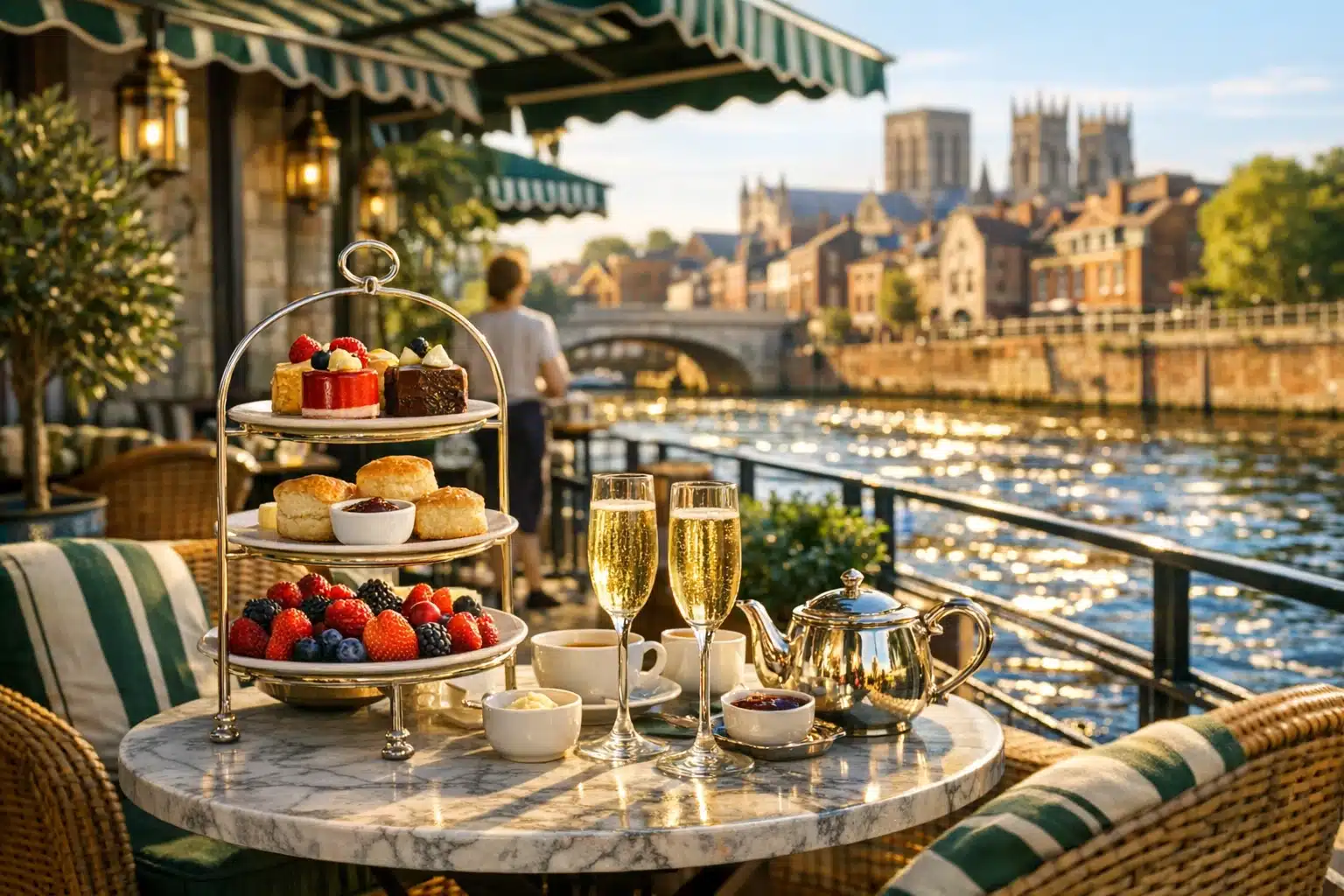
Day two is often the best moment for major landmarks. This is the day for York Minster, the city walls, and a museum or two. Comfortable pacing matters. The old center is walkable, but historic streets can be uneven, and attractions with towers or long galleries demand energy. A good strategy is to split the day into zones rather than race across the map. Morning might focus on the Minster area, lunch can be taken nearby, and the afternoon might shift toward the JORVIK Viking Centre, Clifford’s Tower, or a river walk. If your package includes afternoon tea, a spa facility, or lounge access, this becomes the natural pause point rather than an afterthought.
Day three works well as a softer day with room for personal taste. Travelers interested in rail history may spend time at the National Railway Museum, while others may prefer York Museum Gardens, independent shops, bookshops, or a guided ghost walk later in the evening. This is often the day when York reveals its quieter pleasures. You notice alleyways you missed before, revisit a café that felt inviting, or linger over dessert because you no longer feel pressed for time.
A comfortable plan often looks like this:
- Arrival evening: check in, gentle walk, simple first dinner.
- Full day one: major sights and classic historic highlights.
- Full day two: museums, food, shopping, or spa-led relaxation.
- Departure morning: breakfast, one final stroll, unhurried checkout.
The biggest mistake on a three-night city stay is assuming comfort means doing less and therefore seeing less. In York, comfort usually means sequencing well. By avoiding over-scheduling, choosing a hotel that supports your habits, and building in small moments of rest, you often end up seeing more and enjoying it more deeply. The city does not need to be conquered. It simply needs to be met at the right pace.
What You Can Discover in York Beyond the Hotel Package
Even the most appealing hotel offer only works if the destination itself delivers, and York does that with unusual consistency. The city is famous for its heritage, but the experience is broader than checking off monuments. York can feel scholarly, theatrical, cozy, and quietly indulgent, sometimes within the span of a single afternoon. That mix is a large part of why a short inclusive break here appeals to such a wide range of travelers.
The obvious starting point is York Minster, one of the largest Gothic cathedrals in Northern Europe and the landmark most visitors picture first. Its scale is impressive from the outside, but the surrounding precinct is just as rewarding because it frames the building with narrower streets and softer architectural detail. Nearby, the Shambles is the postcard-famous lane that many travelers come to photograph. Yes, it can be busy, but its overhanging buildings and crooked lines still carry real charm, especially early or late in the day.
Then there are the city walls, which give York a rare advantage over many historic places: you can see the city from above while still staying connected to its older layout. A walk along even part of the walls helps make sense of the whole center. Clifford’s Tower offers another viewpoint and ties the visit back to York’s Norman story. For travelers who prefer museums to towers, the JORVIK Viking Centre translates the city’s Norse past into an immersive format, while the National Railway Museum adds a very different chapter, focused on engineering, travel, and industrial heritage.
York also rewards slower discovery. Consider adding some of these to your stay:
- A riverside walk along the Ouse, especially near sunset.
- York Museum Gardens for a calmer, greener pause.
- An evening ghost tour, which fits the city’s atmosphere surprisingly well.
- Independent bakeries, tea rooms, and traditional pubs tucked off busier routes.
- Local chocolate-themed treats, a nod to York’s confectionery history.
What makes York stand out is the way these experiences sit close together without feeling repetitive. A morning inside a grand ecclesiastical landmark can be followed by lunch in a compact café, a visit to a railway hall, and an evening dining room that feels gently refined rather than formal. Compared with destinations where attractions are scattered and disconnected, York offers narrative continuity. The past is not trapped in one museum quarter; it spills into street names, gatehouses, stonework, and views between rooftops.
This is also why the city works so well with a three-night package. You are not just paying for a bed between activities. You are giving yourself time to notice textures, sounds, and shifts in mood. Church bells, footsteps on old paving, the scent of coffee drifting from a side street, the sudden sight of the Minster appearing between buildings, all of that gives York its staying power. The headline attractions matter, but the smaller discoveries are often what make people want to return.
Choosing the Right York Package and Final Thoughts for Different Travelers
The best 3-night all-inclusive stay in York is not necessarily the one with the longest inclusion list. It is the one that matches how you actually like to travel. That may sound obvious, yet many disappointing breaks begin with a tempting deal that looks generous on paper but fits badly in practice. A couple seeking walkable evenings and historic atmosphere might be happiest in a central boutique hotel with breakfast, one dinner, and late checkout. A traveler who values quiet, parking, and spa time may prefer a country-house or edge-of-city property where the package emphasizes leisure facilities rather than immediate access to the Minster.
Families, solo travelers, and older visitors can all find good value too, but their priorities often differ. Families may benefit most from packages that reduce meal planning and include larger rooms or parking. Solo guests often appreciate centrality, safety, and easy access to guided tours or museum visits. Older travelers may place higher value on lift access, lower walking demands, calmer dining spaces, and the convenience of having some meals handled by the hotel. There is no universal “best” formula, only the best fit for the person booking it.
When comparing options, weigh the following carefully:
- Location versus quiet: city center convenience or a calmer outer setting.
- Dining style: set menus, allowances, afternoon tea, or full dinner inclusion.
- Extras that genuinely save money: parking, tickets, spa access, or late checkout.
- Room comfort: bed size, air conditioning, accessibility, and sound levels.
- Travel style: sight-heavy itinerary or restorative short break.
It is also wise to think beyond the headline rate. A seemingly cheaper room-only stay can end up costing more once breakfast, evening meals, taxis, and extras are added. On the other hand, a package packed with inclusions can feel less valuable if you know you will spend most of your time eating out or exploring from morning until late evening. The smart choice is rarely the most luxurious-looking one. It is the one that reduces spending on the items you would have paid for anyway.
For the target audience of this kind of trip, namely travelers who want a short, memorable, low-stress city break, York makes a compelling case. It offers culture without constant rushing, atmosphere without excessive scale, and comfort without requiring a week of annual leave. A three-night inclusive stay can turn that advantage into something even better: a break with structure but not rigidity, convenience without blandness, and enough free space for those serendipitous moments that make travel feel personal. If you want a destination where the hotel can support the experience rather than compete with it, York is a strong and sensible choice.