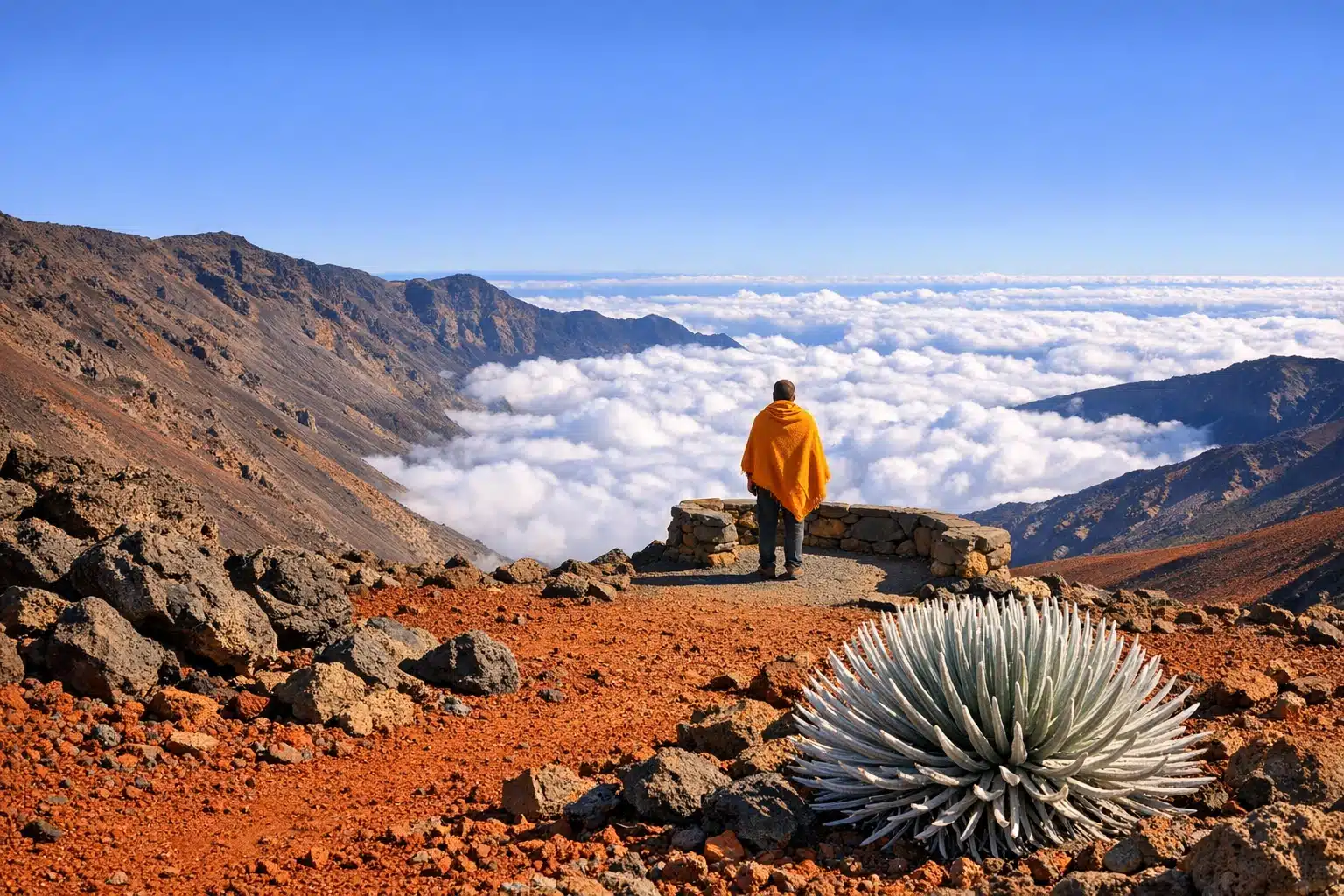
 Artificially generated image
 10-Day All-Inclusive Hawaii Island Hopping Tour With Flights
Planning a 10-day Hawaii island-hopping trip sounds dreamy until the logistics show up: airport transfers, interisland flights, hotel timing, baggage rules, and the simple question of how much can fit into one vacation without turning paradise into a checklist. A well-built all-inclusive plan matters because it can reduce friction, control costs, and leave room for the moments travelers actually remember, from sunrise coastlines to late dinners near the water.
Outline and Smart Planning Framework
Before diving into the daily route, it helps to see the article as a practical map. This is the outline we will follow:
• Section 1: how a 10-day island-hopping tour is usually structured
• Section 2: a sample start on Oahu and the transition to Maui
• Section 3: a deeper look at Maui and the move to the Big Island
• Section 4: a final stretch through Kauai, plus cost expectations and inclusions
• Section 5: essential tips, frequently asked questions, and a clear closing takeaway
A 10-day Hawaii tour can be excellent, but only when the pacing is honest. Many travelers imagine “all-inclusive” in the Caribbean sense, where meals, drinks, transfers, and activities all flow under one price. Hawaii often works differently. Packages that use the phrase may include round-trip airfare, interisland flights, hotel stays, airport transfers, a few organized tours, and perhaps breakfast or select dinners, yet not every lunch, snack, or optional activity. That detail matters. Reading the inclusions line by line is often the difference between a seamless trip and a surprisingly expensive one.
The strongest planning choice is deciding whether you want three islands or four. In 10 days, three islands usually feel calmer and allow more beach time, slower mornings, and fewer packing sessions. Four islands create a richer sampler platter: urban energy on Oahu, polished resort scenery on Maui, volcanic drama on the Big Island, and emerald cliffs on Kauai. The trade-off is simple: every interisland flight may take only 30 to 60 minutes in the air, but check-in, security, baggage claim, transfer time, and hotel arrival can easily turn that into half a day.
A common and sensible sequence is Oahu, Maui, Big Island, then Kauai, though some tours reverse it depending on flight pricing and room inventory. Oahu works well first because it absorbs long-haul arrival stress. Maui often follows as the relaxing middle chapter. The Big Island introduces a more rugged texture, with black lava fields and active geology shaping the landscape. Kauai is a fitting finale, where the scenery feels almost brushed into place by rain and patience.
For travelers who want the broadest introduction to Hawaii, this framework is relevant because it matches the real rhythm of transport, sightseeing, and recovery time rather than an idealized brochure version of the islands.
Days 1 to 3: Oahu Arrival and the Move to Maui
Day 1 is best treated as an arrival day, not a conquest day. Most well-designed itineraries begin on Oahu because Honolulu offers the largest airport network, the most nonstop mainland connections, and a smoother entry point for first-time visitors. If your package includes flights from the mainland, the first practical question is not what attraction you will see, but what time you can reasonably reach your hotel. After a long flight, especially from the East Coast or overseas, jet lag can flatten even the most enthusiastic traveler. Staying in Waikiki gives easy access to dining, the beach, and transport options without demanding much effort. A simple first afternoon might include a walk along Kalakaua Avenue, an early dinner, and time by the ocean while the sky turns copper and violet.
Day 2 is the real beginning. On Oahu, travelers often choose between a historical and cultural day or a scenery-focused one. A history-centered route may include Pearl Harbor and downtown Honolulu. A more relaxed coastal version may favor Diamond Head, Hanauma Bay reservations if available, or a North Shore drive. The comparison is useful: Waikiki and Honolulu feel convenient, lively, and urban, while the North Shore feels breezier and more spread out, with surf culture, food trucks, and longer pauses between sights. Neither is inherently better; they simply create different moods.
Day 3 usually includes the first interisland flight, often from Honolulu to Maui. This is where a strong package can save real effort by bundling baggage handling guidance, hotel transfers, or at least a clearly timed flight window. Once on Maui, the question becomes where to stay. Kaanapali suits travelers who want walkable resorts, beach access, and easier links to West Maui. Wailea tends to feel more polished and quieter, often with a higher nightly rate. If Oahu is the island that says hello with energy and movement, Maui greets you with a slower voice. The road curves, the pace softens, and even the air seems to stretch out before sunset. That shift is part of the appeal of island hopping: each landing subtly changes the entire tempo of the trip.
Days 4 to 6: Maui Highlights and the Transition to the Big Island
Days 4 through 6 are where many travelers either fall in love with the itinerary or realize they planned too much. Maui rewards selectivity. Instead of trying to squeeze in every famous stop, the stronger approach is to choose one marquee experience per day and build the rest around recovery, meals, and spontaneous detours. Day 4 often works well as a scenic exploration day. Some visitors choose the Road to Hana, one of Hawaii’s most talked-about drives, known for waterfalls, rainforest stretches, and countless curves. Others wisely skip it in favor of a snorkel tour, beach time, or Upcountry Maui. The comparison matters: the Road to Hana is memorable but time-intensive, while a beach-and-coast day feels less demanding and may better suit families, honeymooners, or travelers who get motion sickness.
Day 5 is often assigned to Haleakala, whether for sunrise, daytime views, or sunset. Sunrise is iconic, but it also means an extremely early wake-up, cold temperatures at altitude, and a required reservation in some periods. Sunset can be easier and still dramatic, with clouds drifting below the crater like a slow-moving white sea. This is a good example of how “best” depends on energy level rather than popularity. Travelers who want a gentler day may enjoy farm visits, local food stops, or simply staying near the shore and letting Maui do what it does best: remove urgency from the schedule.
Day 6 usually brings the next flight, commonly to the Big Island of Hawaii. This island feels different immediately. It is larger, more geologically raw, and less polished in parts, which is part of its fascination. Choosing the base is important. Kona works well for sunnier resort stays, coastal dining, and easier beach access. Hilo is greener, rainier, and closer to Hawaii Volcanoes National Park. A package may place travelers in Kona for comfort and then run an organized volcano excursion, though some routes stay near Hilo to reduce drive times. The Big Island is where the landscape begins to feel elemental. Lava fields, steam vents, and immense distances remind visitors that Hawaii is not only a beach destination; it is also a living chain of islands shaped by fire, weather, and time. That contrast adds depth to the trip and keeps the experience from feeling interchangeable from one hotel to the next.
Days 7 to 10: Kauai Finale, Inclusions, and Typical Costs
Day 7 is often the best window for the Big Island’s headline experience: Hawaii Volcanoes National Park or a broader circle that combines volcanic scenery with black-sand beaches, coffee country, or waterfalls depending on your base. Travelers staying in Kona should be prepared for longer drive times if they want a full volcano day. Those based near Hilo gain faster access to the park but may give up some of Kona’s resort convenience. This is one of the core trade-offs in island hopping: a prettier pool or a shorter road. Neither choice is wrong, but they create very different vacation days.
Day 8 commonly includes the final interisland flight to Kauai, the greenest-feeling chapter in the story. If Oahu is energetic, Maui refined, and the Big Island dramatic, Kauai feels cinematic. The appeal lies in waterfalls, ridgelines, and a slower atmosphere that suits the end of a trip. Poipu is often favored for sunnier weather and resort access, while Princeville offers striking North Shore views and easier access to Hanalei and nearby overlooks. Day 9 can feature a Na Pali Coast boat trip, a helicopter tour for travelers comfortable with the splurge, or a Waimea Canyon drive. Day 10 is departure day, and it should remain lightly scheduled. The final morning is not the moment for a major hike.
Cost is where expectations need careful tuning. A 10-day “all-inclusive” Hawaii package with flights is rarely cheap because Hawaii combines long-haul airfare, hotel inventory pressure, high local operating costs, and multiple flight segments. Typical ranges often look like this:
• Value-focused package, double occupancy, economy flights, 3-star to lower 4-star hotels: about 3,800 to 5,500 dollars per person
• Midrange package, better properties, some tours, selected meals, and airport coordination: about 5,500 to 8,500 dollars per person
• Premium package, upscale resorts, upgraded views, more private transport, and higher-end excursions: about 8,500 to 14,000 dollars or more per person
Travelers should also watch for common extras:
• Resort fees
• Parking charges
• Rental car costs on islands where independent driving makes sense
• Checked baggage on some interisland tickets
• Meals outside the stated package
• Tips for guides and drivers
In practical terms, Hawaii packages offer the most value when they reduce friction, not when they pretend every expense disappears. The best ones buy you time, coordination, and confidence.
Essential Tips, Frequently Asked Questions, and a Final Takeaway
The smartest tip for a 10-day island-hopping trip is to protect your energy as carefully as your budget. Many travelers overspend because they try to compensate for overpacked schedules with last-minute taxis, upgraded room nights, airport meals, and convenience purchases. Build at least one lighter half-day into each island stay. It sounds modest, but it often improves the entire vacation. Another useful rule is to treat each interisland flight as a transfer block rather than a sightseeing block. Even a short hop can consume several hours once you add checkout, airport arrival, boarding, baggage, and hotel check-in.
A few practical guidelines make a visible difference:
• Pack lighter than you think you need, especially if the itinerary includes three or four hotel changes
• Use reef-safe sunscreen and follow local conservation guidance
• Carry one set of essentials in your personal item in case a checked bag is delayed
• Book popular excursions early, particularly on Maui and Kauai
• Do not assume every package includes rental cars; many do not
• Expect weather variation, because one side of an island can be sunny while another is wet
Frequently asked questions come up again and again.
• Is 10 days enough for four islands? Yes, but it is fast-paced. If you prefer deeper exploration and fewer transitions, three islands may be the stronger choice.
• Are flights between islands usually included in these tours? In many packages, yes, but baggage allowances and seat assignments may still vary.
• Is a rental car necessary? Often yes on Maui, the Big Island, and Kauai if you want flexibility. Oahu is the least car-dependent if you stay in Waikiki.
• What is the best season? Shoulder periods such as spring and fall often balance weather, price, and crowd levels better than peak holiday windows.
• Do all-inclusive Hawaii tours include unlimited food and drinks? Usually not. Many are bundled travel packages rather than classic resort-based all-inclusive plans.
• Is island hopping good for families or older travelers? It can be, provided the itinerary avoids too many one-night stops and includes sensible transfer timing.
For travelers who want a broad, memorable first look at Hawaii, a 10-day island-hopping tour with flights can be an excellent fit when the plan is realistic. The ideal audience is someone who values variety, appreciates structure, and understands that convenience has a price. If you choose your islands carefully, keep daily ambitions in proportion to travel time, and read the inclusion list with a sharp eye, the trip can feel less like a logistical puzzle and more like a well-paced journey across four distinct worlds.